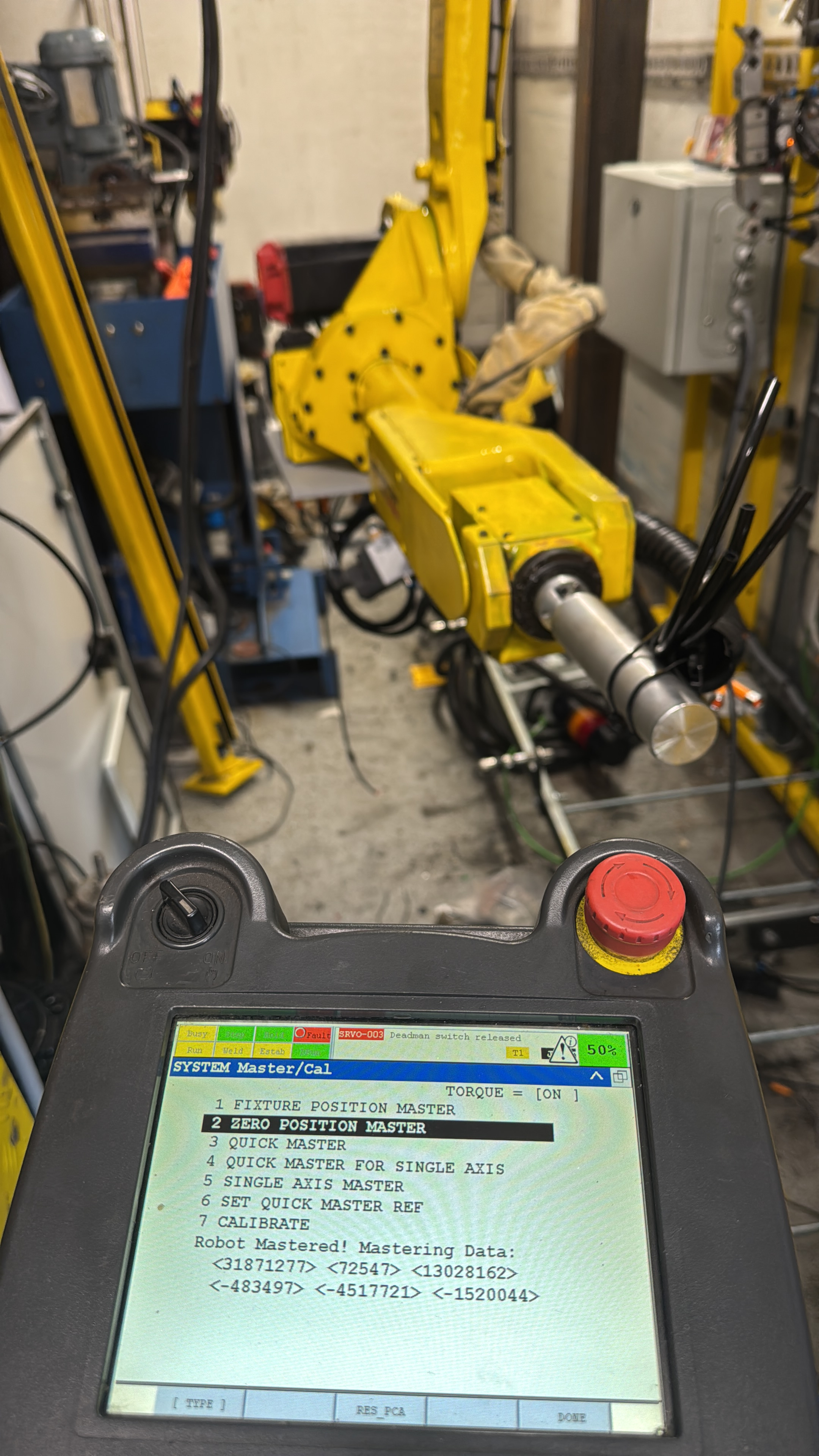
Training built by the engineer who commissioned the system you are learning on.
Every time a machine stops and the only person who can restart it is an OEM engineer three days away, that is a gap in internal capability — and a cost that compounds over the life of the machine. The goal of every training engagement I run is to close that gap.
Two groups. Different motivations. Same outcome: internal capability.
Maintenance teams and internal engineering departments who want to self-service their own machines. The OEM installed it, the OEM commissioned it, and now every fault or modification requires an OEM callout at OEM day rates. Training that builds real diagnostic and programming capability pays for itself the first time the team solves a problem without picking up the phone.
OEM engineering teams who need to get up to speed with newer hardware or want a structured seminar on how emerging technology integrates with their existing product range. Less about fault-finding and more about understanding what is now possible — which platforms to specify, how newer drive and control systems differ from what they have been working with, and where the integration points are.
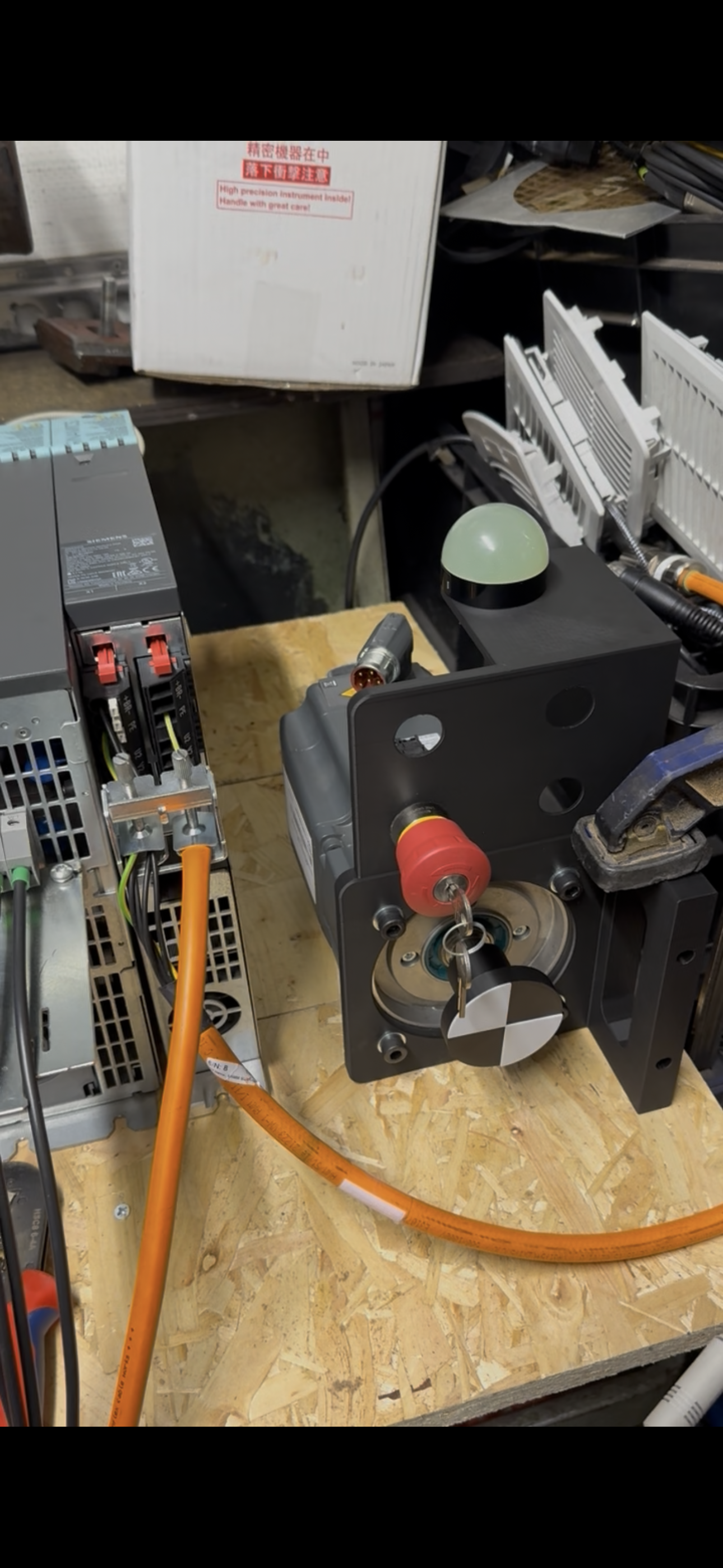
Signs you need the first type
- Your team calls the OEM for faults they should be able to diagnose
- Nobody on site has programming access to the machines they maintain
- A key engineer is leaving and their knowledge walks out with them
- You are taking on new machines and need the team ready before commissioning
Signs you need the second type
- Your engineers are experienced but the hardware generation has moved on
- A customer is specifying technology your team has not worked with before
- You want a structured half-day on how a new platform integrates with your existing architecture
- You need to evaluate a platform honestly before committing to it in a product
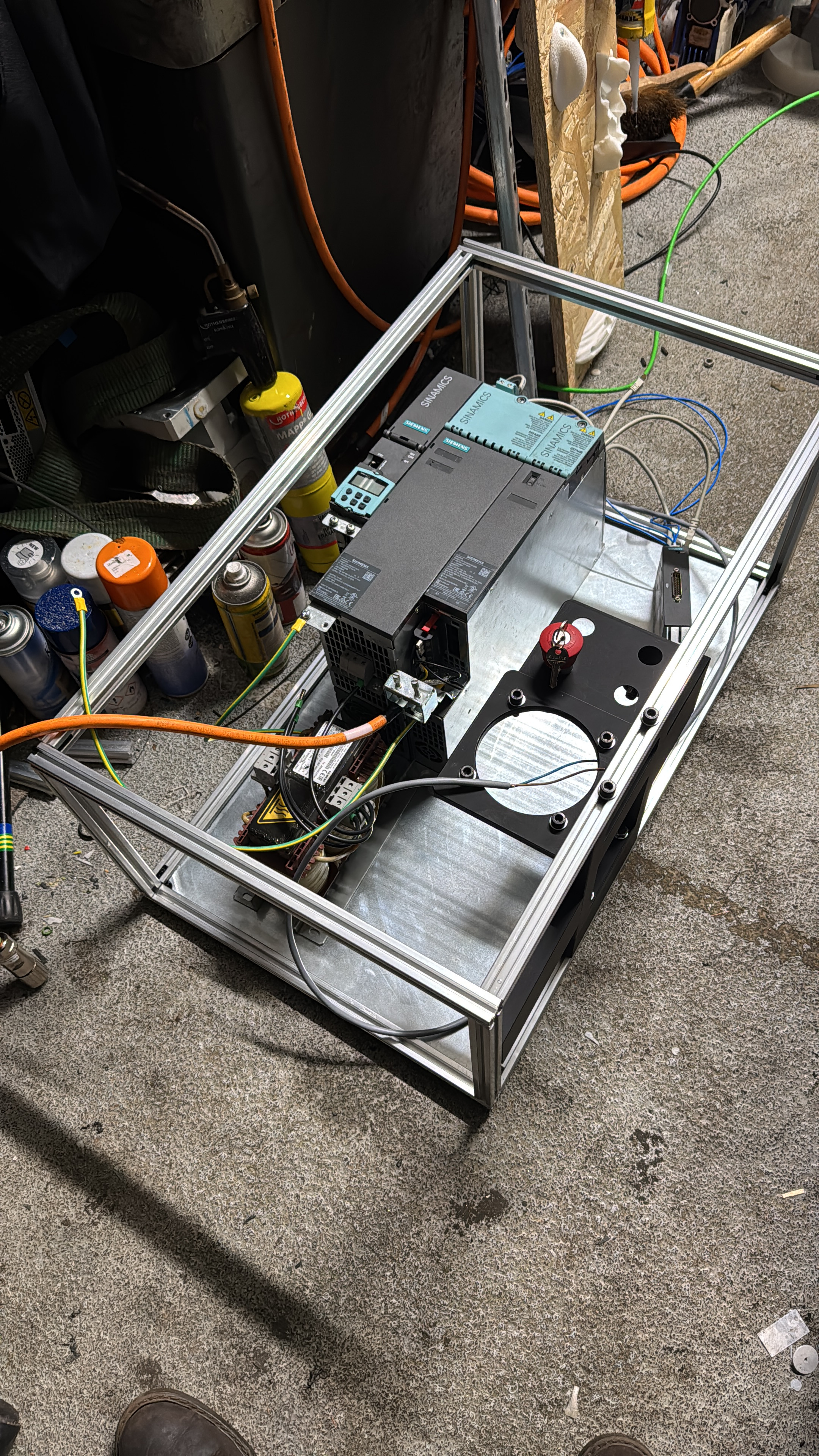
The systems I have designed, commissioned and faulted myself.
PLC programming and diagnostics: structured programming practice, alarm and fault logic, and the diagnostic approach that actually helps you find a problem on a running machine. Platforms include Siemens S7 (TIA Portal), Allen-Bradley, and TRIO. The emphasis is on understanding what the code is doing, not just following a procedure.
Siemens motion control: S120 and S210 systems — drive bring-up, axis configuration, parameter structure and fault diagnosis. Particularly useful for teams who have inherited a Siemens motion system and need to work on it without calling the drive manufacturer.
FANUC robotics: from operator-level familiarity through to integration-level programming, handshake logic and fault recovery. We run two FANUC robots in our own automation cell, so training can happen on our hardware rather than on your production machine.
Commissioning practice: the structured approach to bringing a system up safely — IO checkout, enable chain validation, motion bring-up, fault reproduction, and handover documentation. Useful for engineers who can program but have not been through a full commissioning process.
Technology seminars for OEM teams
- How current Siemens drive and motion platforms integrate with existing machine architectures
- FANUC platform overview — what has changed, what the integration implications are
- IO-Link and modern field device networks — where they add value and where they do not
- Safety architecture — how safety PLCs, drive-integrated safety, and area scanners interact
- Half-day or full-day format, on-site or at our facility
Training on our hardware
Because we run Siemens S120 hardware and two FANUC robots in our own automation cell, training does not have to happen on your machines. This matters most when the machine is in production and cannot be stopped for learning, or when you want a team to make mistakes in a safe environment before they touch live equipment.
A second opinion before a problem becomes expensive.
Alongside training, consultancy covers situations where you do not need an engineer on-site — you need an informed view on a decision you are about to make, or a problem you cannot quite resolve.
Design review: looking at a specification or control architecture before it goes to build and flagging anything that will cause problems later. System audit: a structured review of an existing installation — what it is doing, what it should be doing, and what the gap is. Specification writing: helping you write a control system specification that a vendor can actually build to and that you can hold them to. Pre-commissioning review: a check before a machine goes live that the control logic and safety systems are doing what is intended.
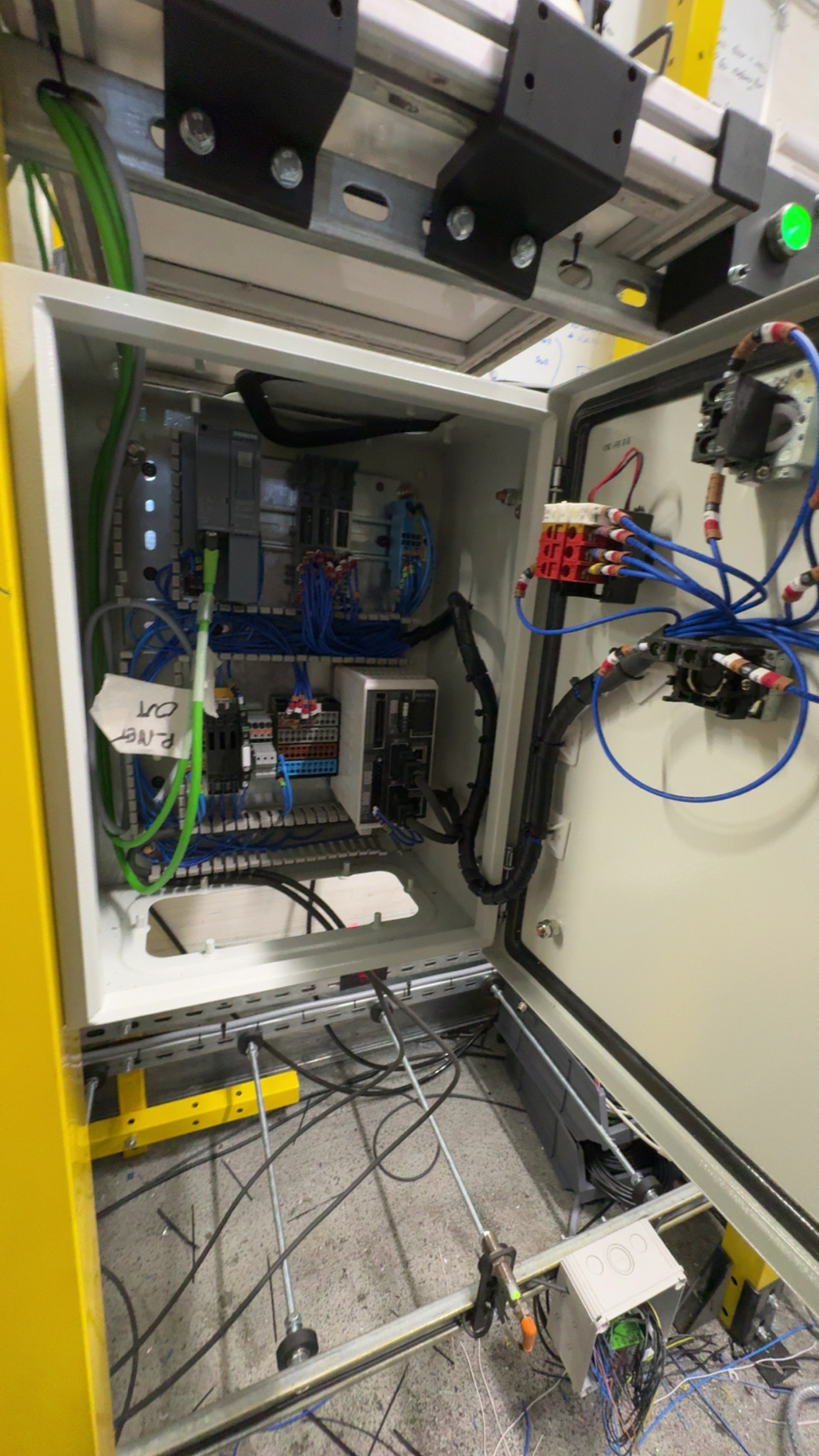
What consultancy typically uncovers
- Architecture decisions that look fine on paper but cause problems during commissioning
- Safety chain designs that do not match the actual risk assessment
- Vendor specifications that are ambiguous enough to become disputes
- Software structures that will be unmaintainable twelve months after handover
International availability
Training and consultancy engagements are available on-site internationally. Remote sessions — theory, parameter review, code walkthroughs — remove geography from the equation entirely for the right topics.
Tell me what your team needs to be able to do
Describe the system, the current capability level, and the outcome you need. I will tell you what format makes sense and what a realistic result looks like.