George Pickering
Controls • Motion • Robotics • Stage Engineering
Services • Scarborough, UK • Worldwide

Engineering delivered properly. Not just running — supported.

Five focused service areas covering the full range of industrial and stage automation work: re-controls, Siemens motion, FANUC robotics, stage automation design, and engineering training.

How it’s priced Quoted per project. Scope, travel, access windows, hardware and safety requirements all shape the cost.
Primary outcome Systems that run reliably, can be diagnosed by your team, and supported without calling the OEM every time.
Typical scope Electrical, controls, software and commissioning together — not disconnected fixes passed between contractors.
Best first step A short brief describing the machine, the platform, the problem, and when it needs to be resolved.

Find the right service

Five areas of work, each with a dedicated page covering full scope, project examples, platforms, and how to engage.

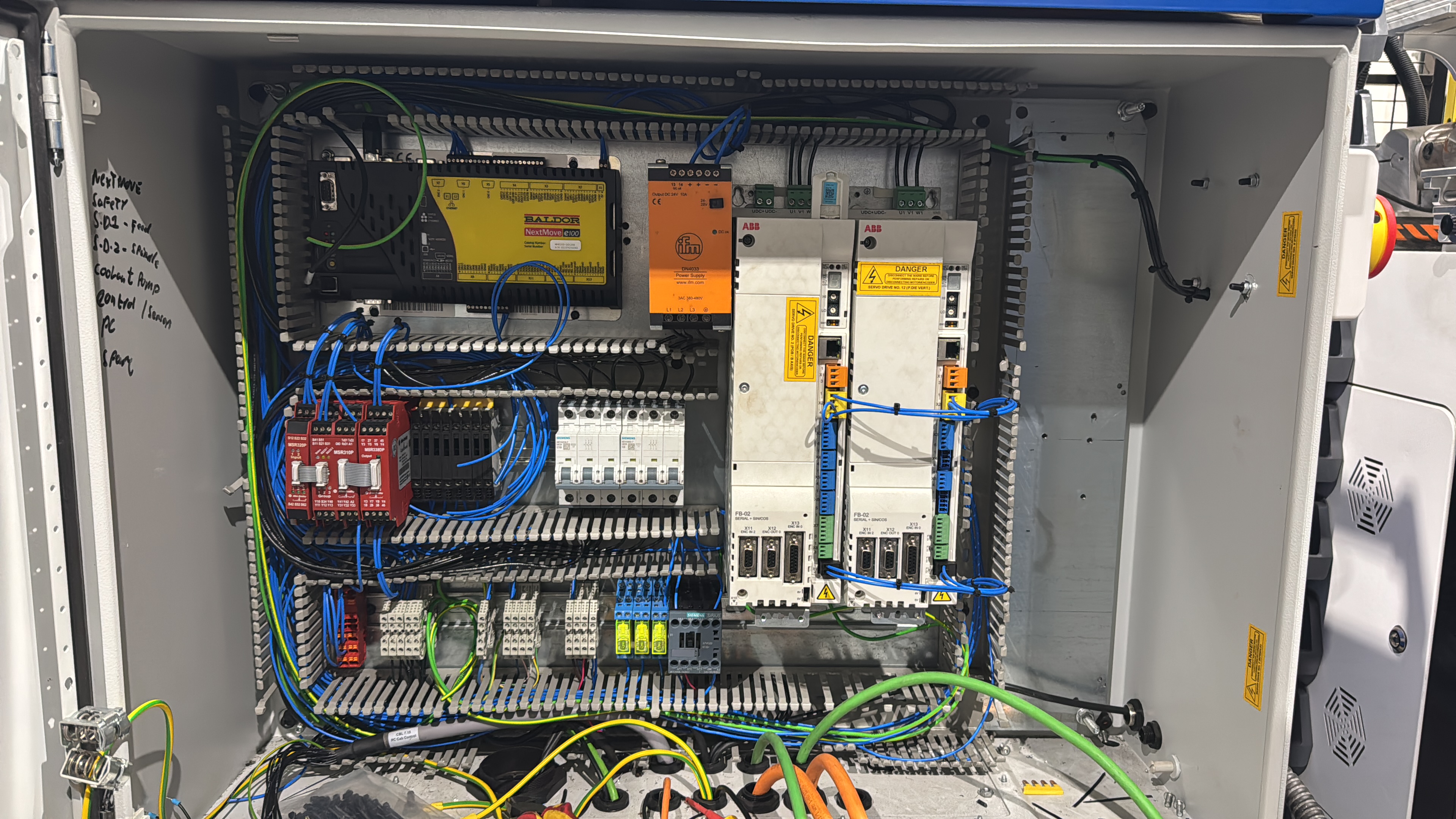
Re-control panel build
Re-controls / retrofits

Keep the mechanics you trust. Replace the controls you do not.

For ageing or unsupported equipment: PLC, HMI, drives, safety and wiring treated as one scoped engineering package. The aim is not only to get the machine running again — it is to leave it in a state the next engineer can follow and maintain.

Siemens / Allen-Bradley / TRIO
Safety + enable chain
Operator diagnostics
Handover pack
Full scope, project examples & how to engage →

Typical deliverables

  • Architecture and IO plan aligned to devices, terminals, cables and naming
  • Panel build or rebuild with wiring layout and safety / enable chain design
  • PLC structure with clear interlocks, sequences, recovery and alarm handling
  • Operator-focused HMI screens with useful diagnostics
  • Commissioning notes, acceptance checks and a handover pack that stays useful

Platforms & scope notes

Preferred platforms are Siemens S7 (TIA Portal), Allen-Bradley and TRIO. Other platforms can be accommodated — cost and timeline implications stated upfront.

Minor mechanical changes — brackets, sensor mounts, tooling — can sit inside the same package. Larger redesign supported alongside partners where required.

See related project work →

Commissioning / integration

Bring-up support for new builds and brownfield systems.

On-site work structured around proving the machine safely and methodically: IO validation, known-good states, motion readiness, recoverability and clear documentation of what changed and why.

This includes the hard part most teams struggle with under time pressure: reproducing faults, proving the real cause, and leaving the software and documentation in a cleaner state than before.

IO checkout
Safety validation
Motion bring-up
Acceptance checks
Commissioning and bring-up work

What happens on site

  • Structured IO checkout and sensor / actuator validation
  • Enable chain confirmation and proof of safe states
  • Motion tuning and test sequences where applicable
  • Fault reproduction and root-cause diagnostics
  • Operator usability passes and handover preparation

Outputs you keep

  • Commissioning notes showing what changed and how it was tested
  • Acceptance checklist aligned to operations and safety behaviour
  • Known-good backups and version notes
  • Recommended spares and maintenance actions
Stage engineering and live environment
Stage automation • CinePath

Motion systems designed for performers, operators, and tonight’s show.

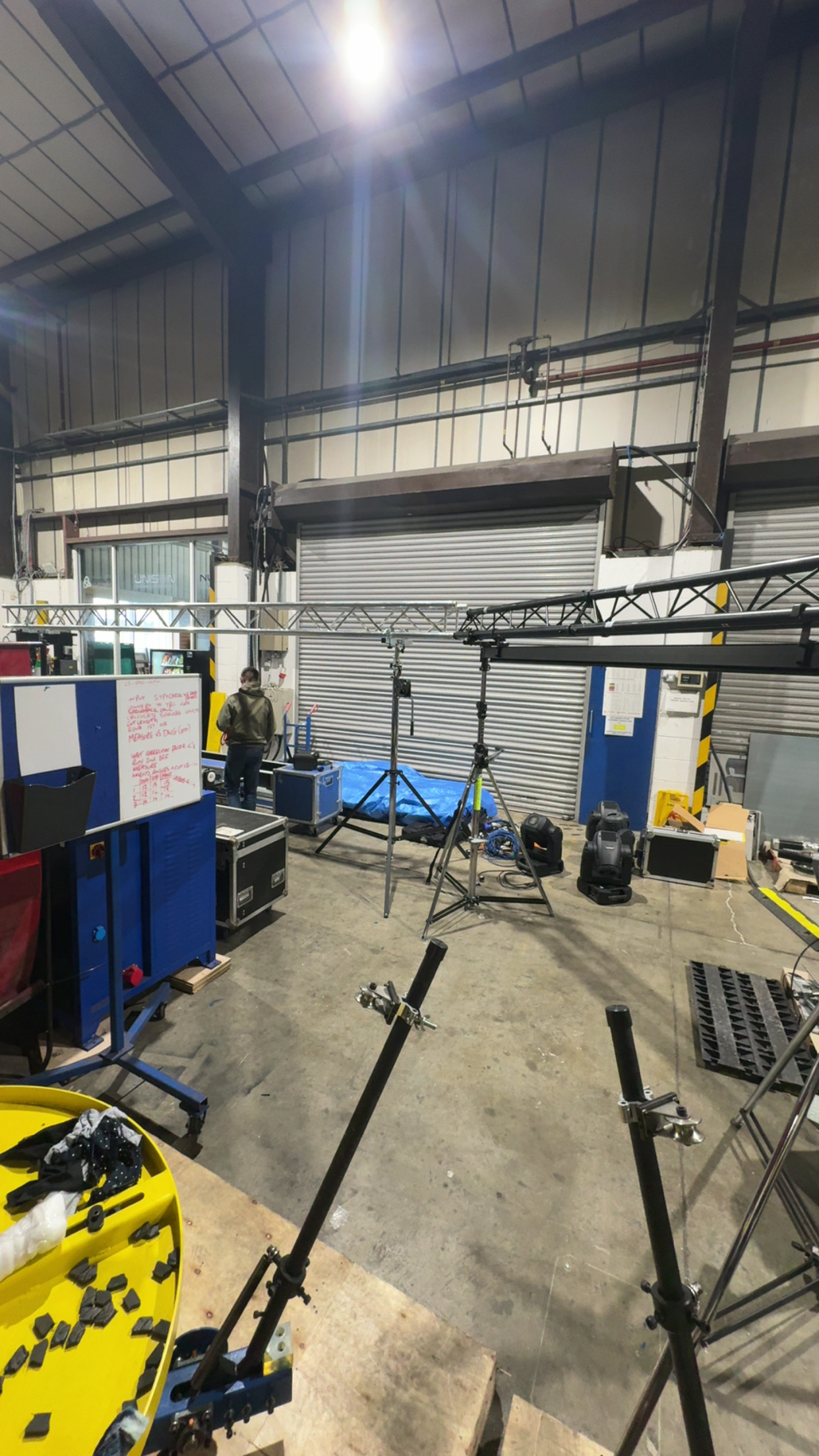
Stage automation is not industrial automation in a theatre. The risk environment, the operators, and the consequences of failure are all different. CinePath systems are designed around that reality: laser scanner presence detection as standard, ArtNet and GrandMA console integration, and fly rig safety systems that preserve manual operation while removing the most dangerous failure modes.

Laser presence detection
ArtNet / MA integration
Fly rig safety systems
Cue light systems
Full CinePath service detail →
Training & consultancy

Training built by the engineer who commissioned the system you are learning on.

For maintenance teams who want to self-service their own machines, and OEM engineering teams who need to get up to speed with newer hardware. On-site, at our workshop using our own FANUC robots and S120 demo rig, or remote.

Consultancy covers design review, system audit, specification writing and pre-commissioning check — without needing an engineer on-site for the full job.

PLC / TIA Portal
Siemens S120 motion
FANUC robotics
Commissioning practice
Full training & consultancy detail →
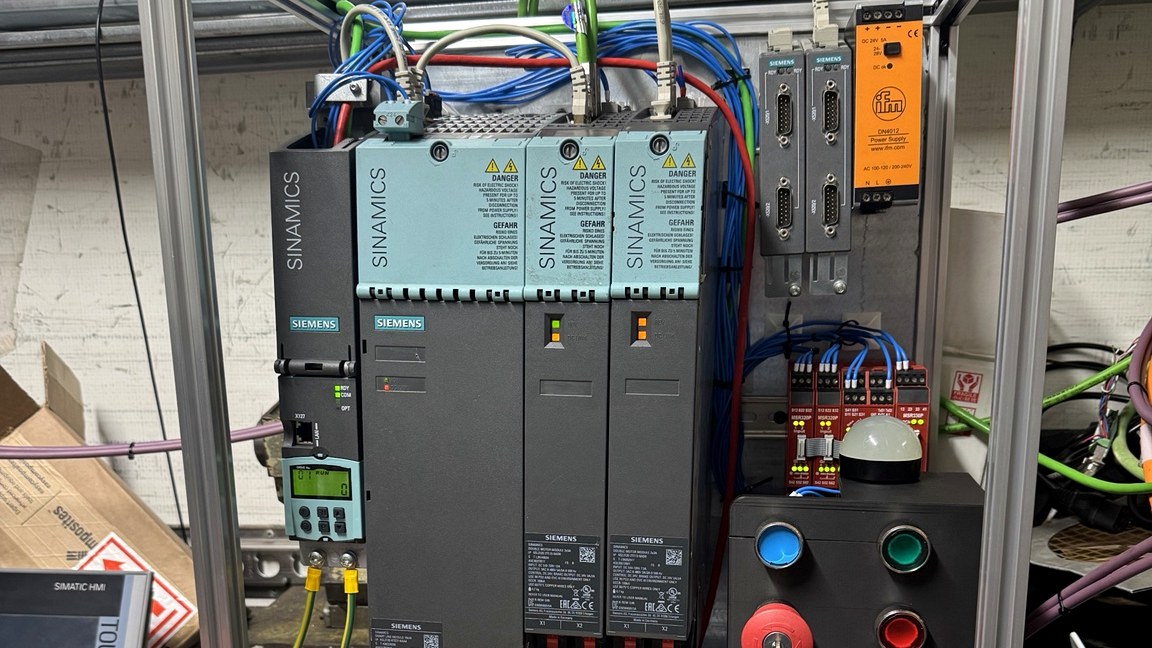
Training demo case hardware
How engagements run

Scoped, structured and delivered. No mystery states, no open-ended day rates.

Most work follows the same pattern: discovery, design and build off-site where possible, structured on-site commissioning, and a handover pack. That keeps decisions visible and reduces the chance of hidden behaviour appearing late under pressure.

1) Discovery

Constraints, drawings, access windows, safety requirements, and what “done” actually means to you.

2) Design

IO plan, enable philosophy, software structure, architecture and documentation approach defined before build starts.

3) Build + test

Panel, wiring and software build plus bench checks where possible — reducing on-site time and downtime risk.

4) Commission + handover

Structured bring-up, acceptance checks, backups, and a handover pack the next engineer can actually use.

See how it looks in practice

Projects, portfolio and training pages show the same service areas in real application.

Next step

Send a short brief — machine, problem, timeline, and target hardware.

The fastest way to start is a concise summary: what the machine or project needs to do, what currently blocks it, and when the work needs to happen. That makes it straightforward to define next steps and quote accurately without avoidable back-and-forth.

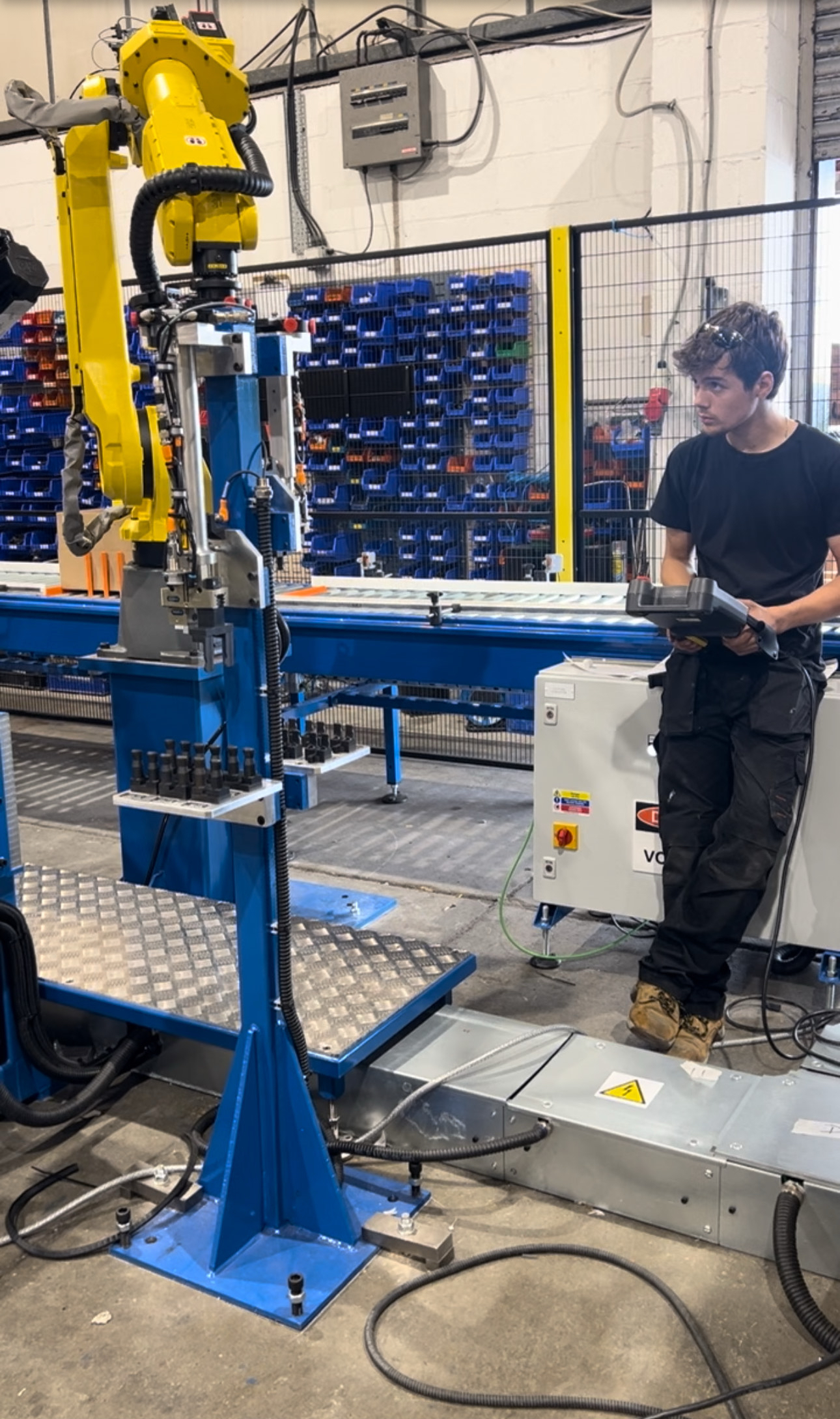
Completed automated packing line outcome