George Pickering
Controls • Motion • Robotics • Stage Engineering
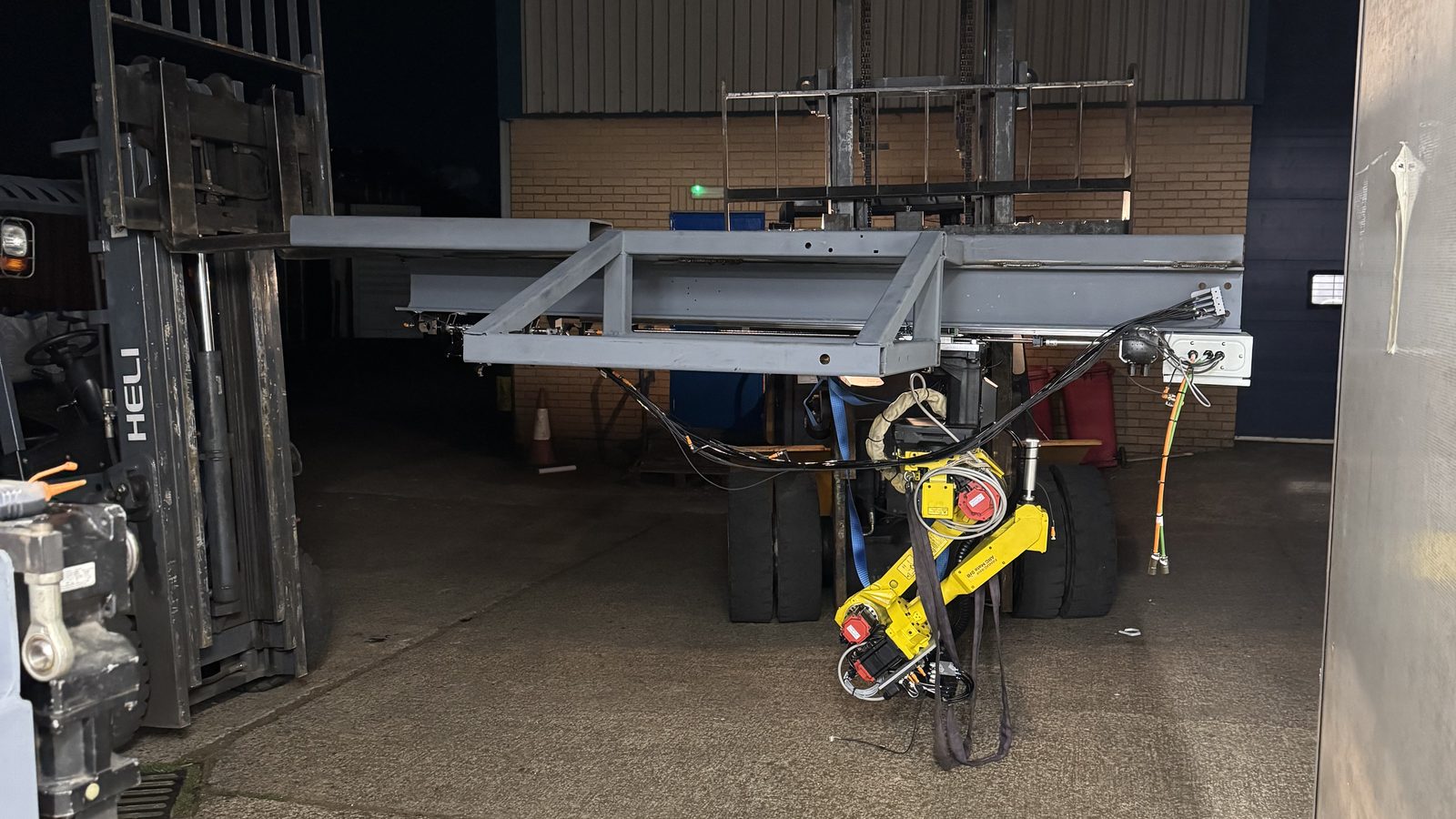
Wind tunnel development platform
Projects • Case studies • Scarborough, UK • Worldwide

Case studies with the real engineering left in.

These pages are not meant to flatten projects into vague marketing summaries. They are there to show what mattered: constraints, architecture choices, commissioning method, recovery logic, instrumentation, handover quality and the decisions that made the outcome supportable.

Focus Constraints, design decisions, commissioning method and supportable outcomes.
Typical mix Mechanical awareness, electrical design, controls logic and practical site behaviour together.
Best value Showing the logic behind the work, not just the finished machine photo.
Use case Helpful for clients, partners and engineers trying to understand how projects are approached.

How these write-ups are structured

The useful part of a case study is nearly always the path through the problem, not the polished endpoint. That is why these pages are organised around the same practical questions each time.

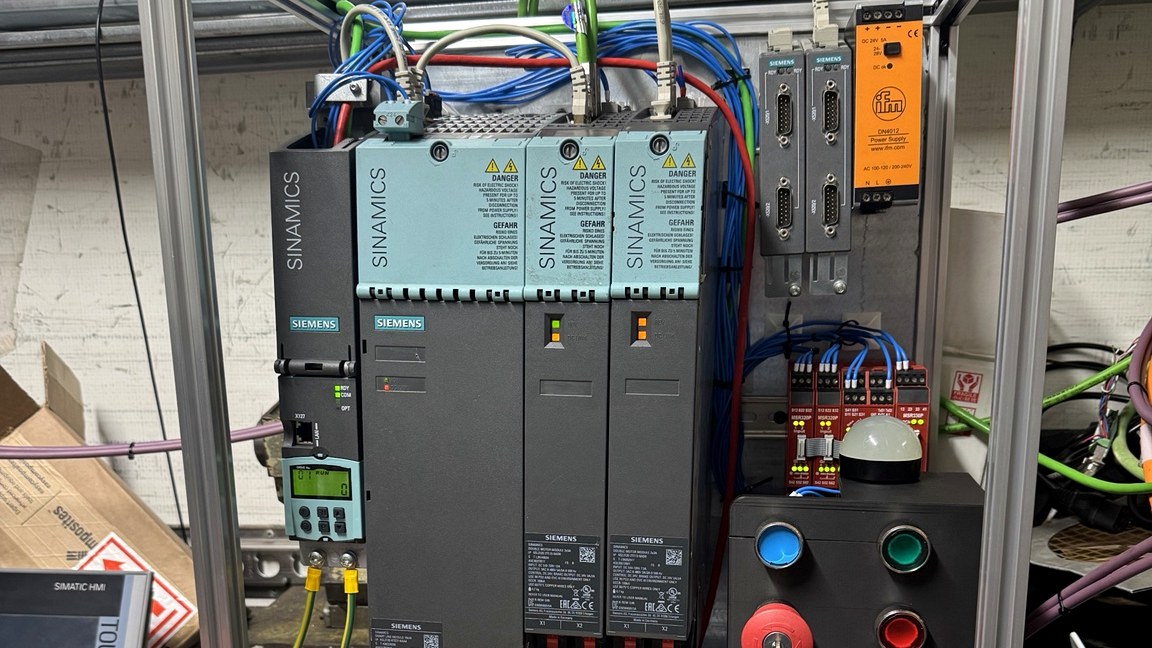
Commissioning and build workflow
Reading pattern

A consistent format so engineers can scan fast and still get the right detail.

Every case study is intended to work under time pressure. The important information appears first: what the system had to do, what could not change, what approach was chosen, and how the machine or rig was brought into a usable, supportable state.

That means less generic marketing language and more practical content: interfaces, enable behaviour, diagnostics logic, commissioning order, acceptance criteria and the quality of the handover position.

Fast to scan
Decision logic
Useful detail
Support mindset

Constraints

What could not change, what introduced risk, and what defined success for the build, retrofit or training platform.

  • Legacy hardware or unsupported control systems
  • Mechanical access, site windows or delivery pressure
  • Safety, support and documentation limitations

Design decisions

Architecture choices around wiring, control philosophy, safety, sequencing and instrumentation, with reasons that survive scrutiny.

  • Control structure and device allocation
  • Alarm and operator behaviour
  • Choices that reduced long-term support friction

Commissioning & handover

Bring-up flow, proving sequence, acceptance checks and the support documentation that turned the work into a usable outcome.

  • Known-good states and test order
  • Backups, notes and changes recorded clearly
  • A handover position future engineers can actually use

Project themes

The same core concerns show up again and again, even when the machines and sectors are different.

Retrofit without chaos

Modernise controls while preserving proven mechanics and avoiding future maintenance confusion.

Bring-up discipline

Methodical IO checks, safe enable validation and first-movement workflow that reduces risk on site.

Operator clarity

Systems that expose useful states and alarms instead of leaving crews to infer what happened.

Documentation that lasts

Backups, notes, IO references and acceptance checks that still help after the original installer has left.

What makes a case study worth reading

Enough detail to understand the engineering judgement.

A useful project page should let a technically literate reader understand why the chosen route made sense. That includes the balance between cost, time, mechanical reality, software structure, safety behaviour, commissioning practicality and the long-term support position.

That is also why these pages avoid naming clients unnecessarily. The engineering is the useful part.

Programming and robotics work

Where to go next

If you want the same capability grouped differently, use the portfolio and services pages. If you already have a machine or brief in mind, the contact page is the fastest way to start.

Enquiries

Have something similar, or something awkward that needs unpicking first?

Send a short brief, your timeline, and any target hardware or restrictions. The first response should focus on scope, assumptions and the most practical next step, not a generic sales reply.

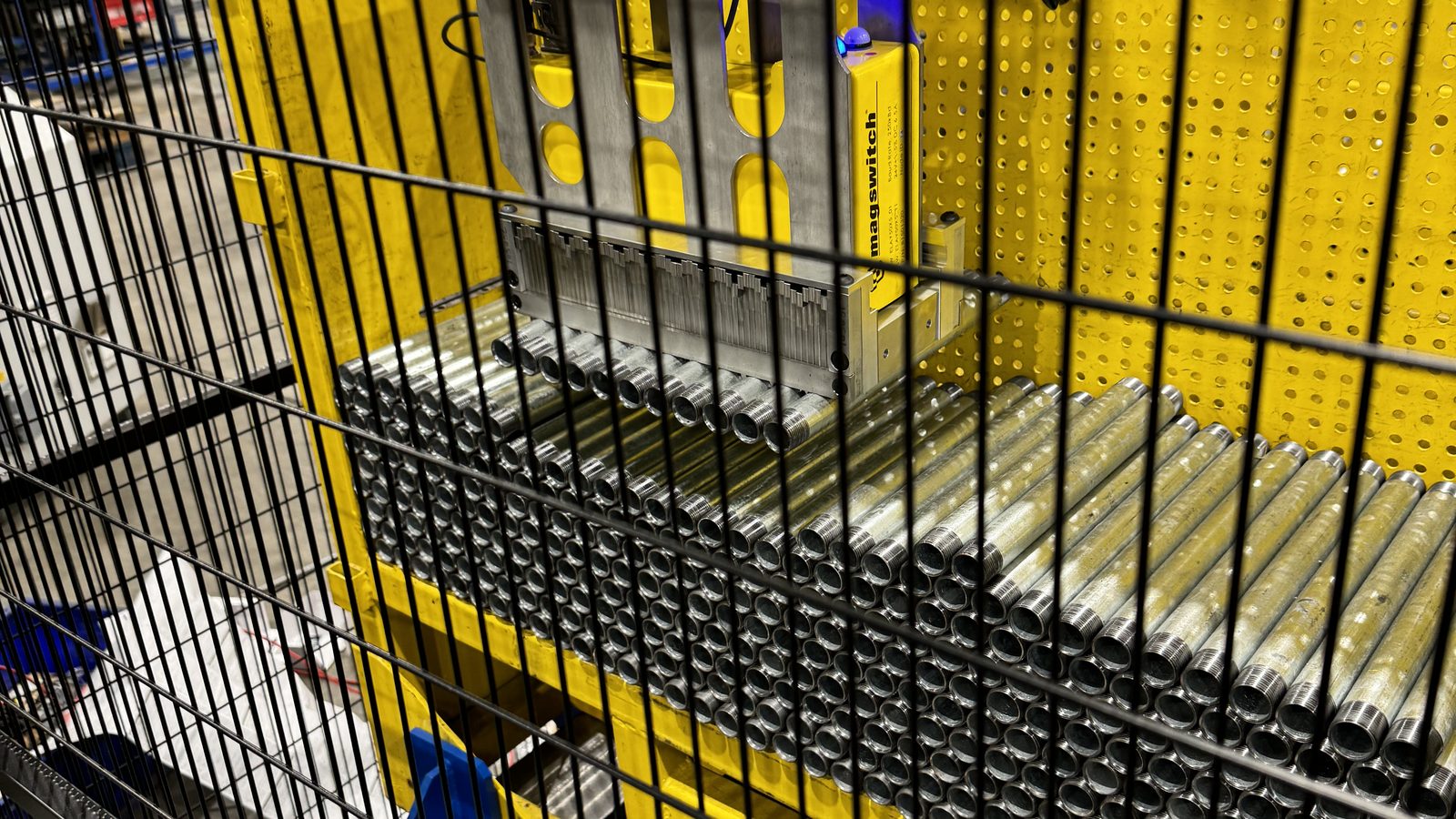
Completed automated process outcome