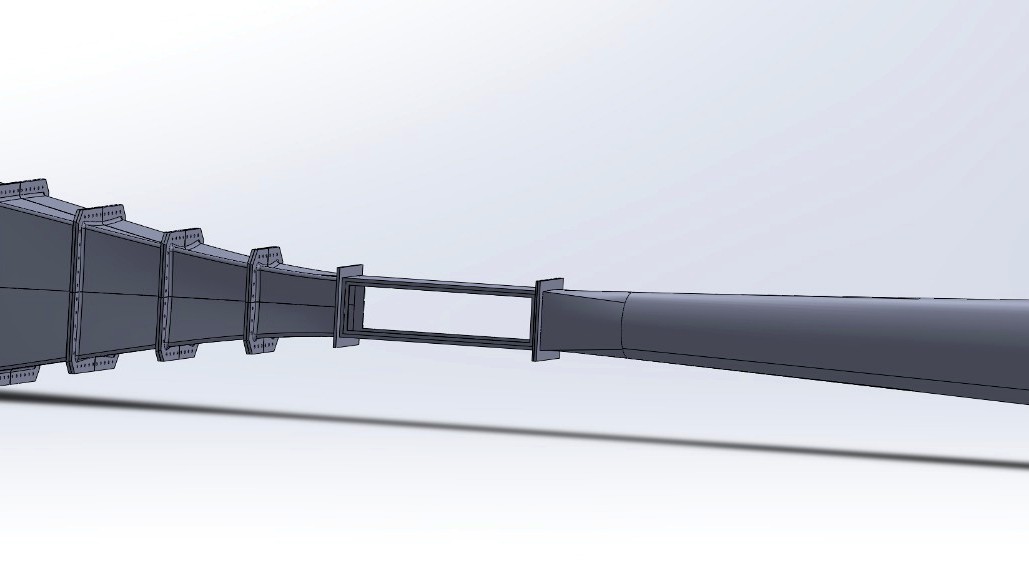
Development note: This platform is in active development. Final measured results will be published only after full instrumentation, calibration and proving are complete. The page covers the engineering method and approach — not finished claims.
Overview
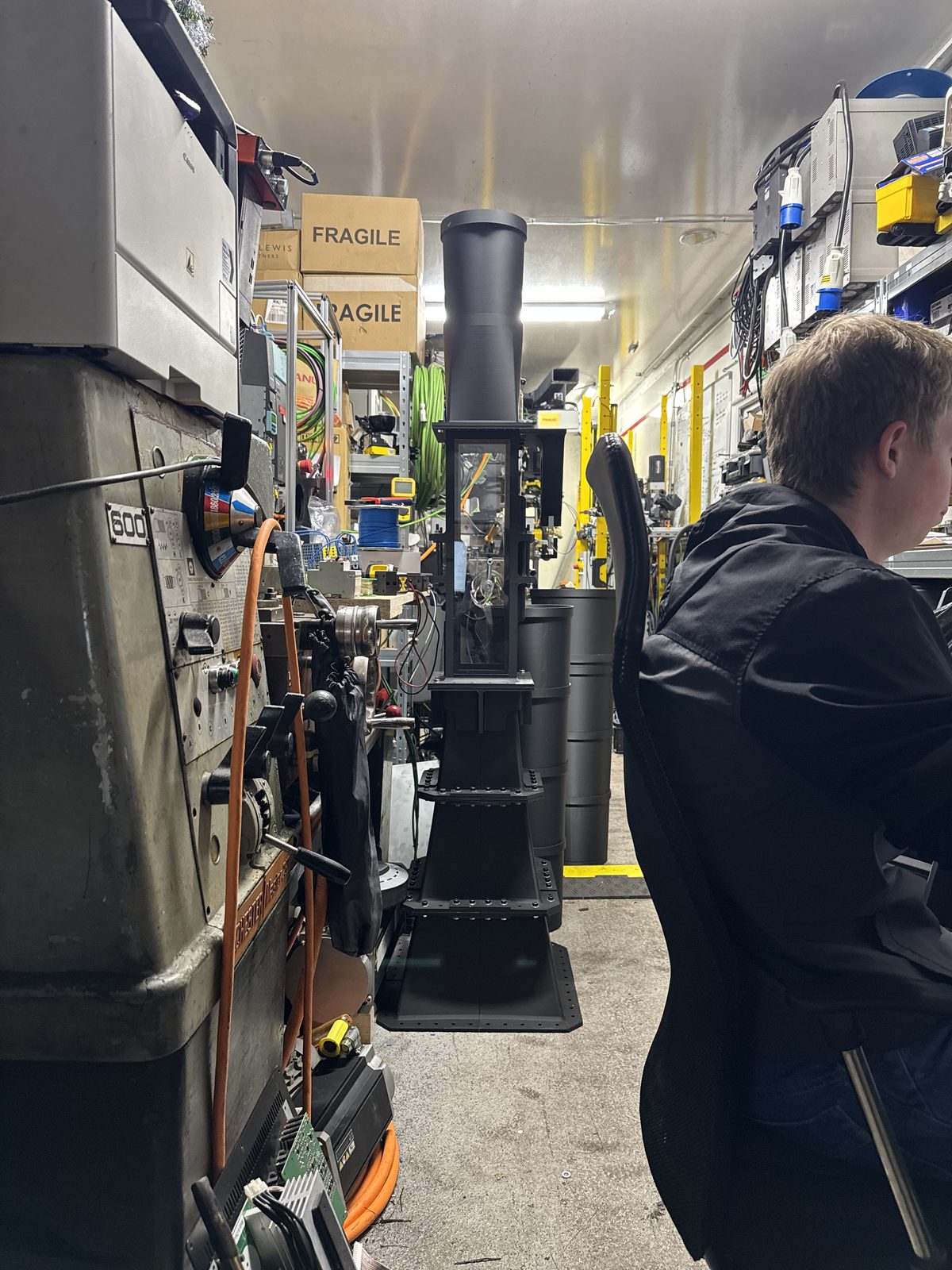
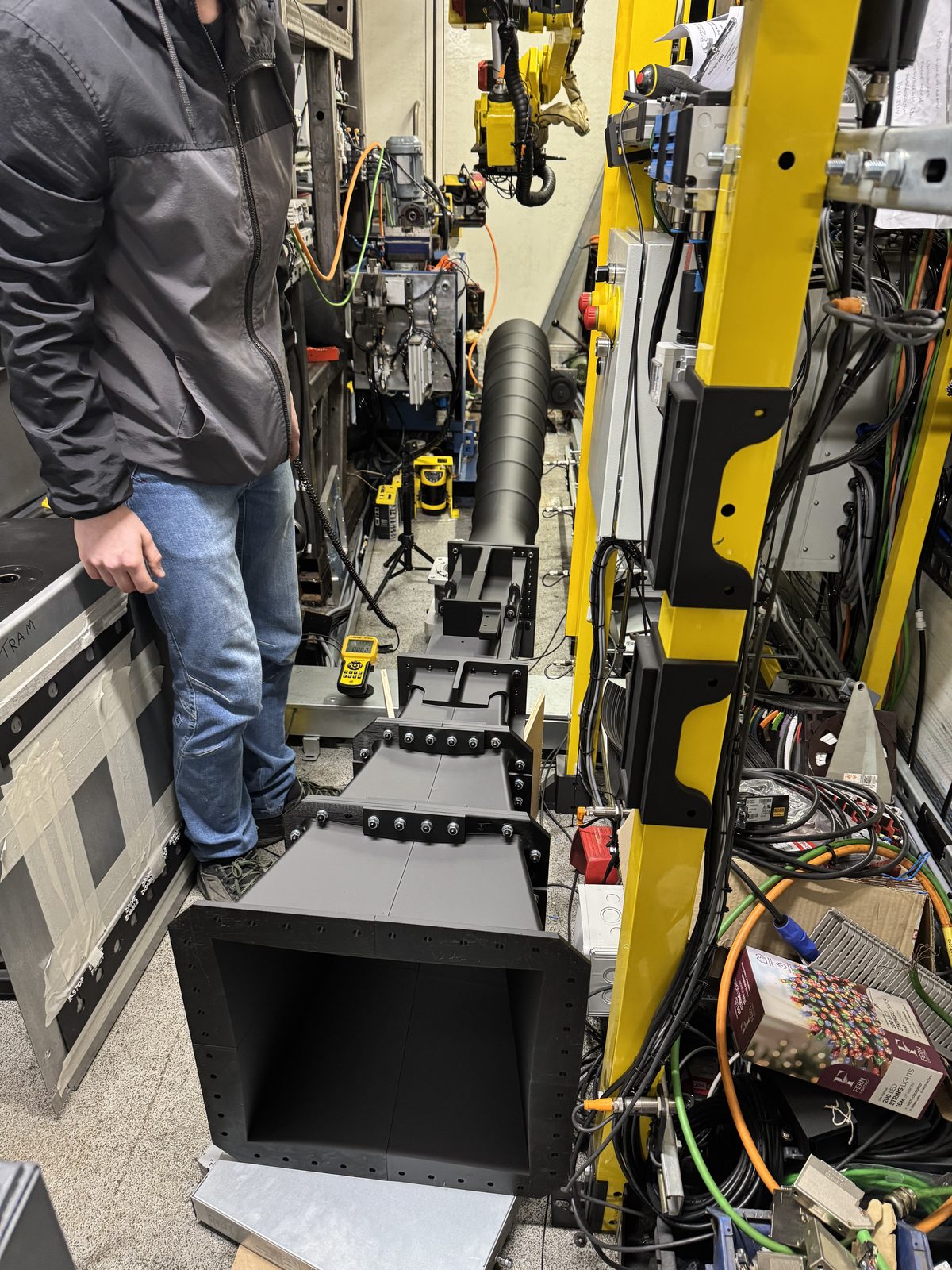
This wind tunnel is being developed as a real engineering platform rather than a headline claim. The target is 60 m/s laminar airflow in the working volume, backed by structured instrumentation, stable control behaviour and a commissioning process that produces trustworthy, comparable data.
The build is still in development, so the page stays focused on the engineering method rather than pretending the final proof is already complete. The objective is straightforward: produce high-speed airflow through a defined working volume and support that with instrumentation, logging and commissioning workflow strong enough to make the resulting data meaningful.
That is what separates a useful test platform from a one-off demonstration.
What makes a wind tunnel useful — not just visually impressive
The hard part is not only moving air quickly. It is creating a test environment where conditions are stable enough, sensors are located intelligently enough and the workflow is disciplined enough that different runs can be compared honestly.
Decide what counts as a valid run before claiming performance.
The platform is being built around stable conditions in the working volume, not just maximum airflow. That means geometry, conditioning and instrumentation all have to support repeatable test conditions.
Measurement is only useful if the signals support real decisions.
Pressure, velocity and temperature signals have to be chosen, mounted and scaled so the tunnel can answer engineering questions clearly rather than just produce noise and disconnected values.
The control layer has to support testing, not distort it.
Stable operating states, clear enables, sensible stop behaviour and logging of state changes matter because a test platform becomes unreliable very quickly if the control layer introduces ambiguity.
Only show results that can be repeated and explained.
Final performance numbers and measured plots will only be published once calibration, validation and repeatability are established. That keeps the platform credible and the results genuinely useful.
Capability areas being developed together
This is a joined-up platform: airflow, measurement, controls and commissioning all have to cooperate for the results to mean anything.
Airflow design
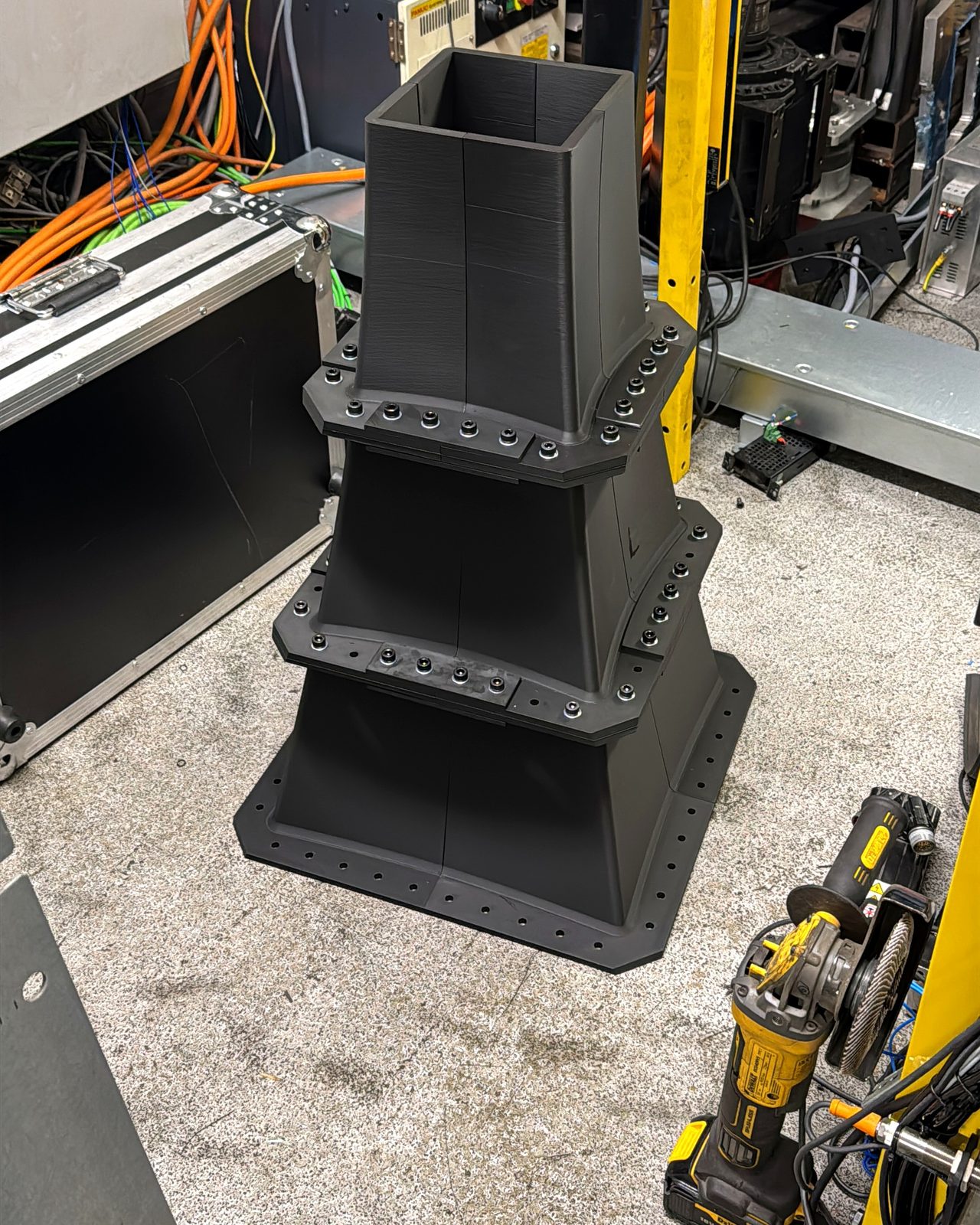
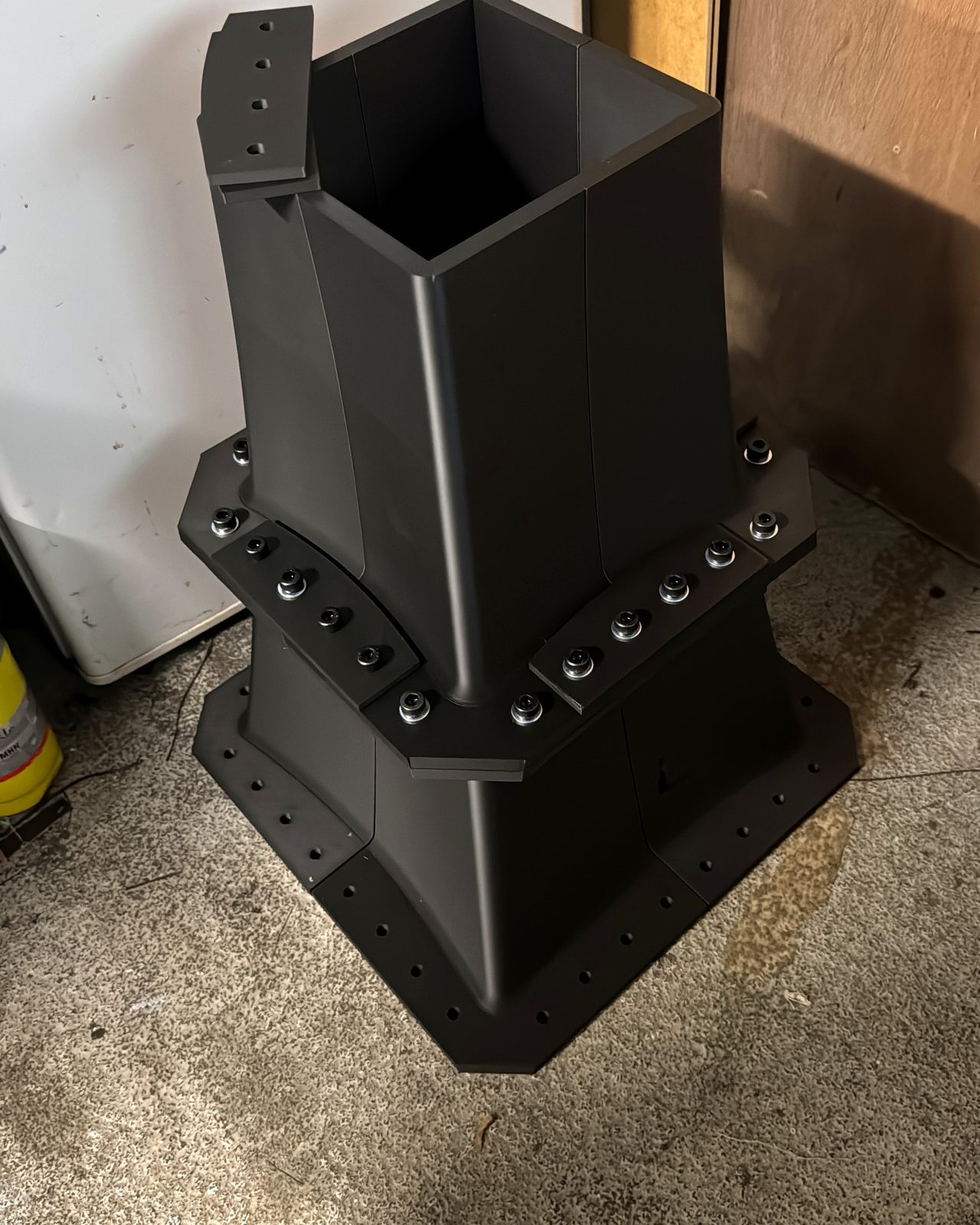
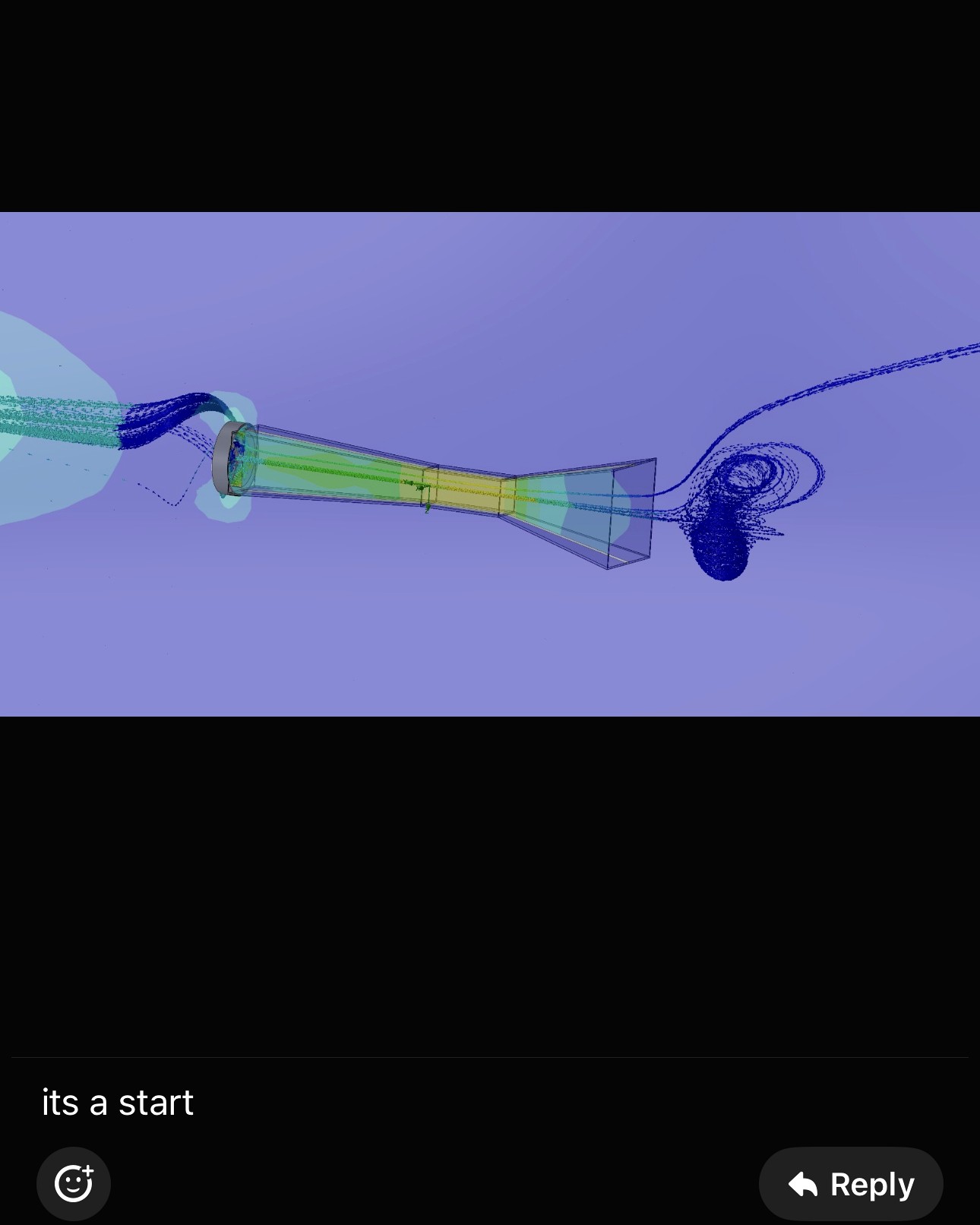
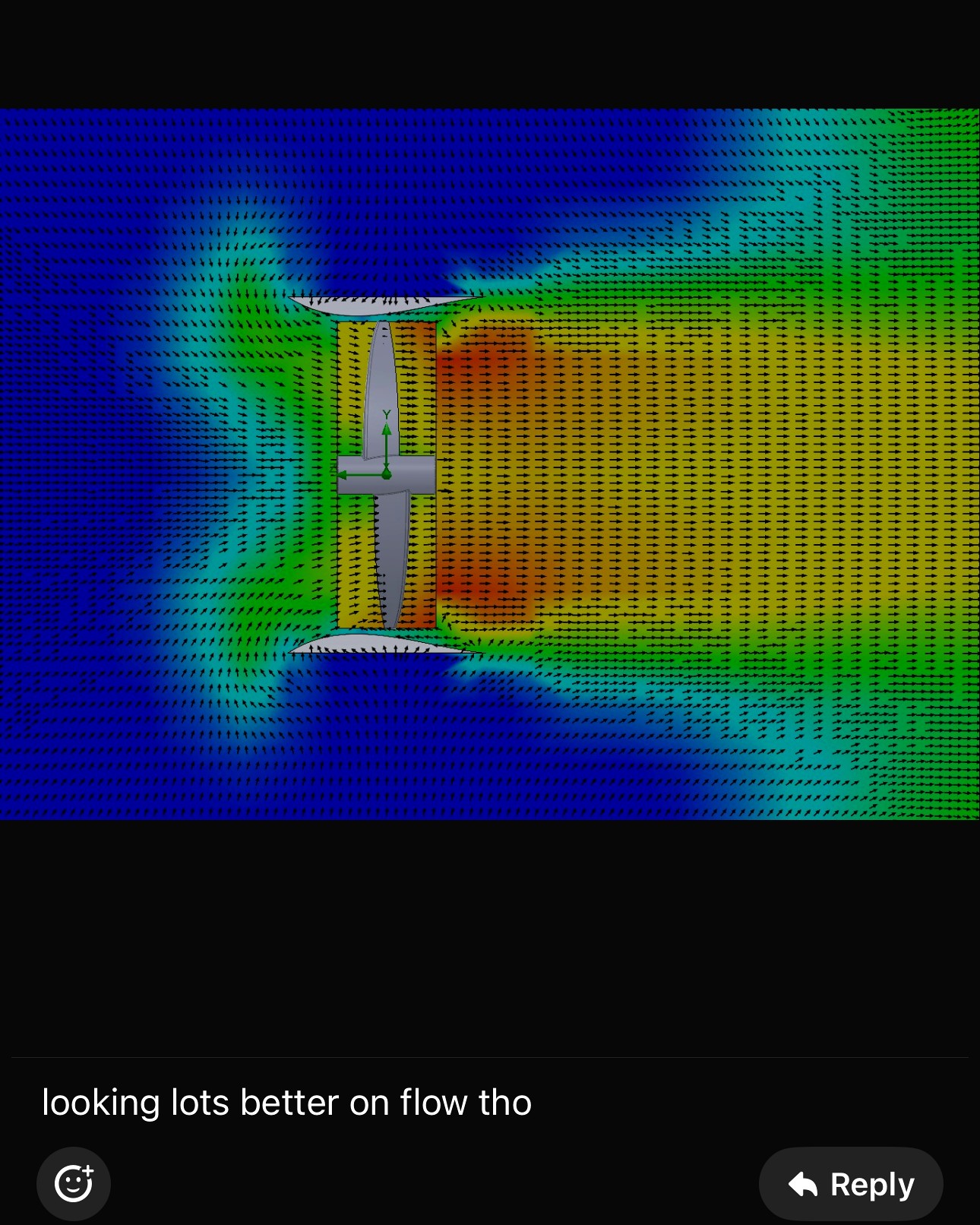
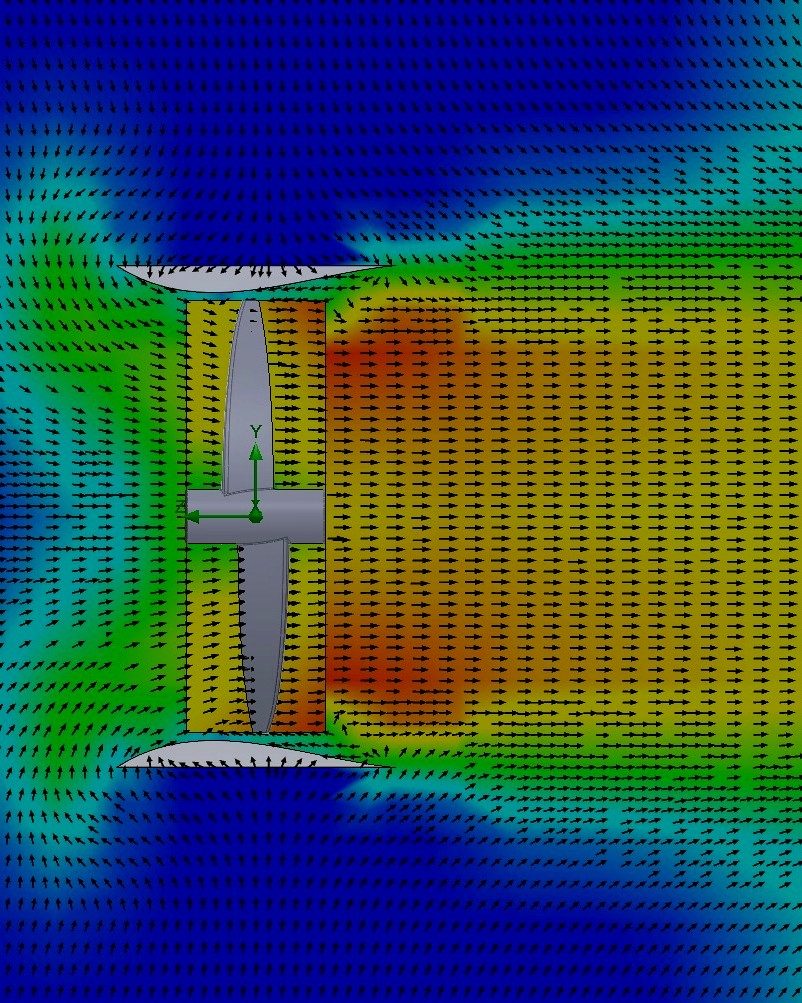
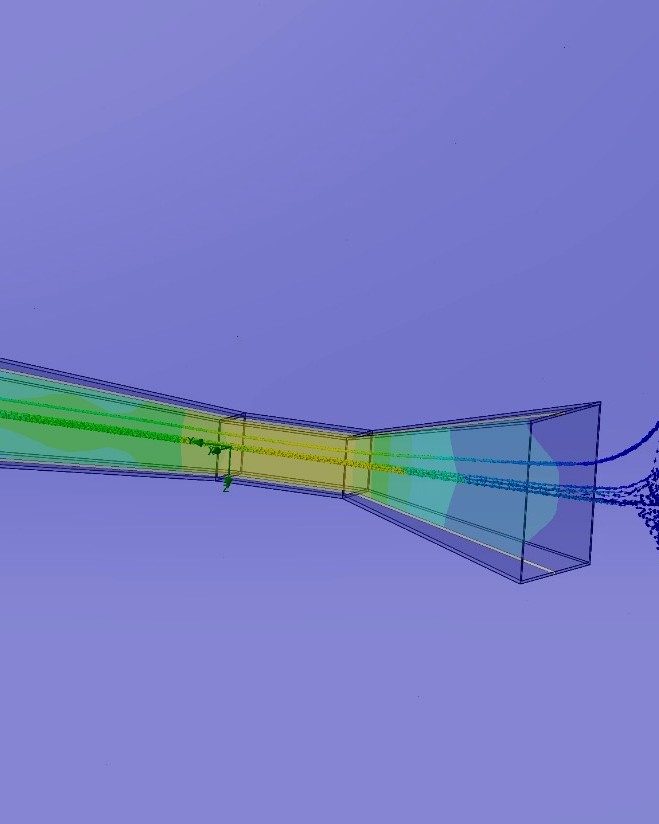
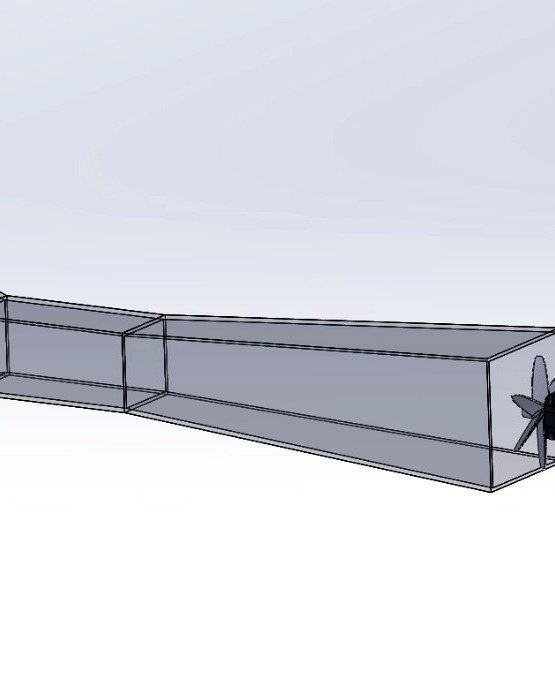
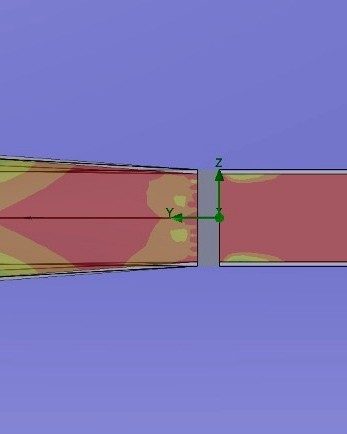
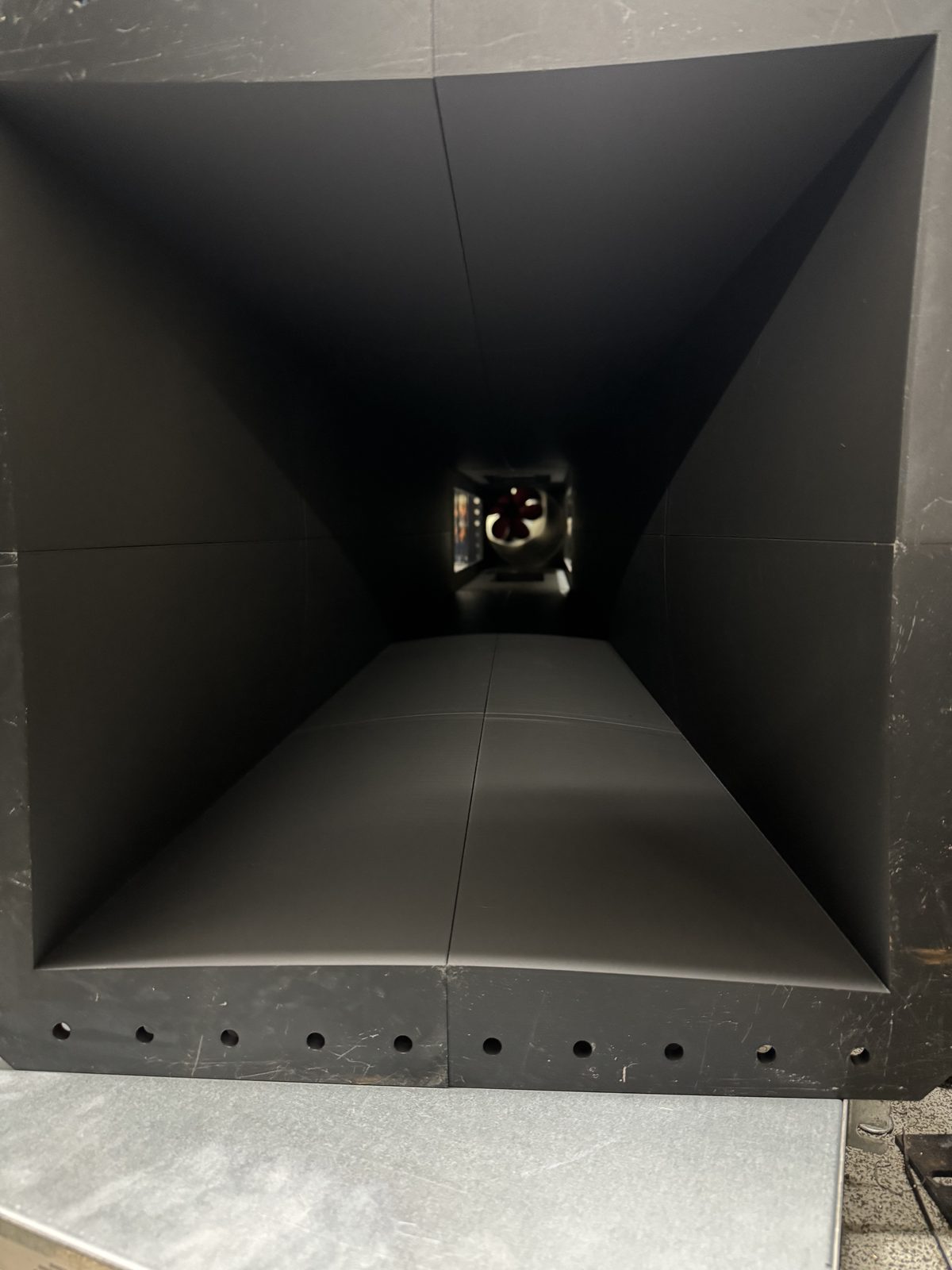
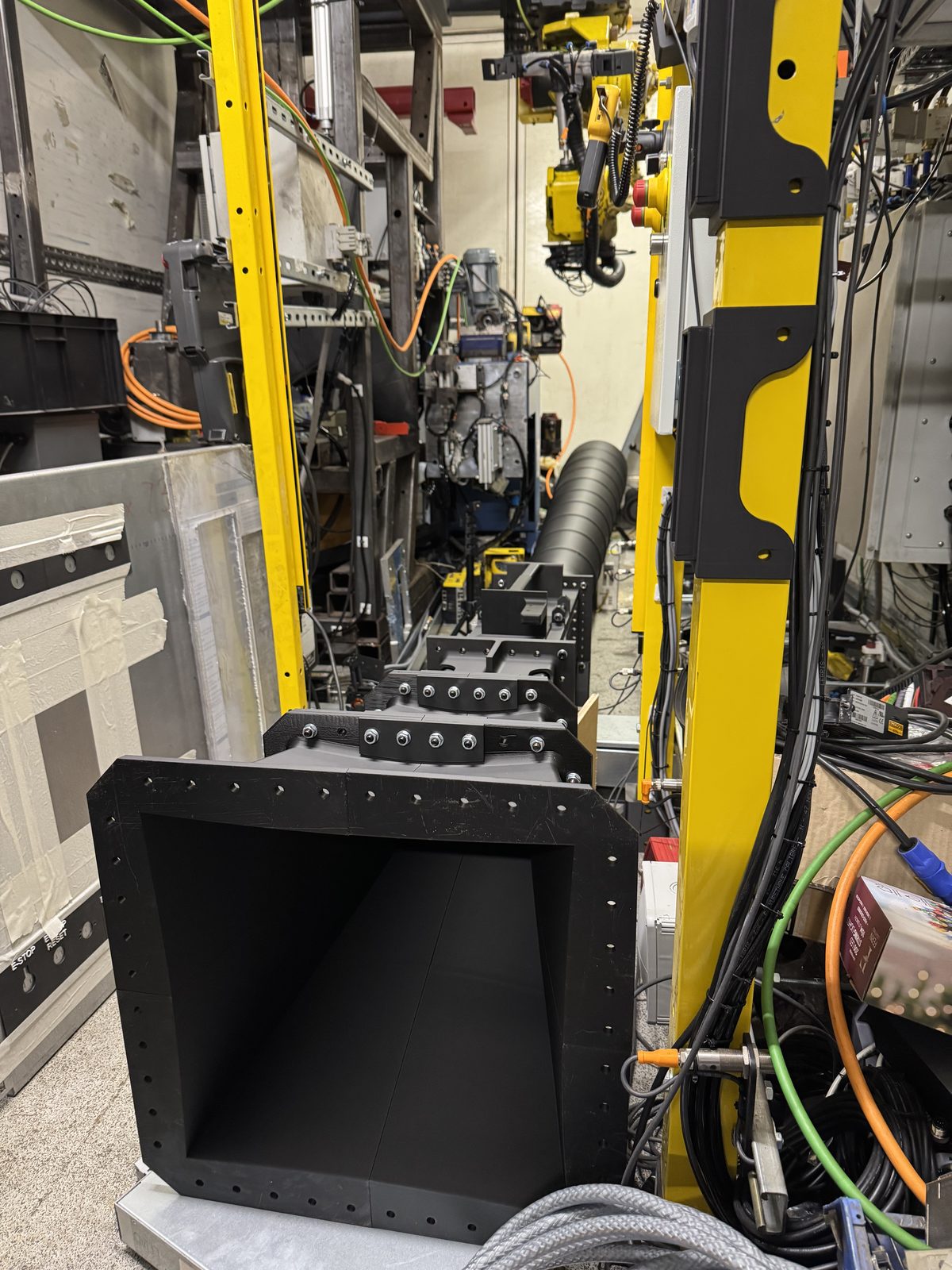
Iterative ducting, conditioning and working-volume geometry aimed at high-speed, low-turbulence performance.
Instrumentation plan
Pressure, velocity and temperature signals selected and located so the data can support real engineering decisions.
Control system
Structured enable, run and stop behaviour suitable for repeated testing rather than one-off demonstration runs.
Data logging
Run conditions, analogue trends and state traces captured in a usable format for comparison between iterations.
What will be published
Target figures only matter if they can be demonstrated consistently. The validation plan is built around repeatable test conditions, stable instrumentation and calibrated reference points — not a single best-case run.
Once commissioning is complete, this page will be updated with measured velocity profiles, working-volume traverses and the calibration record behind them. Until then, the focus stays on engineering method.
Build gallery
Clip