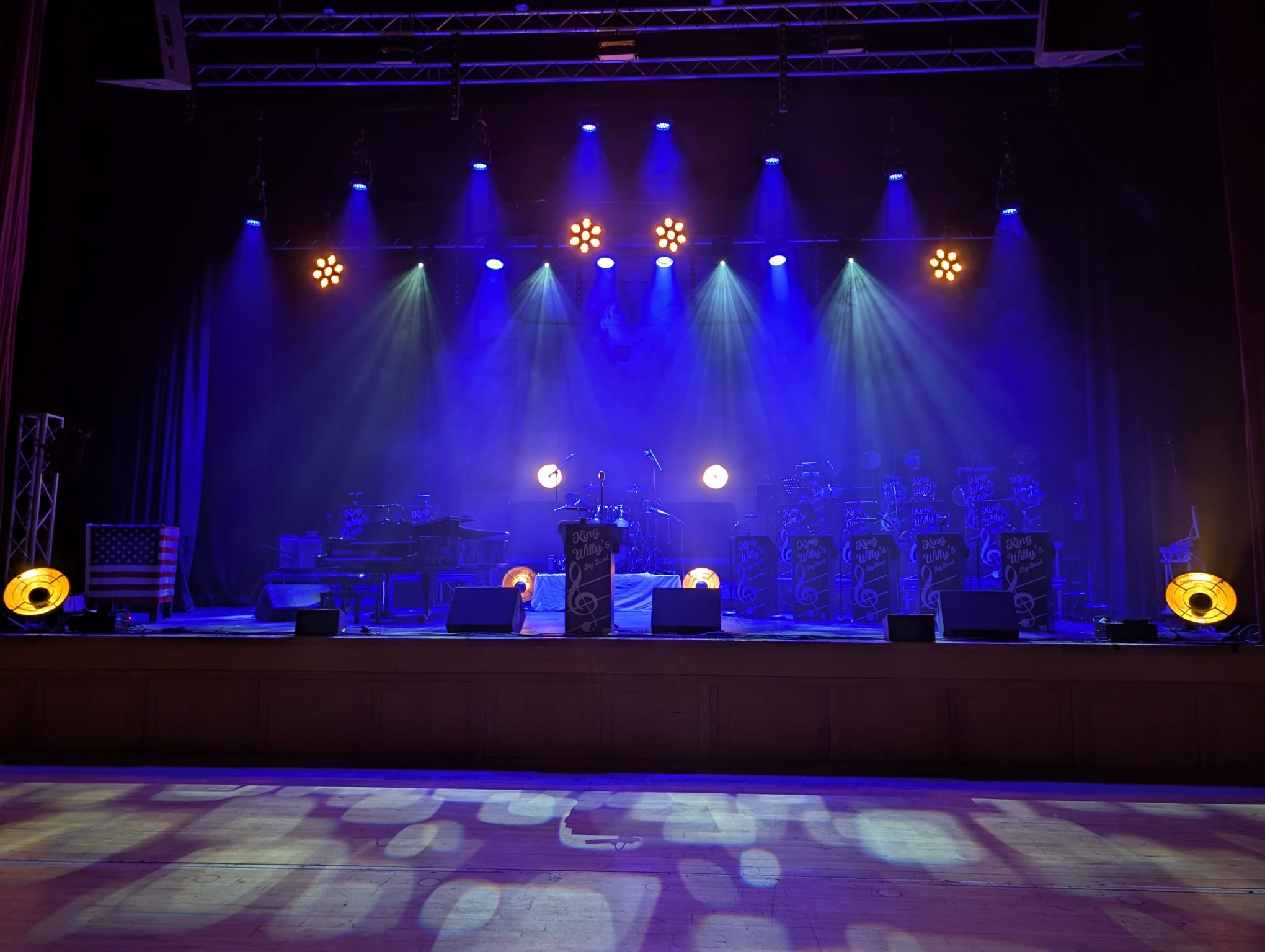
Stage automation designed for performers, operators, and the show happening tonight.
Stage automation exists in a different risk environment to industrial automation. The loads move over performers and audiences. The operators are following a cue sheet under show conditions. When something goes wrong, it goes wrong in public, in real time, with no opportunity to stop the show and investigate.
Purpose-built systems for the live performance environment.
CinePath is our specialist brand for stage automation engineering. Every system we build under CinePath — whether a full hoist and lift installation or a safety layer added to an existing fly floor — is built around the same principle: the system must make the safe option the easy option, and the unsafe option either impossible or clearly flagged before it happens.
The work covers a wide range: purpose-built stage hoists and lifts, automated set control, controller consoles that integrate with lighting desks, cue and communications systems, and safety-critical retrofits to traditional fly rigs. The common thread is that all of it is designed to work in a live performance environment, where the engineering supports — not obstructs — the people making the show happen.
Laser scanner person-presence detection
Every CinePath automation system includes laser scanner-based presence detection as standard. If a person enters a defined zone during a move, the system cancels the move before contact is possible. This is not an optional add-on — it is part of the base design, because the consequence of getting it wrong in a theatre is unacceptable.
ArtNet and MA console integration
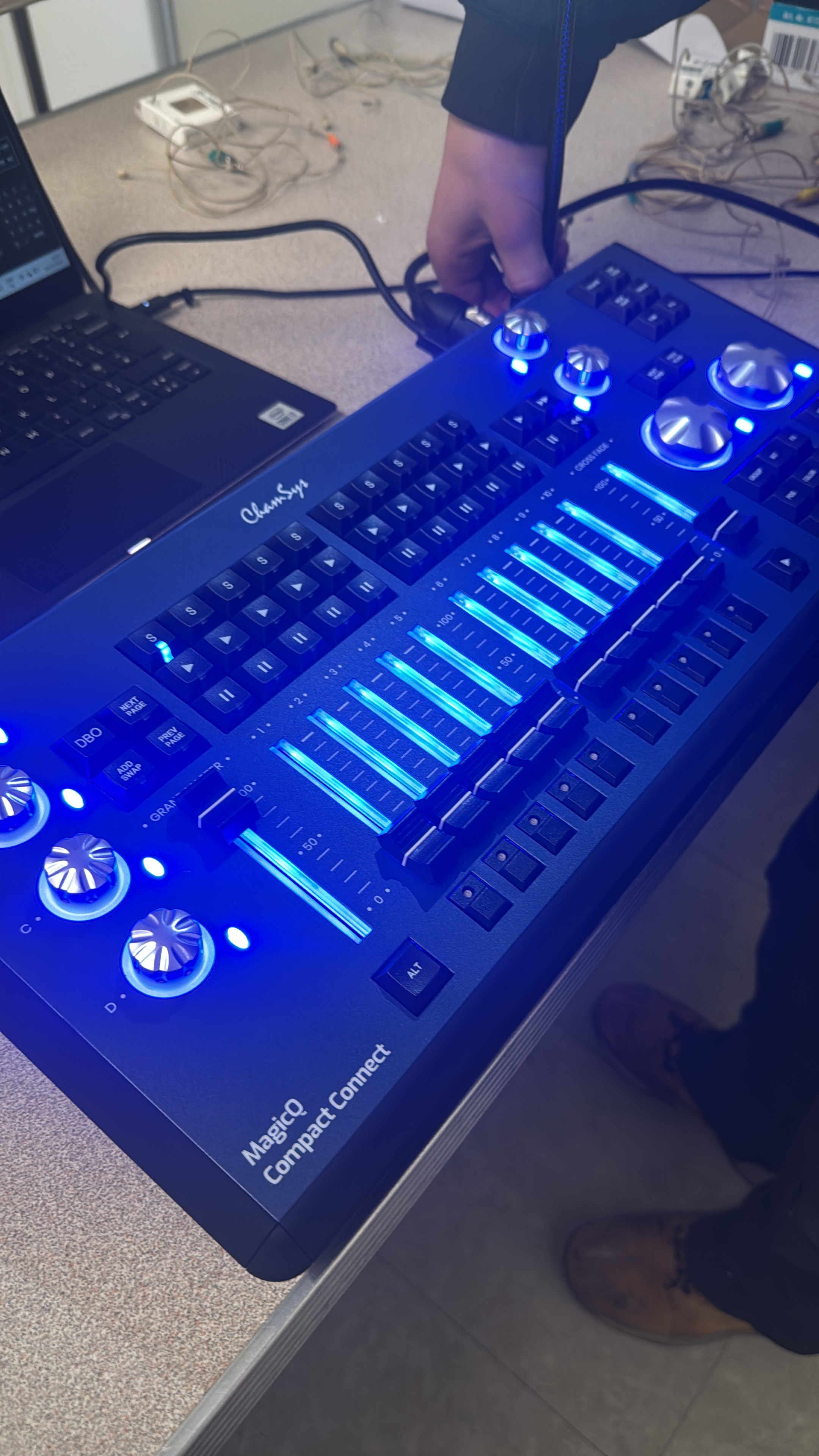
CinePath controllers integrate directly with GrandMA and any other ArtNet-based lighting console. Automation cues sit inside the lighting operator’s existing cue stack — the same GO button that fires the lights fires the automation. For productions that want a single operator running both, or venues where the lighting console is already the master system, this removes the need for a separate automation operator or an additional console on the desk.
The system between ‘full automation’ and ‘hope the crew gets it right’.
A traditional counterweight fly rig represents a significant capital investment and, in many venues, is the only rigging infrastructure available. Full automation replacement is expensive and often architecturally impractical. But a purely manual system relies entirely on the crew operating it correctly, every time, under the pressure of a live show.
The CinePath fly rig system sits between those two positions. We add encoders and auto-braking to existing counterweight systems and connect them to the CinePath controller. The rig is still operated manually — a human still pulls the rope. But the controller now knows the position and velocity of every bar, and a cue light on every rope tells each operator exactly which bar to move, in which direction, and by how much.
Pulls that would over-fly a bar or create a crush risk are blocked. Wrong bar, wrong direction, wrong distance — removed by the system rather than managed by concentration alone. The crew remain in the loop. The choreography of a complex scene change is still a human skill. But the most dangerous failure modes are engineered out.
What the fly rig system provides
- Encoder-based position and velocity tracking on every counterweight bar
- Auto-braking integrated into the existing mechanical system
- Per-rope cue lights — which bar, which direction, how far
- Controller that permits pulls only when they are the correct move in the correct range
- No full automation required — crew skill and judgment remain central
Cue light and communications systems
For stages with smaller budgets, a full automation installation is not always the right answer. CinePath builds cue light systems and communications infrastructure for venues that need reliable, clear cueing without the capital cost of motorised equipment. Built to the same standards as the full automation range — the budget is the client’s, not the engineering tolerance.
From producing theatres to independent technical directors.
CinePath systems are relevant across a range of clients and project types. Producing theatres and receiving houses planning new builds or refurbishments. Touring productions requiring automation that integrates with the console rig they are already carrying. Venue technical teams looking to improve safety on existing fly rigs without full replacement. Automation suppliers and set constructors who need an independent controls and safety engineering partner. Production managers and technical directors who want a second opinion on a specification or a system that is not behaving as expected.
System integration we support
- GrandMA and ArtNet-based lighting consoles for cue trigger integration
- ChaosOS and other DMX / ArtNet platforms where applicable
- DALI, relay, and dry-contact interfaces for legacy venue infrastructure
- Safety system integration compliant with entertainment industry standards
A note on safety standards
Stage automation operates in a unique risk environment — EN 17206 and the wider machinery directive apply, but the live performance context adds requirements that purely industrial standards do not cover. CinePath systems are designed with that context in mind from the first specification, not retrofitted to pass a checklist.
Tell me about the show or the venue
Whether you are planning a new installation, looking at safety improvements to an existing rig, or trying to integrate automation into a production that is already partially designed — describe what you are working with and what you are trying to achieve.
Related services: PLC Retrofit & Re-ControlsSiemens Motion ControlTraining & Consultancy