George Pickering
Controls • Motion • Robotics • Stage engineering
Control panel and re-control wiring
Wiring + PLC Software • Scarborough, UK • Worldwide

Make the panel, code and HMI tell the same story.

This is the layer where supportability is usually won or lost. Device naming, IO structure, alarm design, interlocks, recovery behaviour and the relationship between the real panel and the software should all reinforce one clear model of how the machine works.

Main priority Readable signals and states that still make sense during a fault at the worst time.
Best use Retrofits, re-controls and new builds where supportability matters as much as first power-up.
Engineering value Faster fault-finding, cleaner alarms, better IO prove flow and stronger handover packs.
Typical crossover Electrical design, PLC logic, HMI text, tools and commissioning workflow all aligned together.

How this layer affects the whole machine

Wiring and PLC structure matter because they decide how quickly someone else can understand the fault path. The best systems let you trace a signal from the device, to the terminal, to the IO list, to the PLC tag, to the HMI and back again without guesswork.

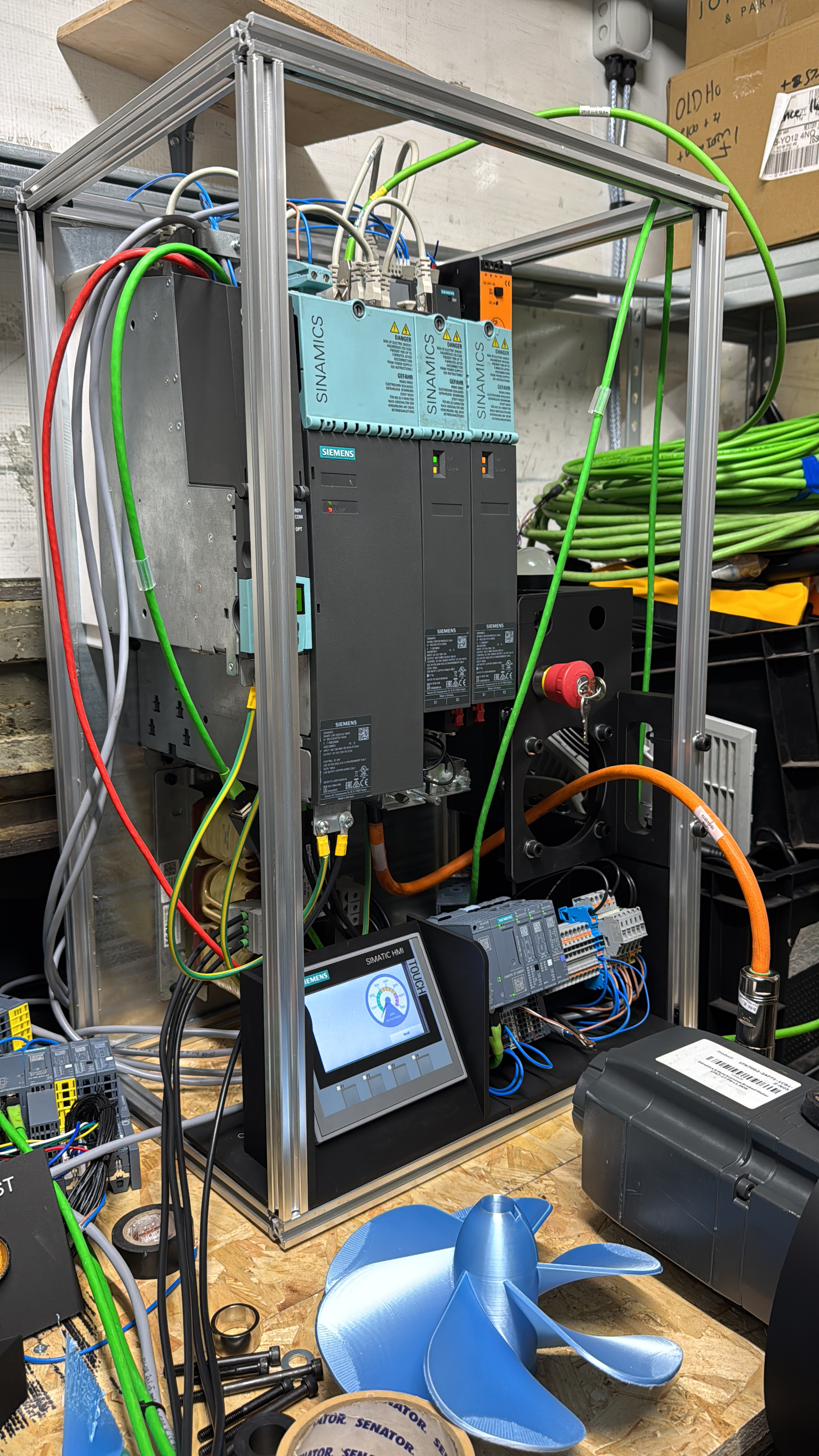
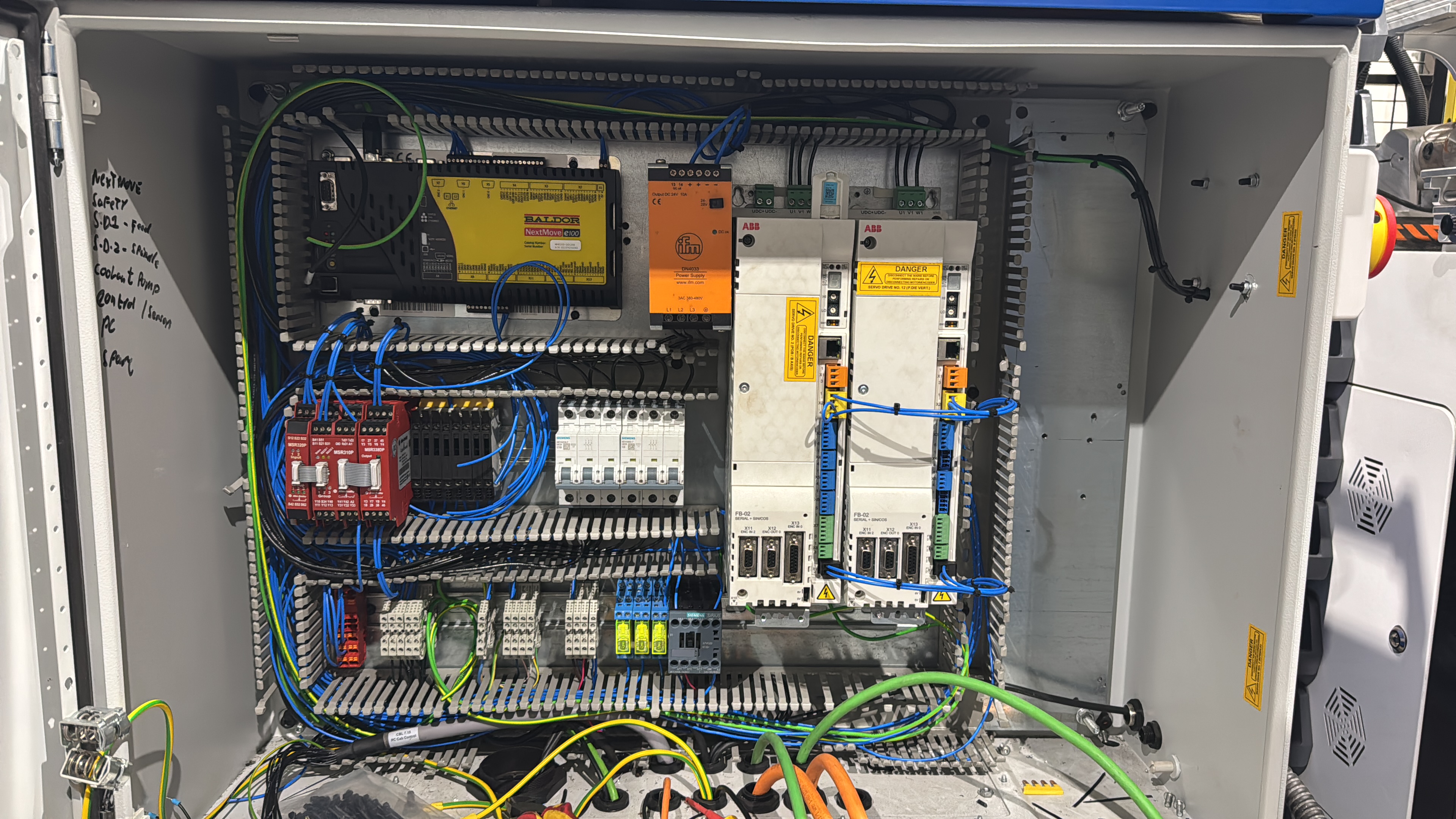
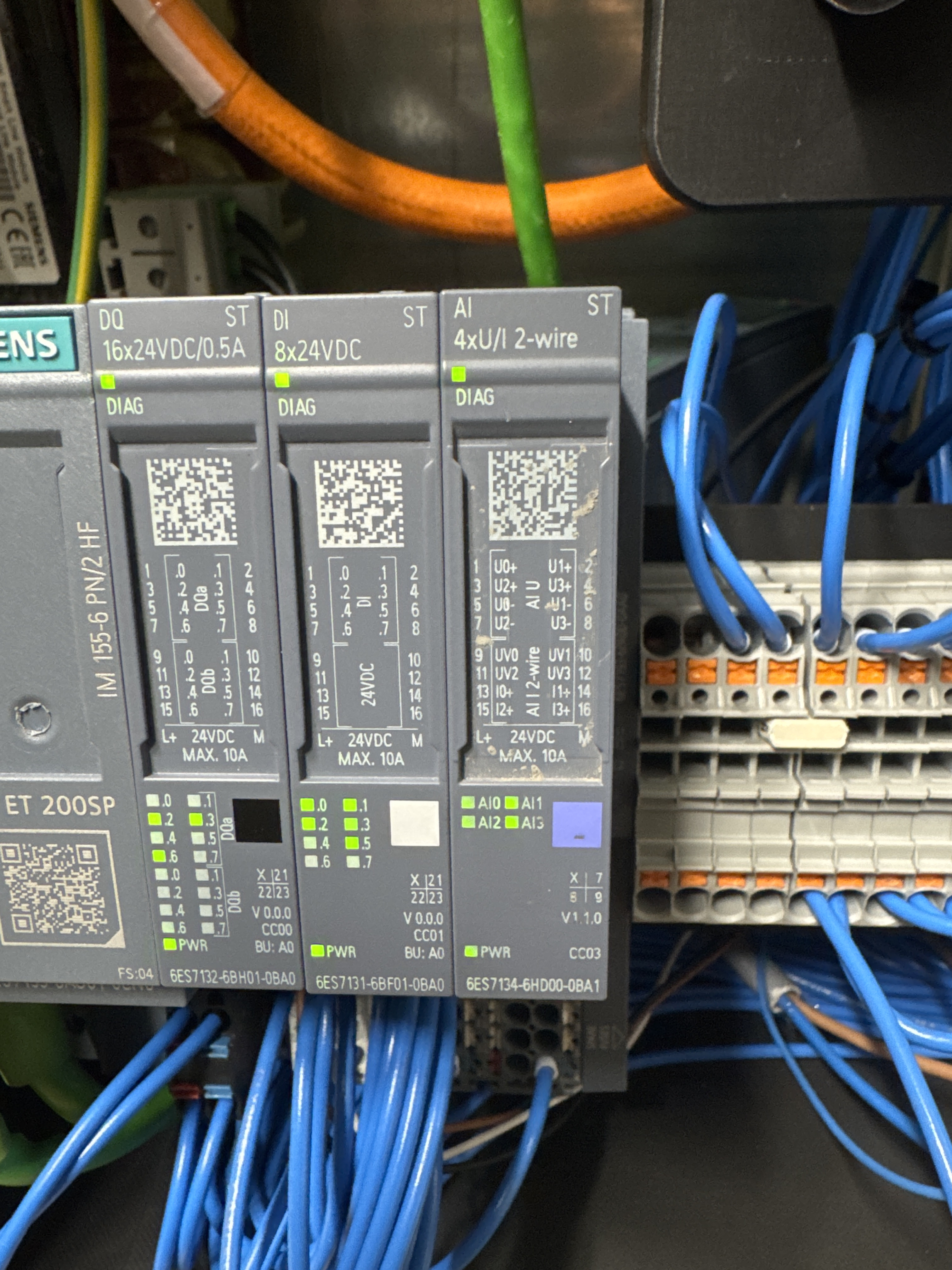
Control cabinet and wiring detail
What this page is really about

Make the software and the real hardware reinforce the same logic.

A strong controls system does not rely on one person remembering how it works. Panel labels, cable IDs, terminal references, PLC tags, HMI text and alarm messages should all point to the same structure and the same intent.

That is what makes fault-finding faster. It also makes retrofits, future upgrades and handover far less risky.

Panel → code alignment
Traceable signals
Visible intent
Supportable handover

IO structure

Make wiring and software readable without tribal knowledge. The same structure should appear in drawings, PLC tags and HMI text.

Readable naming

Tags should decode into a useful sentence: class, device, location and function. A competent engineer should be able to locate the signal quickly from the name alone.

Clear states

Separate operator intent from machine state. Start is a request. Ready, running, faulted and inhibited are machine truths.

Commissioning hooks

Safe manual mode, visible permissives, IO prove flow and recovery tests built into the structure from the start.

Traceable interlocks

Interlocks should be visible end-to-end: device, input, logic condition, alarm or HMI visibility and recovery requirement.

Noise-aware wiring

Segregation, commons strategy, sensible cable routing and practical field wiring choices that improve reliability and make faults easier to isolate.

Supportable handover

IO schedule, comments, terminal references and as-built notes that reduce reverse-engineering later.

Wiring philosophy

Electrical decisions should help software, not fight it.

The best software structure in the world will still feel bad to support if the field wiring is ambiguous, devices are badly identified, or the terminal plan does not match the code.

Wiring and PLC naming should be developed together so each signal can be traced quickly from the machine, to the drawing, to the IO table, to the PLC and back again.

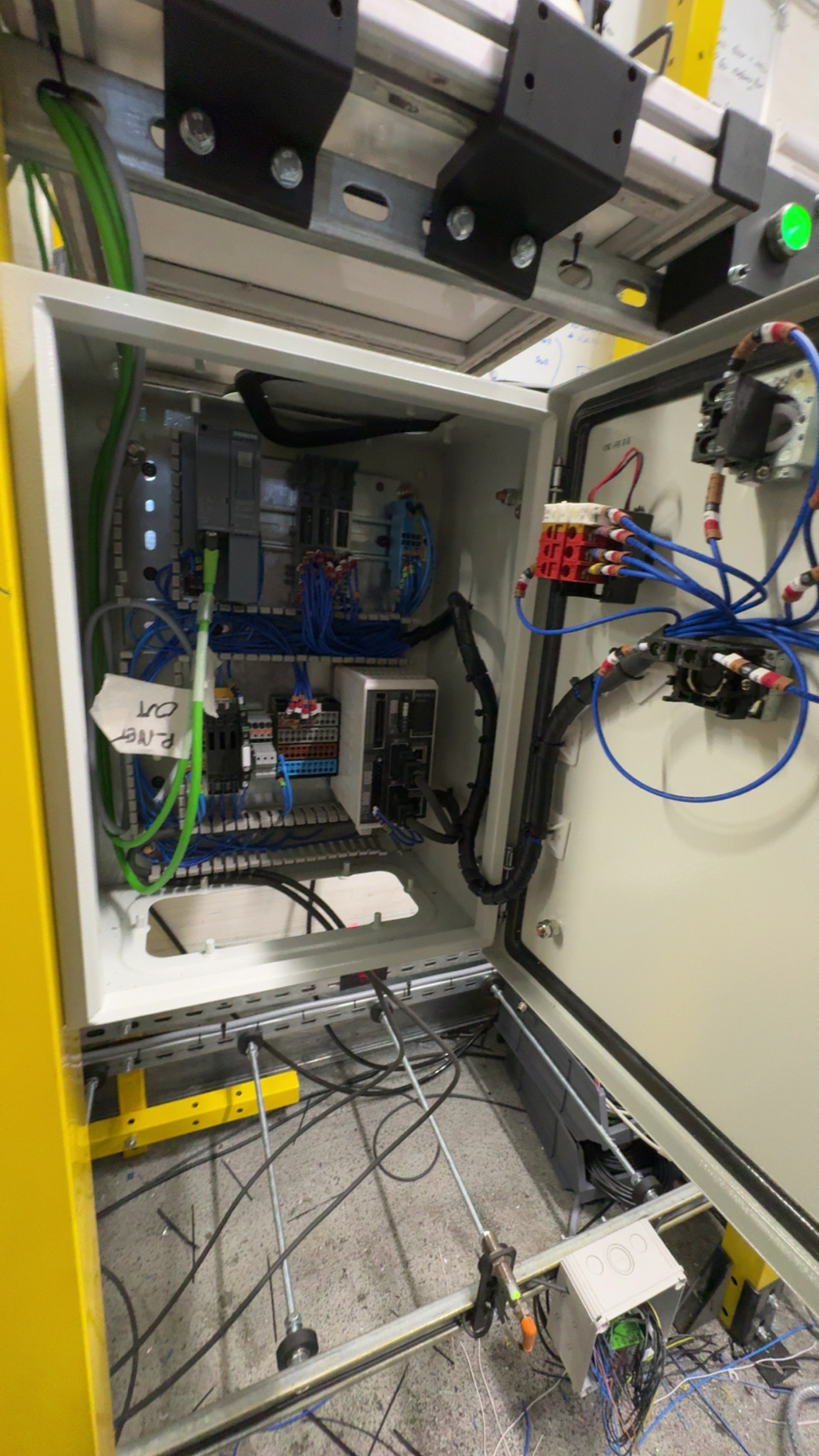
IO rack and control architecture

What good structure gives you

  • Faster first-pass diagnostics
  • Cleaner commissioning notes
  • More reliable alarm wording
  • Less risk when modifying later

What bad structure costs

  • Longer downtime during simple faults
  • Hidden interlock logic
  • Operator confusion during recovery
  • Future upgrades that start with archaeology

Alarms + recovery

Alarms should answer three questions quickly: what happened, why it happened, and what to do next.

Alarm philosophy

Operators get short, actionable guidance. Engineers get the precise condition and the related permissives or machine state.

  • Cause: what condition triggered
  • Effect: what the machine did
  • Recovery: what must happen to return safely to ready

Interlock visibility

Permissives should be grouped logically and exposed clearly. If the machine is not ready, it should be obvious which layer is blocking it.

  • Safety and enable layer
  • Utilities and services layer
  • Motion and homing status
  • Guarding and access state

What “good” feels like

When a fault occurs, a competent operator should be able to answer within seconds: is it safe?, what blocked the machine?, and what is the next recovery step? If the system cannot answer that clearly, the structure still needs work.

Linked projects

Reference pages where wiring structure, software philosophy and commissioning behaviour are visible in context.

Dictionary

Short public reference for readable tags and signal naming. The interactive version remains on the Tools page.

Direction

I = Input · Q = Output · M = Memory / internal

Use direction consistently so it is obvious whether a signal is physical, commanded or internal.

Class

S = Sensor · A = Actuator · CMD = Command · FB = Feedback · ST = State · ALM = Alarm

Keep classes compact and consistent so tags stay readable under pressure.

Location

Area / Station → Sub-assembly → Axis / Side

Location should point to a real place on the machine, not an internal coding mystery.

Function

Datum · Home · Extend · Retract · Clamp · Unclamp · Ready · Fault · Inhibit

Function describes intent. Avoid vague names like OK, Signal1 or Bit3.

Examples

I_S_Prox_X_Datum Q_A_Valve_Infeed_Extend M_ST_Cycle_Running M_ALM_Guard_Open

A good tag should help you find the device and understand its role without opening every block in the project.

Next

Use the public interactive version on the Tools page for the encoder, decoder and searchable dictionary.

Enquiries

Send the stack, current pain points and what must improve.

Useful context includes the PLC, HMI and drive stack, whether the job is new build, integration or retrofit, and the current failures: unclear alarms, slow recovery, hidden interlocks or documentation gaps.

Control panel and wiring work