George Pickering
Controls • Motion • Robotics • Stage engineering
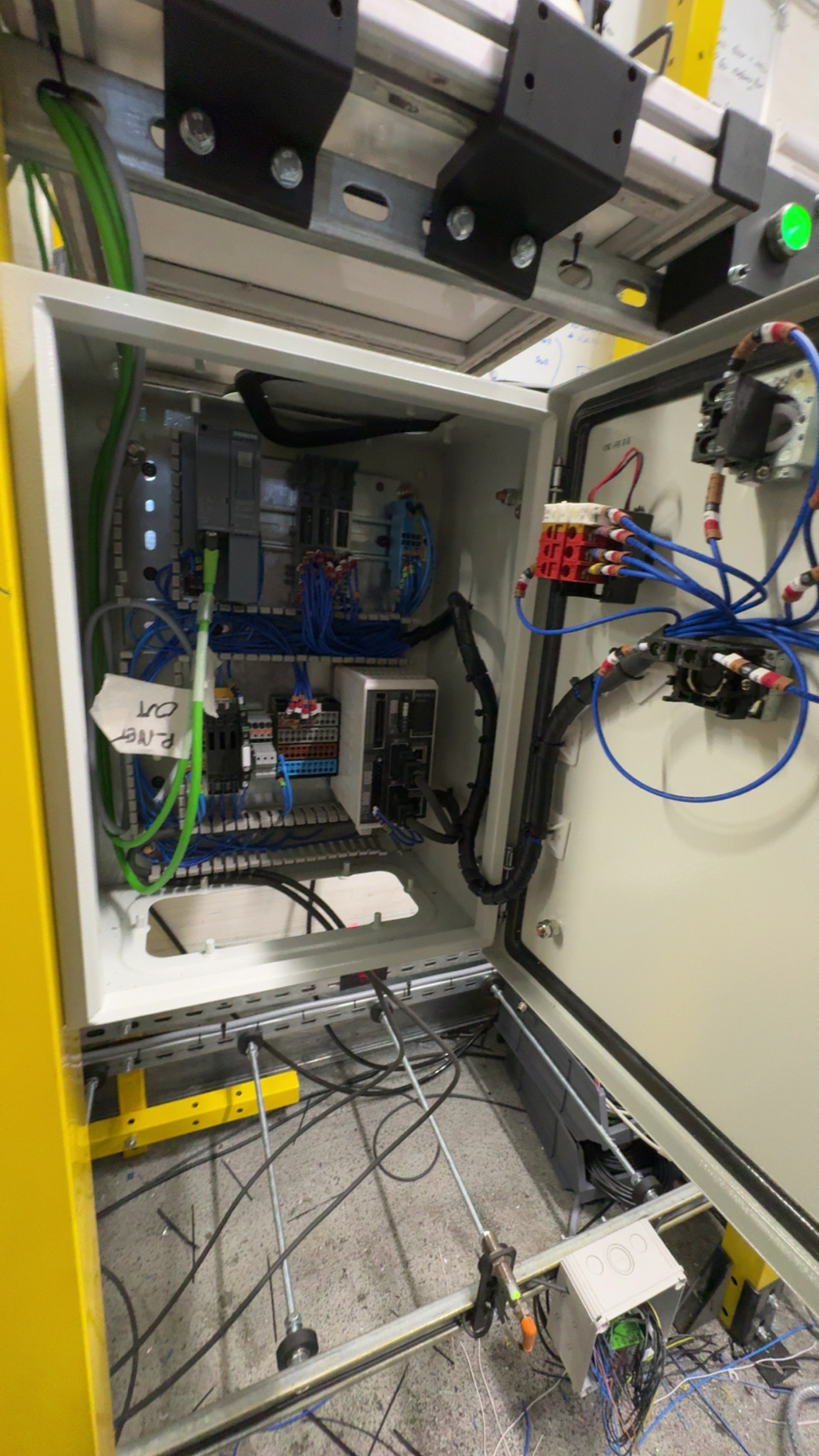
ET200SP IO rack and Siemens motion hardware
PLC, Motion & Controls • Scarborough, UK • Worldwide

Controls engineering that still makes sense on a bad day.

PLC and motion systems are only valuable when the machine states are clear, the enable behaviour is intentional, the alarms point to root cause, and the handover pack leaves the system supportable. The aim is not just getting motion once. It is leaving a system that can be proved, fault-found, recovered and changed without guesswork.

Main priority Make the control layer understandable enough to diagnose under time pressure.
Best use Commissioning, retrofit, motion bring-up and integration where predictability matters more than novelty.
Engineering value Less guesswork, cleaner recovery paths, clearer alarms and faster site proving.
Typical crossover Controls work that directly supports electrical design, mechanical layout, training and handover.

How the controls layer changes the whole machine

Good PLC and motion work is not just about a program that runs. It is about how the machine becomes ready, what blocks it, how motion is permitted, how it recovers from interruption, and how an engineer can prove each path without relying on unwritten rules.

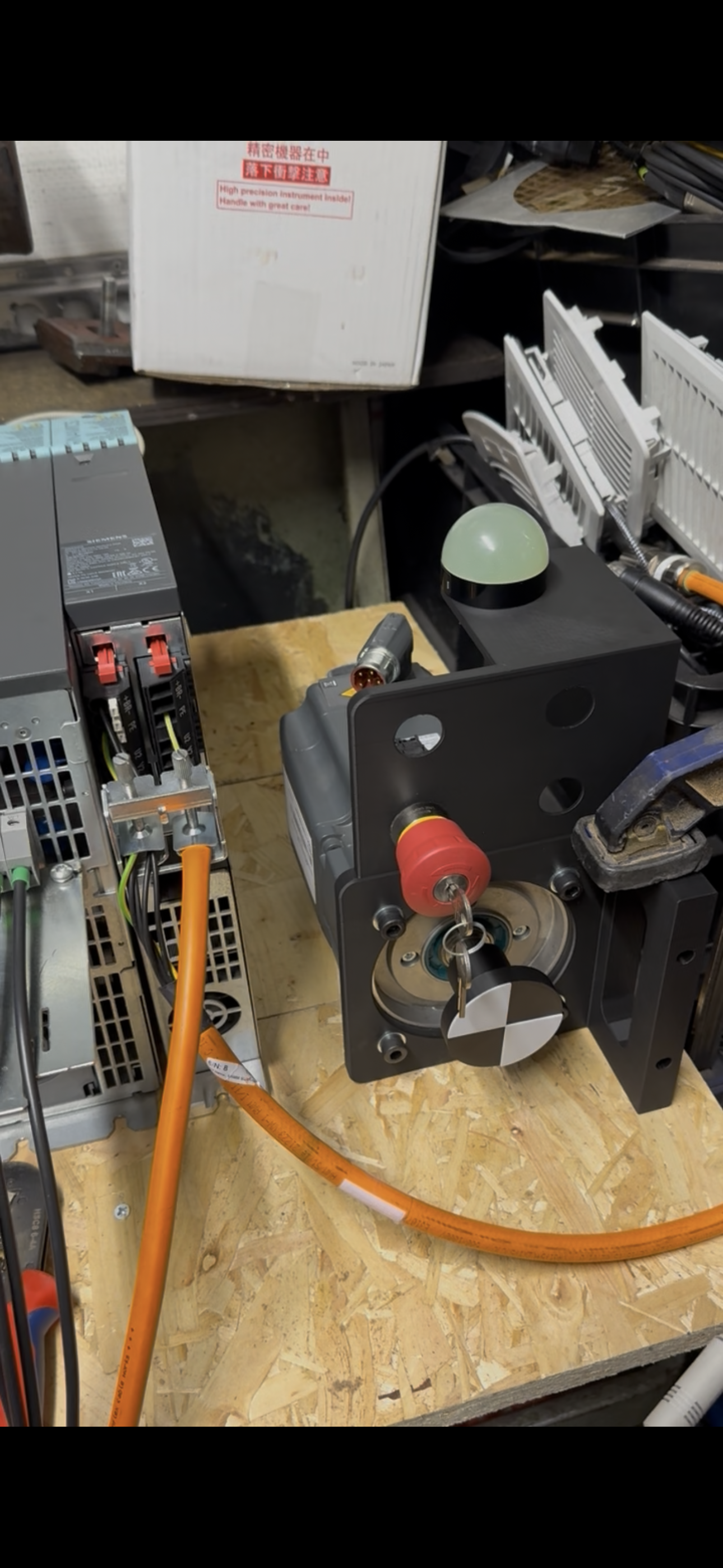
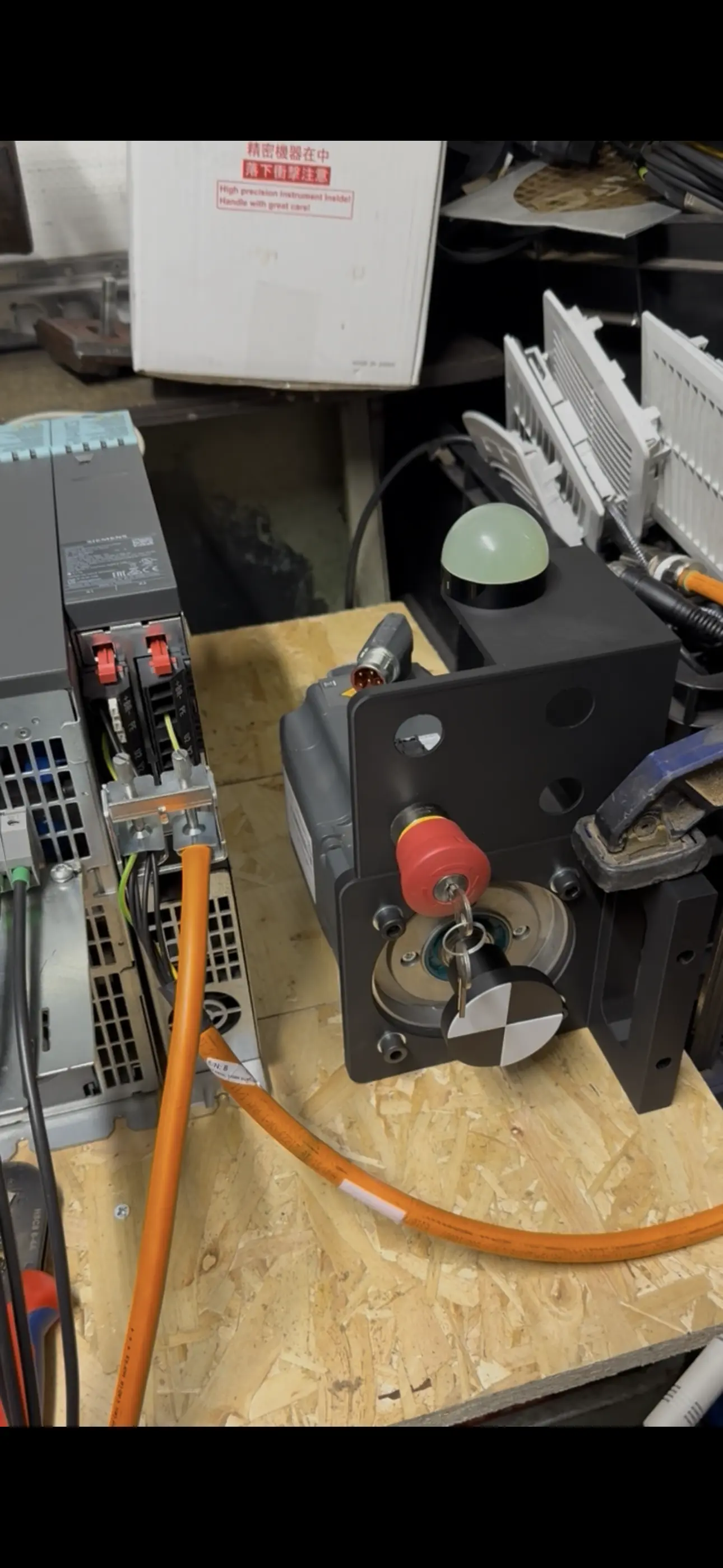
Motion bench development and safety hardware
Approach

Define operating behaviour first, then build the PLC around it.

The job usually starts with the machine states and the stop or abort behaviour. Once that is clear, the PLC structure, motion permissives, HMI and alarm strategy can all reflect one coherent model instead of becoming disconnected layers that only make sense to the person who wrote them.

That prevents systems that work only while one person remembers the unwritten rules. It also makes acceptance testing, commissioning and future support much more predictable.

State-driven
Motion-aware
Alarm-led recovery
Supportable handover

Capabilities

The hard middle between electrical design, machine behaviour and operator usability.

Bring-up workflow

Repeatable commissioning sequence covering IO proving, enable validation, first motion, interlock testing and guided recovery.

Motion integration

Drive commissioning and motion structure built around staged proving: power, readiness, jog, homing, sequence and fault recovery.

Interlocks + permissives

Visible logic that explains what blocks movement, why it blocks, and what must be true before the machine proceeds.

Alarms + recovery

Cause-to-effect alarm design with recovery actions that help operators and diagnostics detail that helps engineers.

Logging and trending

Analog and digital logging for commissioning evidence, comparison between runs and structured fault-finding.

HMI workflow

Pages designed around real operation: readiness, manual mode, machine state, recovery steps and useful diagnostic visibility.

Typical outputs

The useful part is not just the code. It is the proof around it.

Controls work is only fully delivered when the machine state model, alarm strategy, IO naming, HMI structure, logs and commissioning notes all line up. That is what makes future modification and support faster rather than riskier.

The exact stack changes by project, but the standard stays the same: readable behaviour, recoverable motion and handover material another engineer can trust.

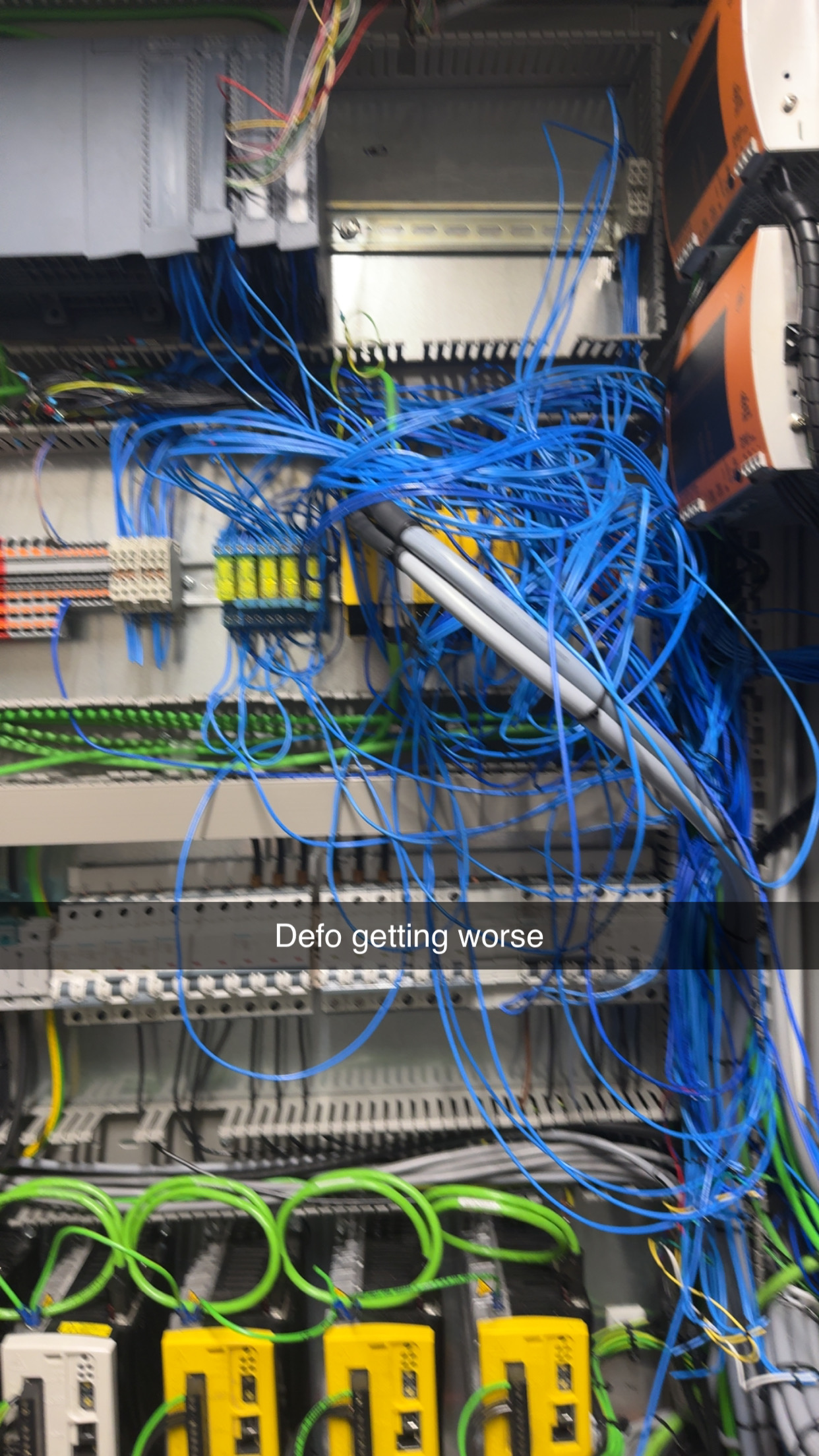
Commissioning and motion build work

Typical delivery pack

  • Sequence or state description
  • IO schedule and naming structure
  • Alarm list with causes and recovery steps
  • Commissioning checklist and notes
  • HMI pages aligned to operation and diagnostics
  • Logging or trend setup where useful

Platform scope

  • Siemens PLC, HMI and IO workflows
  • Siemens motion, including S120 bring-up and related platforms
  • Motion permissives, homing, jog and sequence integration
  • Broader automation and integration logic where the machine needs it

Related training can be delivered online, on-site or using demo-case hardware where useful.

How I work

Define behaviour, prove it in stages, then leave evidence and notes that survive the project.

1) Define states

Ready, run, hold, stop, abort and recovery behaviour are made explicit before deeper logic grows around them.

2) Build structure

IO naming, interlocks, motion layers and HMI visibility are aligned around one coherent machine model.

3) Prove in stages

Power, readiness, jog, sequence, alarm and recovery tests are separated so faults can be isolated quickly.

4) Leave evidence

Backups, logs, notes and exports are prepared so the result remains understandable after install and after changes.

Linked projects

Reference work that shows the commissioning and controls layer in context.

What good controls work changes

Less black-box behaviour, calmer commissioning, faster recovery.

The control layer earns its value when operators can understand the machine state, engineers can prove why motion is blocked, and site work does not collapse into trial-and-error. That is what predictable states, useful alarms and clean logging really buy you.

The result is not just a machine that cycles. It is a machine that can be supported with confidence.

Less guesswork
Faster proving
Better diagnostics
Stronger handover
ET200SP IO rack and Siemens motion hardware
Enquiries

Send the machine type, what needs to change, and the commissioning window.

The best first message includes the current stack, the main pain points, whether this is new build, integration or retrofit, and any safety or downtime constraints that shape the delivery.

Commissioning and motion build work