Status update
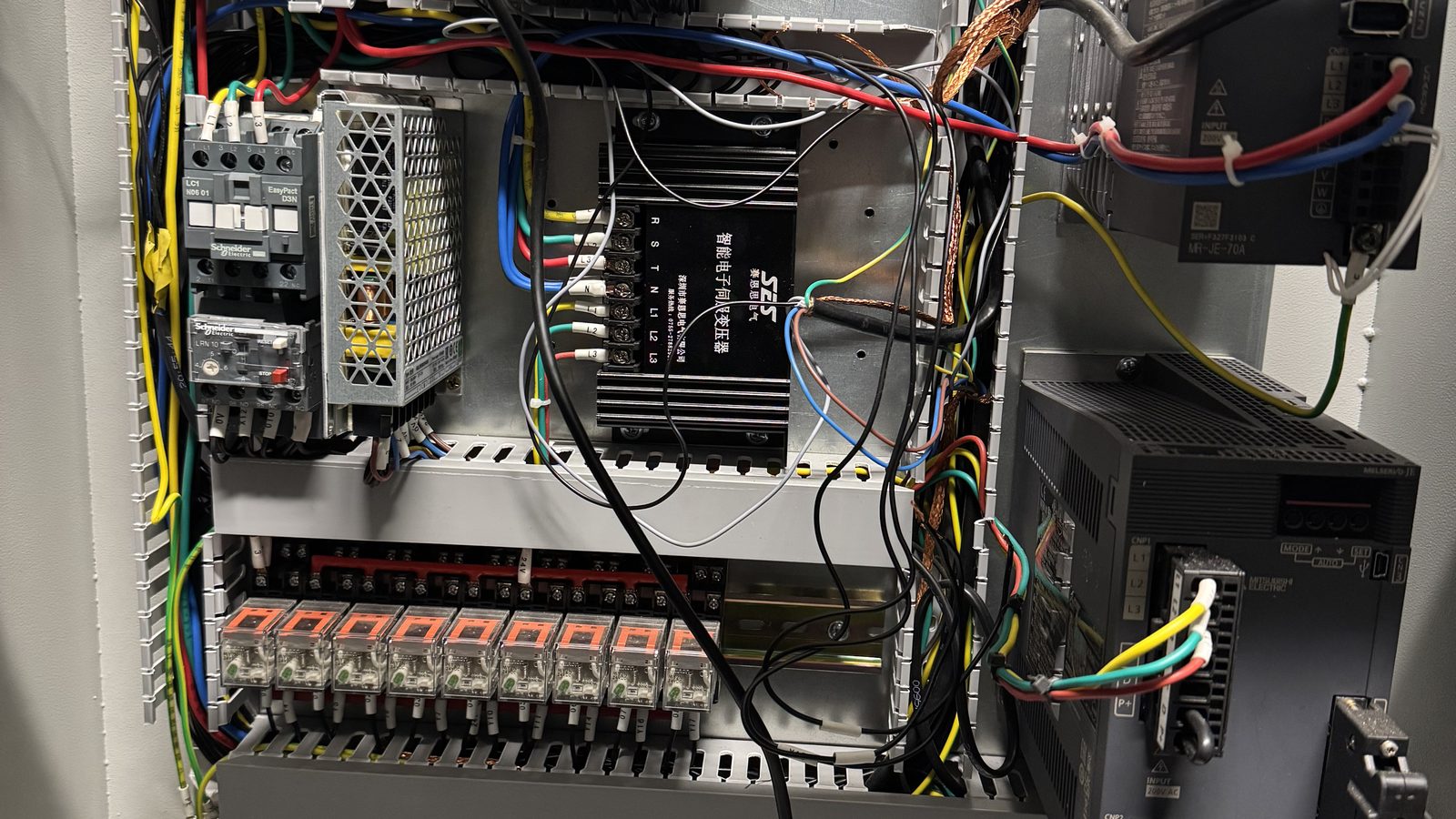
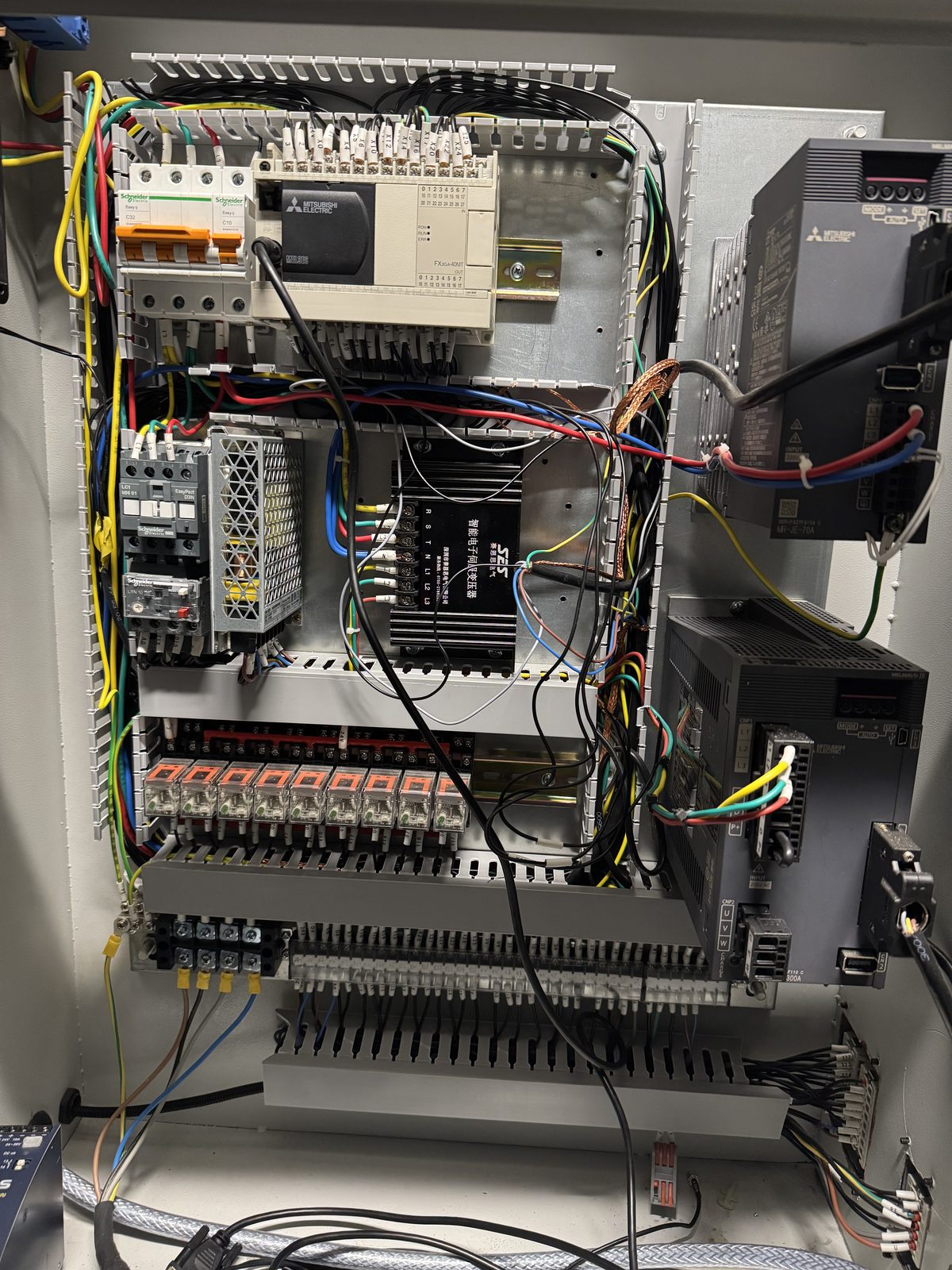
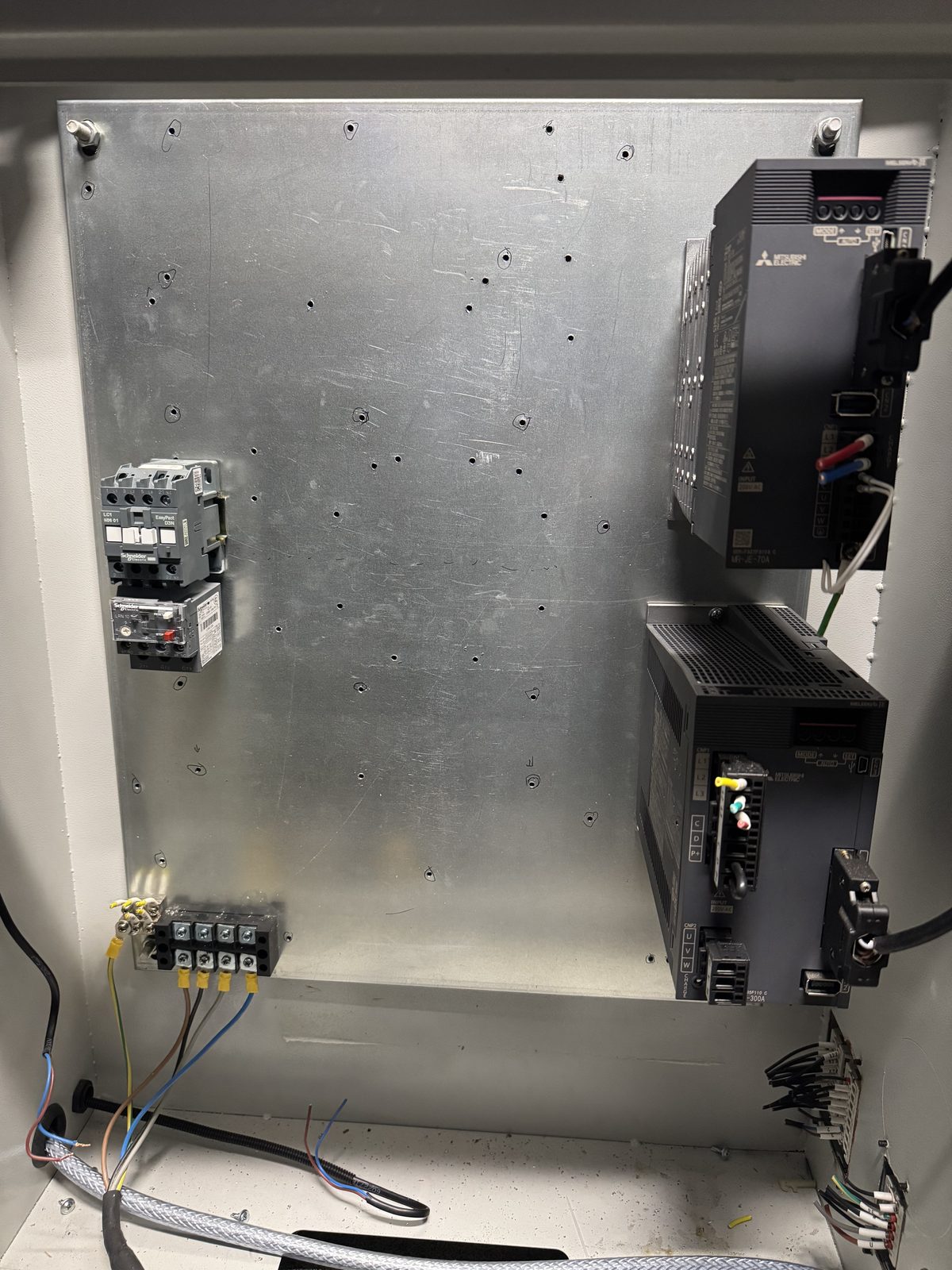
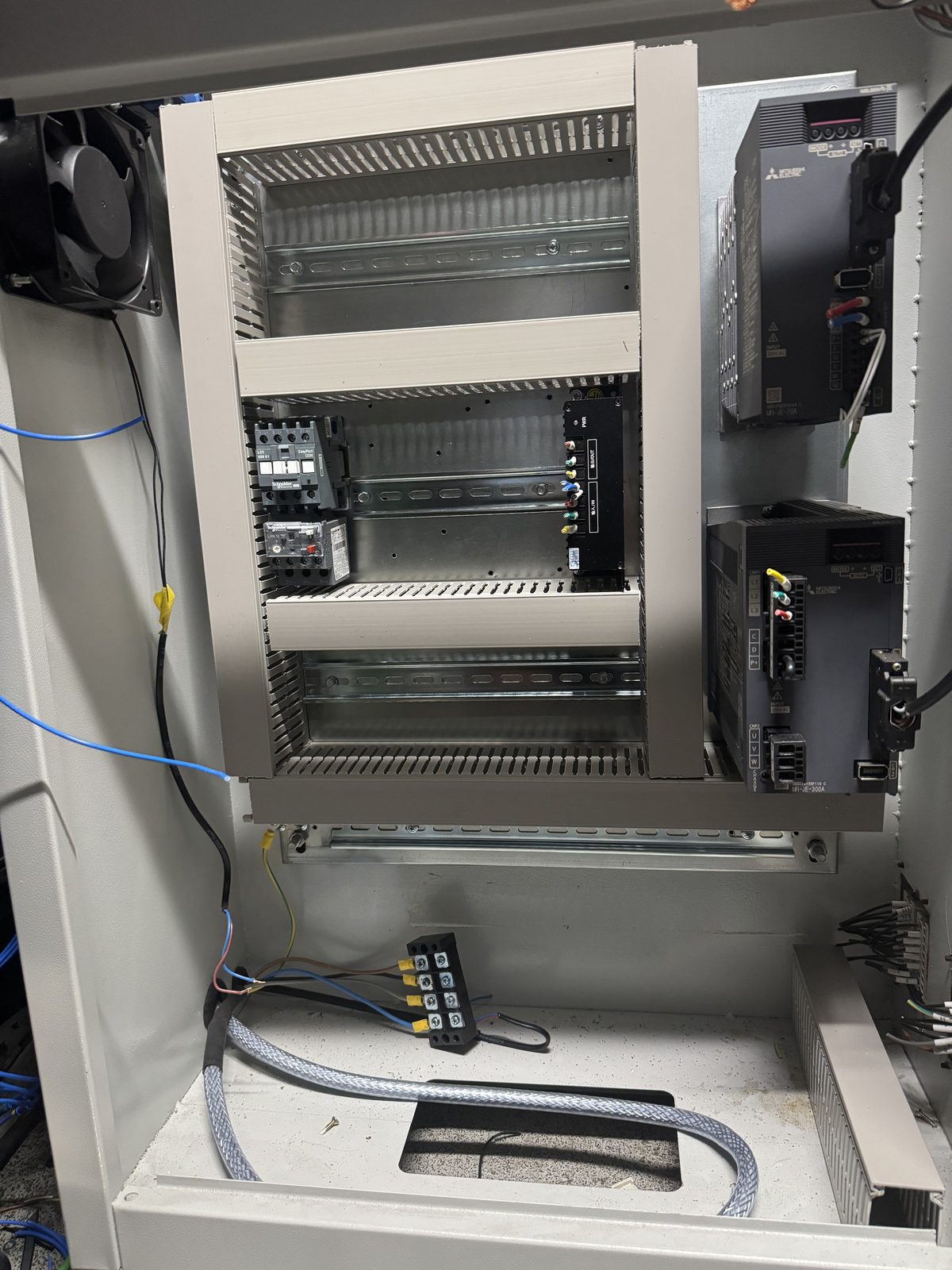
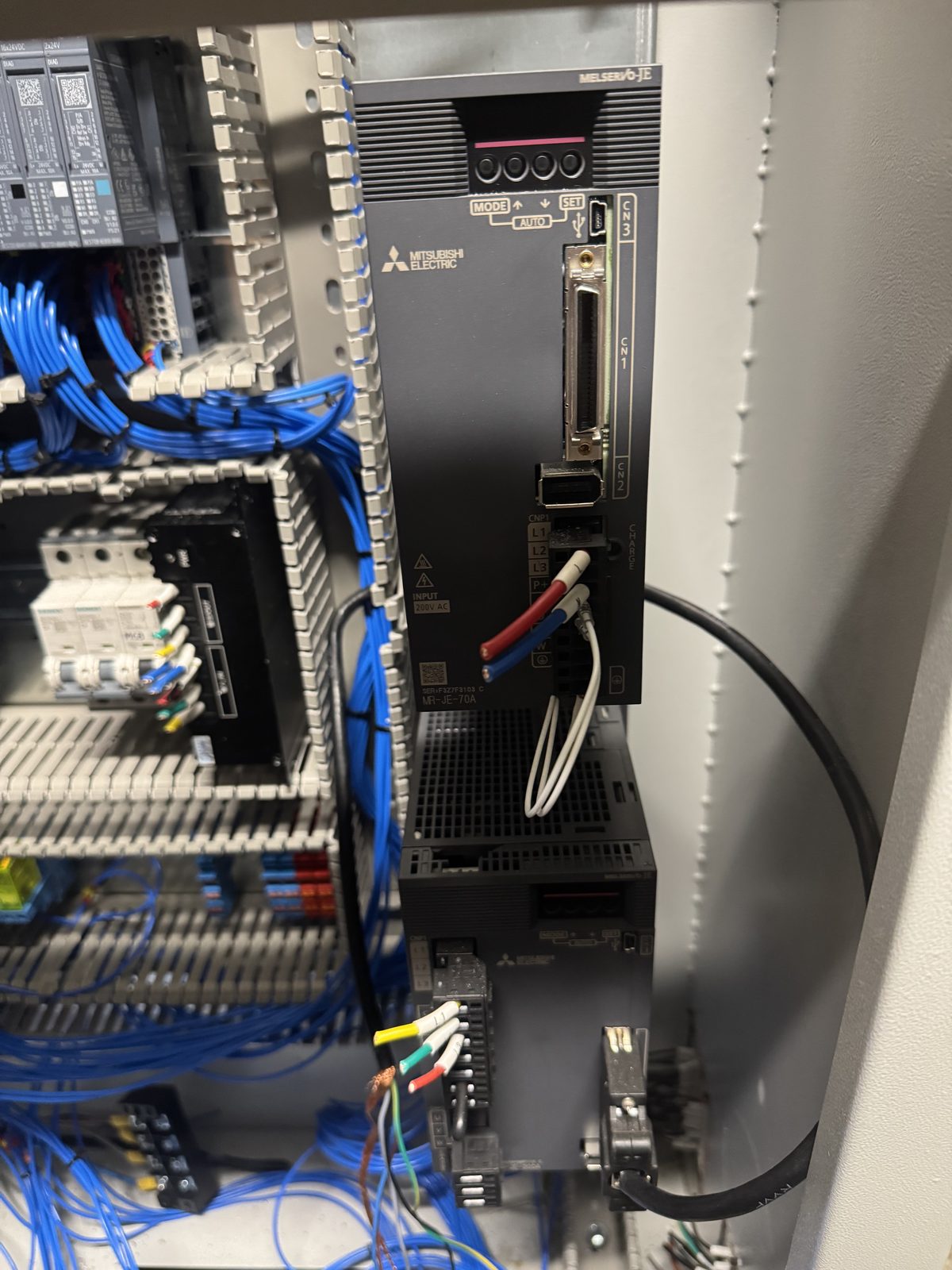
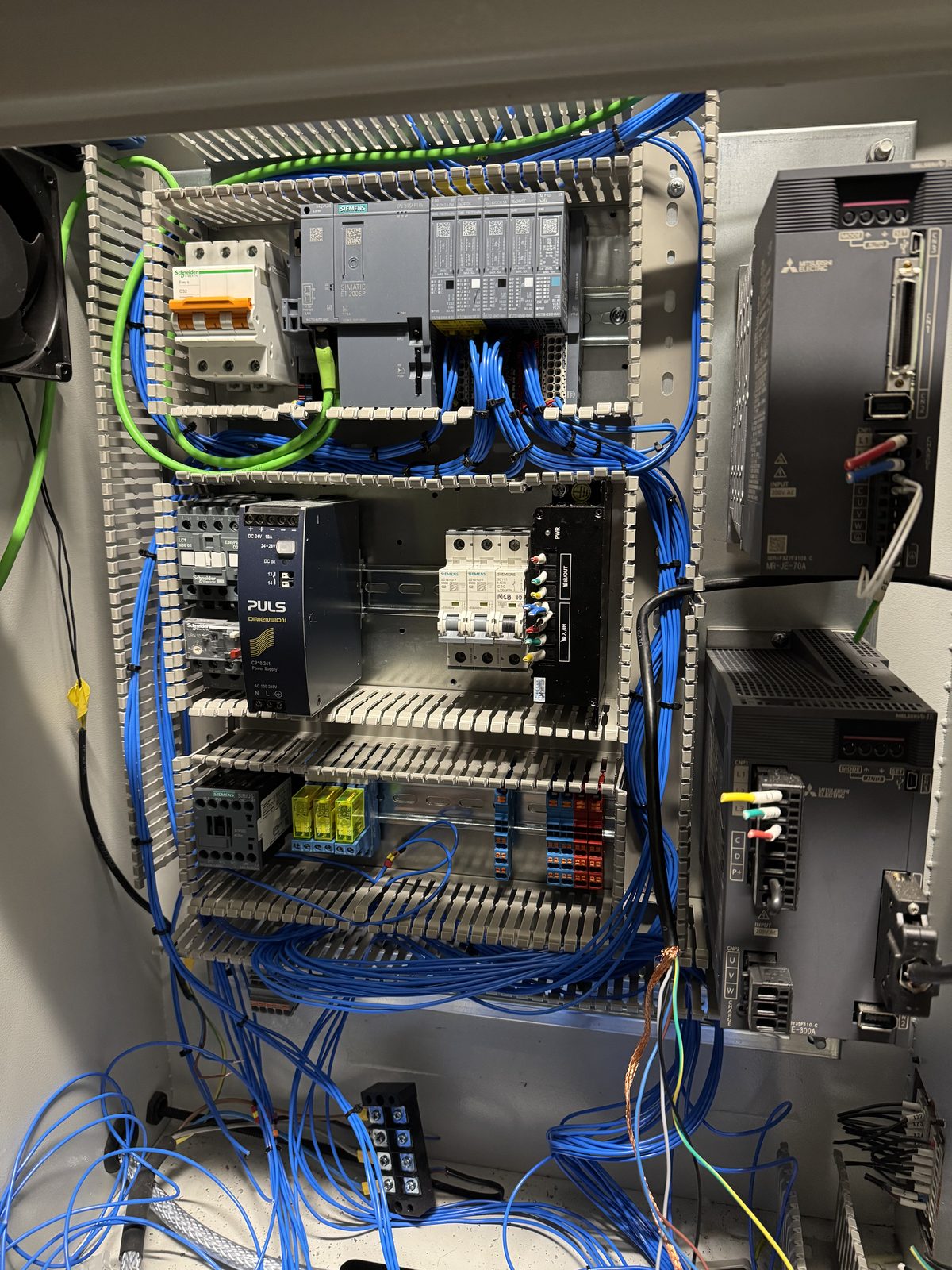
This project is currently in progress. The page will be updated as milestones are completed. Current status: electrical panel strip-out complete, new panel build in progress.
Overview
The endformer re-controls project involves replacing the legacy control system on a tube-end forming machine with a modern Siemens-based platform. The machine is still in production use, so the changeover must be planned carefully to minimise downtime.
The original panel contained a mix of aging relay logic, obsolete PLCs, and undocumented modifications made over many years of production use. The new system will be fully documented from day one, with a clear alarm structure and safe interlock logic.
Scope
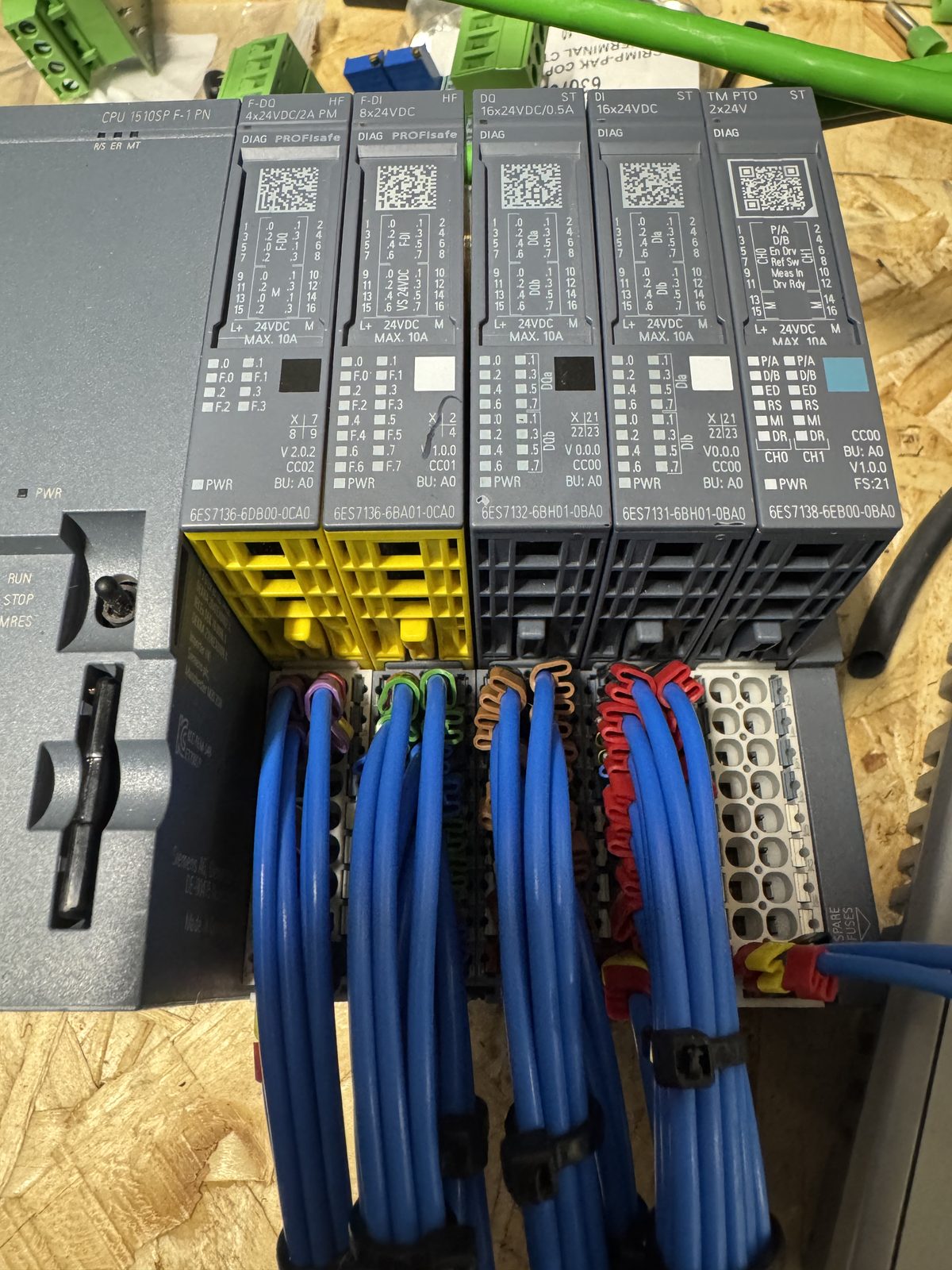
Full strip-out of existing controls, new panel design and build with Siemens S7-1200, new PLC program written from scratch (no porting of legacy code), WinCC HMI, full IO schedule, and handover documentation pack including operator guide.
What will be delivered
- ✓New electrical panel — S7-1200, safety relay, full re-wire
- ✓TIA Portal PLC program with documented alarm structure
- ✓WinCC HMI with production counters and fault display
- ✓IO schedule aligned to terminals, cables, and device IDs
- ✓Operator guide and maintenance documentation
Project milestones
Machine inspection, IO count, panel survey, project scope confirmed
Old panel contents removed, new backplate fitted
New components fitted, wiring in progress
TIA Portal program, WinCC HMI development
On-machine bring-up, acceptance tests
Documentation, training, sign-off
Gallery
Working on something similar?
Start with the scope, the constraints, and what has to work on day one.