George Pickering
Controls • Motion • Robotics • Stage engineering
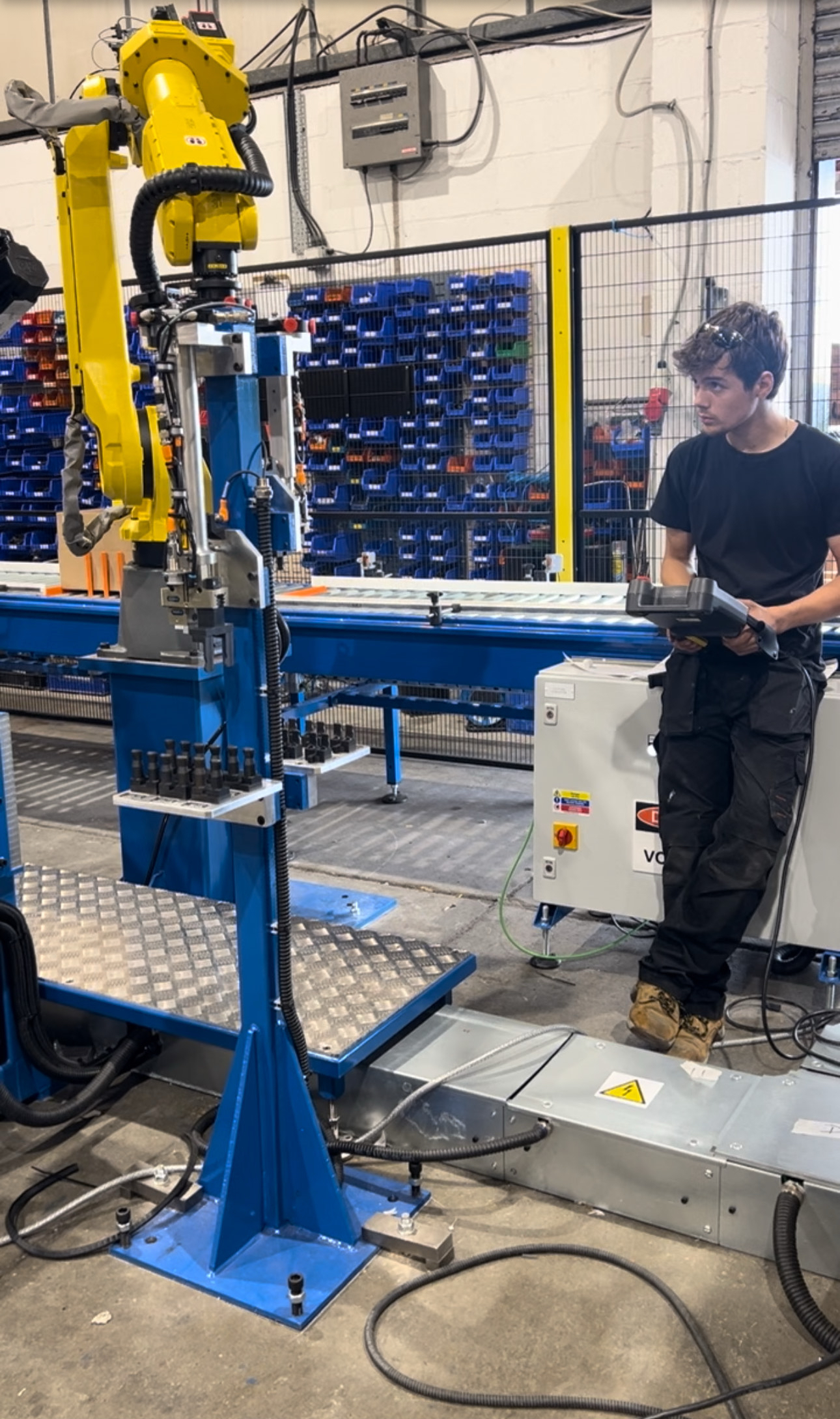
Robot cell performing automated packing
Robotics • Scarborough, UK • Worldwide

Robot cells engineered around the real moments they usually fail.

Reliable robotics work is about far more than motion paths. It is the safety concept, cell states, IO ownership, handshakes, recovery logic, operator access and handover quality that decide whether a system is genuinely usable in production rather than only impressive in a demo.

Main priority Make the cell understandable enough to run, fault-find and recover under real production pressure.
Best use Robot integrations where safety, sequencing, manual intervention and recovery have to be reliable.
Engineering value Cleaner commissioning, clearer alarms, better restart behaviour and fewer hidden failure modes.
Typical crossover Robotics work that depends directly on PLC logic, electrical design, guarding and operator workflow.

How the robotics layer changes the whole system

A robot cell only becomes usable when the safety concept, PLC interface, robot execution layer and operator-facing behaviour all tell the same story. That is why the integration work matters more than the path teach.

Programming and commissioning a FANUC robot
Approach

Make the PLC, robot and safety layers cooperate as one system.

The most reliable integrations do not treat the robot as a black box. The execution layer, cell controller, safety logic and HMI all need to agree on what the machine is waiting for, what it is allowed to do next, and how it should recover if something interrupts the process.

That is why the integration-first approach matters. It gives clearer testing, cleaner acceptance criteria and a better long-term support position once the cell enters production.

PLC ↔ robot handshakes
Safe zoning
Staged proving
Supportable handover

Capabilities

Practical robot integration built around commissioning and long-term support.

Cell architecture

Clear responsibility boundaries between PLC, robot, safety and HMI so behaviour is predictable and diagnosable.

Safety concept + zoning

Guarding, access and interlocks arranged so safe states are obvious and recovery is deterministic.

IO + handshake structure

Command, acknowledge, ready, fault and timeout patterns designed so the cell never depends on mystery bits.

Commissioning plan

Staged proving from IO checkout through dry runs, controlled motion and full cycle validation.

Fault recovery

Operator and engineering recovery logic that reduces downtime and makes abnormal states understandable.

Handover pack

Schedules, notes, alarm structure and as-built references that another engineer can genuinely maintain.

Platform fit

Robot integration with the rest of the machine still visible.

The robot is only one part of the cell. The integration layer also has to reflect what the PLC is proving, how the safety system behaves, when operators can intervene, and how the wider machine sequence should react to robot readiness, timeout, abort or reset conditions.

FANUC handling, ARC and RoboGuide workflows are a core part of that work, with broader automation and integration experience carried across into mixed-machine environments.

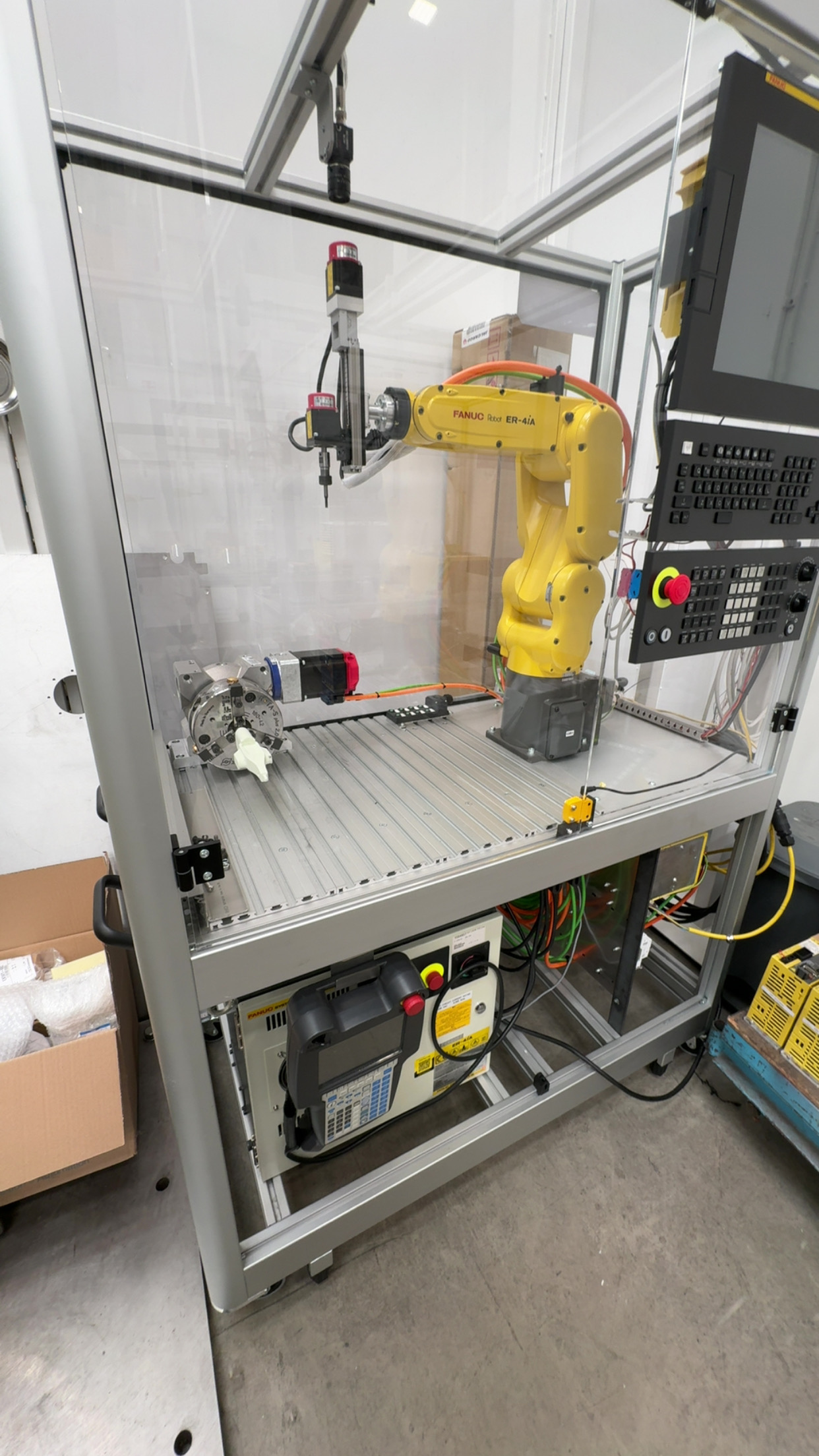
Robot cell and CNC integration environment

Typical platform scope

  • FANUC handling workflows
  • FANUC ARC processes and related cell behaviour
  • RoboGuide-assisted proving and planning
  • Cell-level PLC integration and handshake structure

Typical outputs

  • Cell state model and handshake map
  • IO schedule aligned to terminals and devices
  • Alarm list with recovery actions
  • Commissioning checklist and staged proving evidence
  • As-built notes and handover references

How I commission

Prove the cell in stages instead of discovering every problem at the same time.

1) Define cell states

Set acceptance around ready, run, hold, stop, abort and recovery before the automatic cycle becomes the focus.

2) Prove safety first

Validate guarding, permissives, intervention logic and safe restart behaviour before the cell gets crowded with variables.

3) Validate handshakes

Check command, acknowledge, timeout and fault behaviour with dry proving before trusting the full cycle.

4) Inject faults deliberately

Recovery is tested intentionally so abnormal states are understood before production discovers them first.

Linked projects

Engineering write-ups where the robotics and cell-integration layer is visible in context.

What good robotics work changes

Less mystery between the robot, PLC and the people operating the cell.

The robotics layer earns its value when the safe state is obvious, the next action is explainable, the fault path is traceable and the recovery steps do not rely on memory. That is what cleaner state design, better handshakes and staged commissioning actually buy you.

The result is a cell that can be trusted, not just a robot that can move.

Safer intervention
Faster proving
Clearer recovery
Better uptime
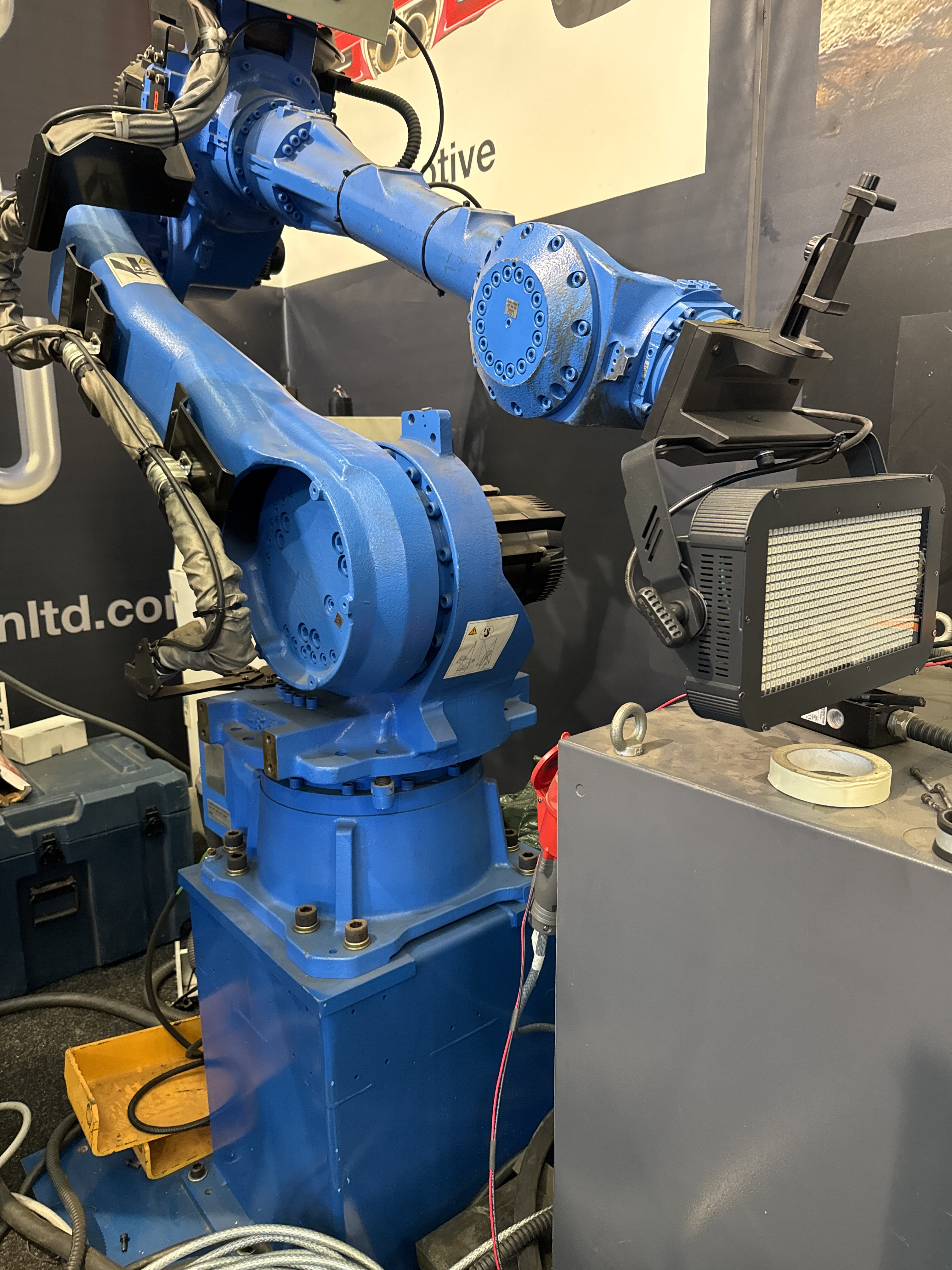
Simulation and cell layout planning
Enquiries

Send the robot make, controller, cell task and the main constraints.

Useful first context includes the robot and controller type, part flow, guarding concept, manual intervention points, acceptance criteria and any downtime or production limits that shape the commissioning plan.

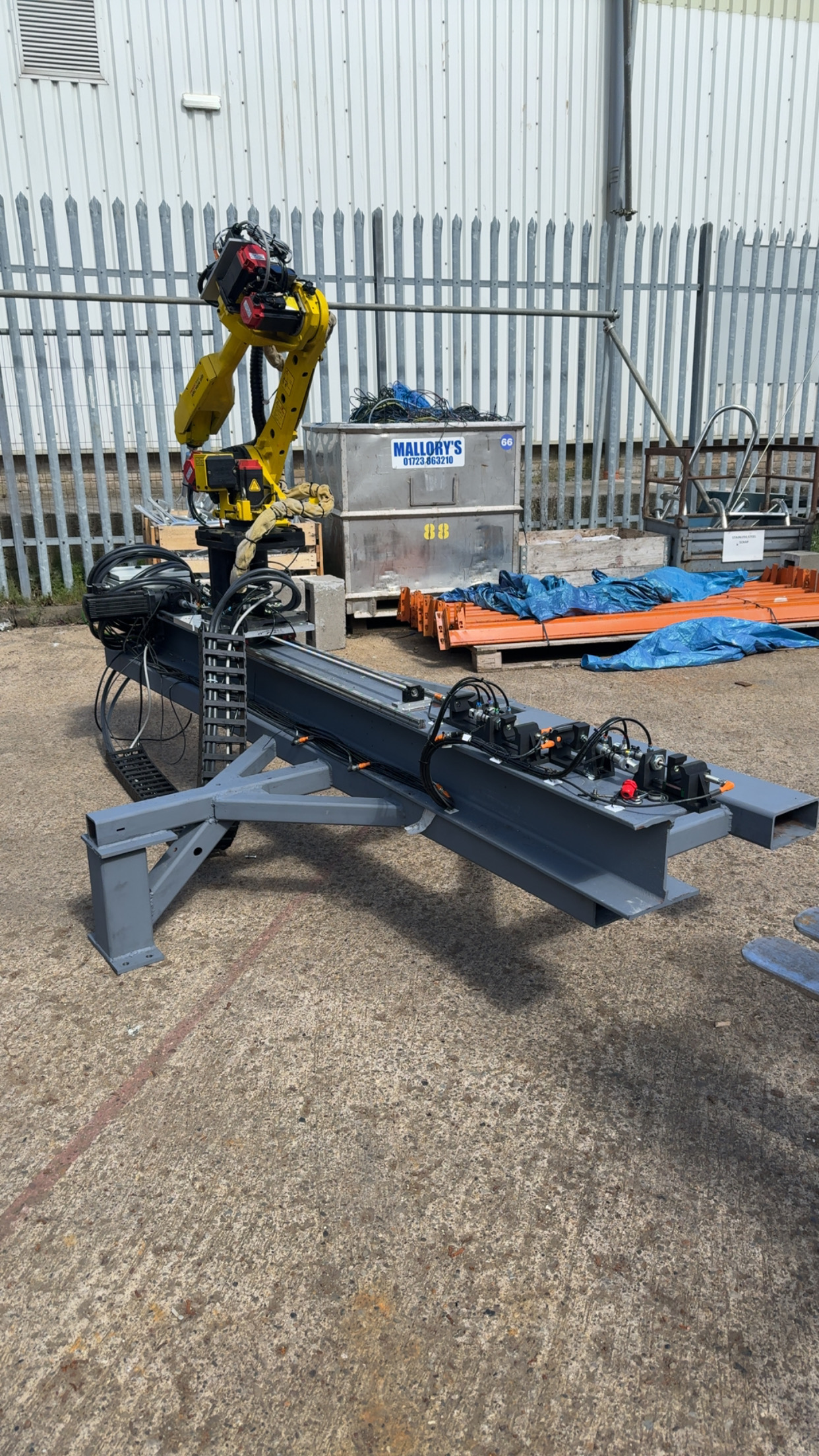
Robot cell environment