George Pickering
Controls • Motion • Robotics • Stage engineering
Mechanical structure and fabrication work
Mechanical • Scarborough, UK • Worldwide

Mechanical design that builds cleanly and commissions faster.

Frames, mounts, bracketry, interfaces and fabrication detail designed around buildability, serviceability and clean integration, so wiring, sensors, guarding and commissioning do not become expensive afterthoughts.

Main priority Buildability and service access designed in early, not patched in later.
Best use Machines, rigs and retrofit work where interfaces, mounting and access decide how well the rest goes.
Engineering value Cleaner assembly, fewer clashes, better sensor placement and faster commissioning.
Typical crossover Mechanical work that directly supports wiring, controls, pneumatics, hydraulics and guarding.

How the mechanical layer changes the whole job

Mechanical work matters most when it reduces friction for every other discipline. Good structure, access and interface detail make electrical work cleaner, controls easier to commission and future maintenance far less painful.

CAD development and working volume design
Approach

Design around access, assembly order and integration from the start.

Mechanical work becomes far easier to support when the details are handled early: where sensors mount, how cables pass, what needs to be adjustable, what has to come apart for service, and which parts must locate accurately without turning assembly into guesswork.

That is the value of a controls-aware mechanical approach. The result is not just a frame or bracket that exists on paper, but a build that cooperates with wiring, guarding, tooling, maintenance and commissioning.

Access-first
Repeatable assembly
Sensor-friendly layouts
Serviceable design

What I deliver

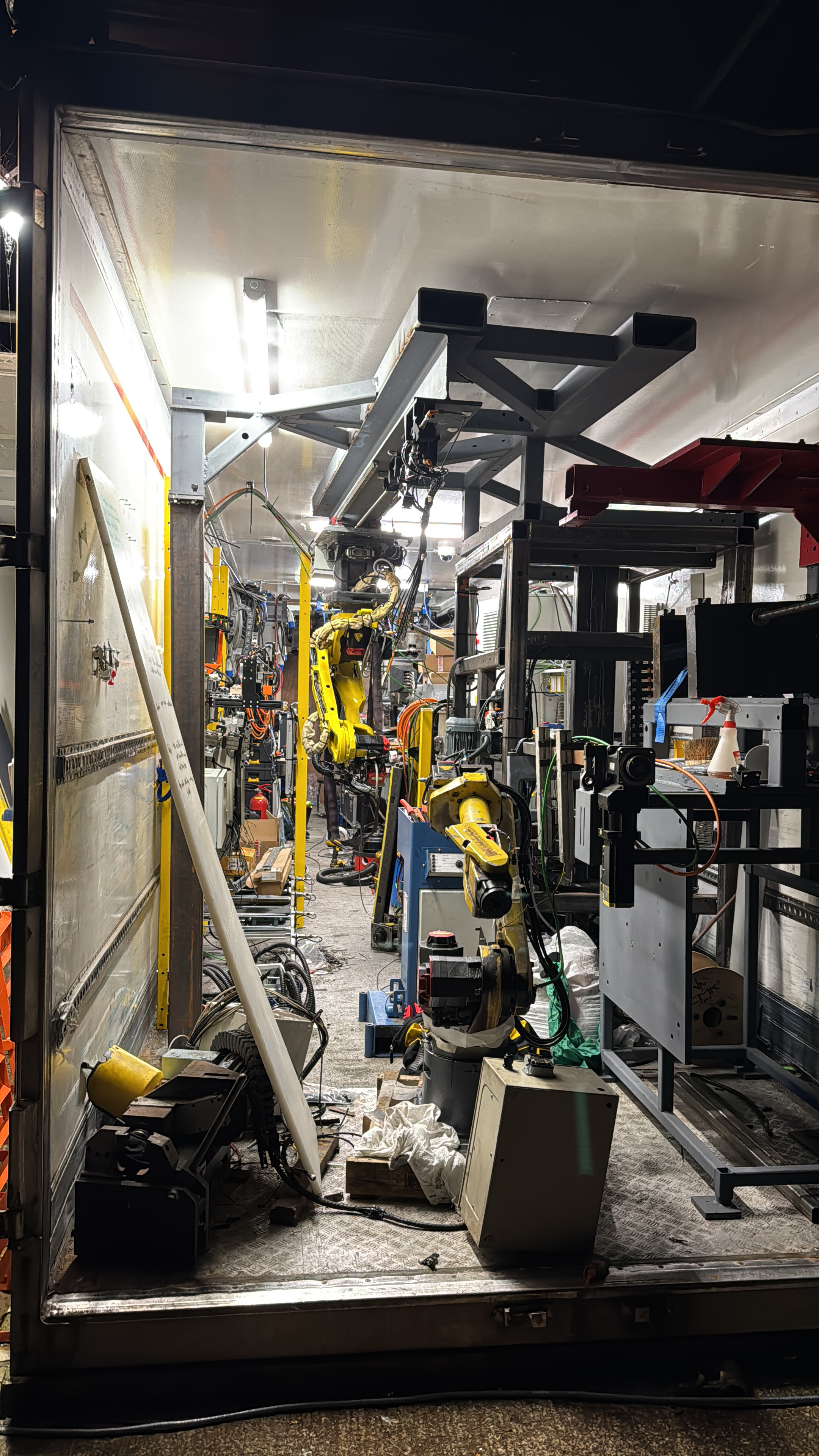
Mechanical work that respects real-world constraints: access, cable routing, sensor placement, guarding and repeatable assembly.

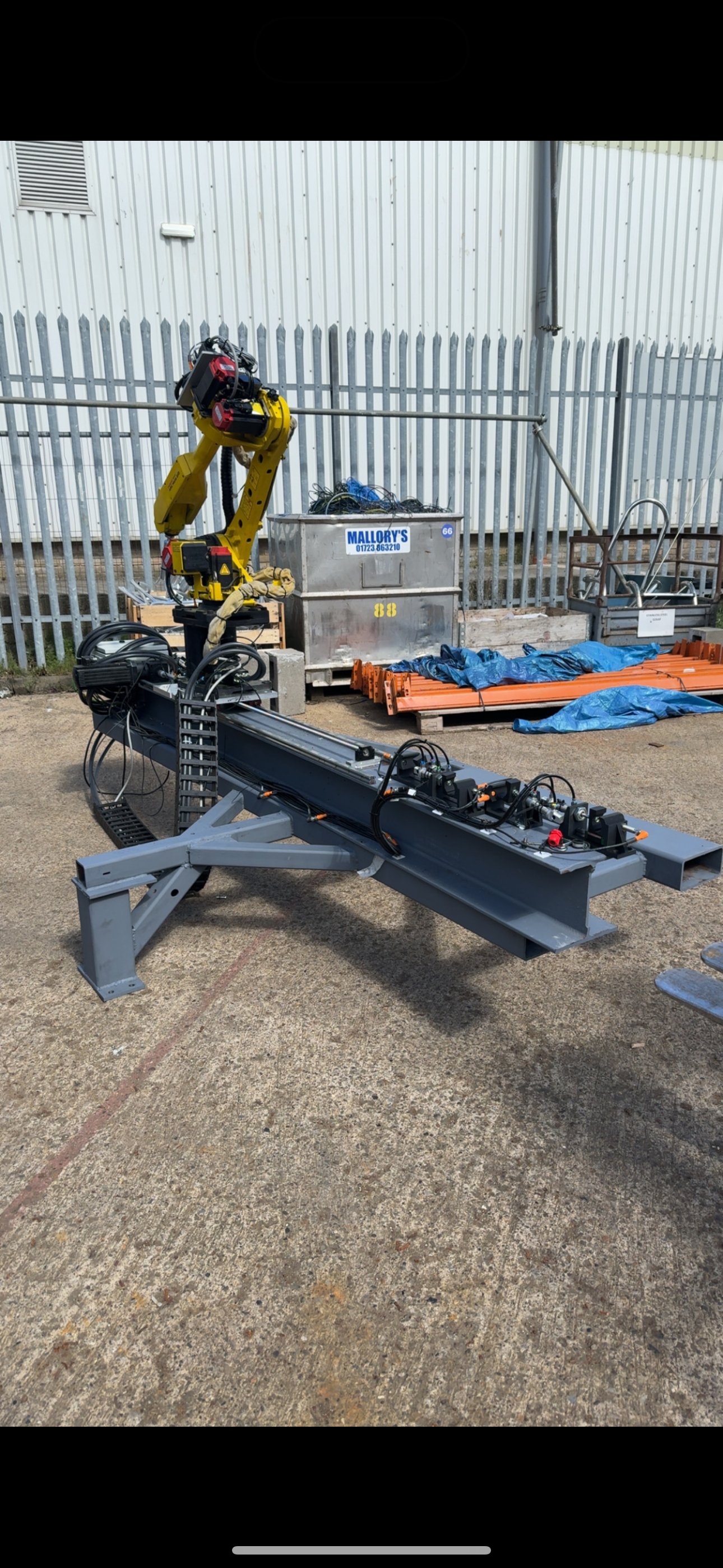
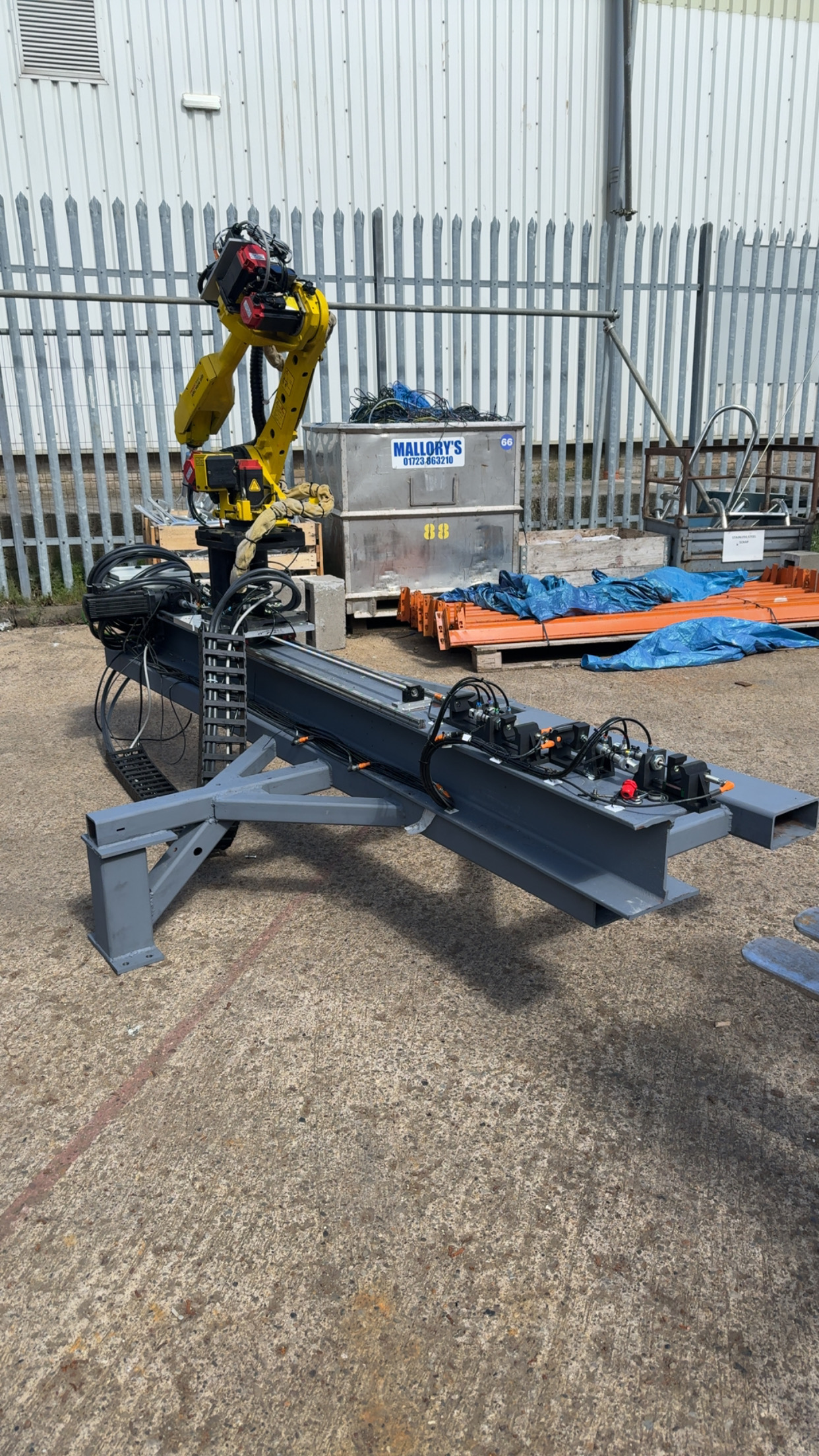
Frames and structures

Practical structures designed for stiffness, access and maintenance, with sensible datum strategy and repeatable assembly.

Brackets, mounts and interfaces

Sensor mounts, cable support, EOAT and tooling bracketry, plus the last-metre details that stop integration becoming guesswork.

Machining and fabrication

Rapid iteration for prototypes, modifications and retrofit support work where real hardware needs to move quickly.

DFM / DFA improvements

Alignment features, fastener access, reduction of unique parts and assembly steps that can be repeated without tribal knowledge.

Serviceability by design

Access to sensors, valves, fittings and adjustment points so faults and maintenance do not require unnecessary disassembly.

Controls-aware mechanics

Mechanical layouts designed alongside controls, wiring and guarding so the whole system commissions more cleanly.

Scope and fit

Often the mechanical layer is what makes a re-control or integration succeed cleanly.

Most retrofit and integration work needs some mechanical support: sensor relocation, bracketry, interface plates, cable-route improvements, guarding changes or simple toolhead modifications. Handling those details directly makes the electrical and software work far easier to commission without compromise.

Where a project becomes a larger redesign with specialist structural requirements, that boundary is defined clearly up front so scope, responsibilities and delivery remain predictable.

Mechanical concept and rig interface work

Typical scope

  • Brackets and mounts for sensors, actuators and operator devices
  • Adapter plates and interface features for retrofit work
  • Guarding interfaces, access panels and layout tweaks
  • Jigs, fixtures and repeatability features for trials or assembly

When it becomes a larger redesign

  • Formal structural or architectural sign-off requirements
  • Large fabricated structures or specialist processes
  • High-consequence lifting or rigging systems requiring formal certification

Those cases can still be supported, but the line between direct delivery and specialist sign-off stays clear.

How I work

The mechanical decisions are led by the constraints that make or break the build later.

1) Constraints first

Access, loads, datums, tolerances, cable routes, guarding and sensor needs are defined before detail work expands.

2) Buildability

Assembly order, fixing access, alignment strategy and workshop practicality are designed in early.

3) Integration

Mechanical decisions are checked against the controls, wiring and service routes they need to support.

4) Service life

The outcome should be obvious to maintain and safer to modify later, not just quick to bolt together once.

Linked case studies

NDA-safe write-ups focused on constraints and outcomes. Some identifying details may be omitted where required.

What good mechanical work changes

Less clash, less rework, faster install, cleaner support.

The mechanical layer has a habit of deciding whether the rest of the project feels controlled or messy. When access, interfaces and service routes are resolved early, the electrical and controls work becomes more stable, the commissioning sequence shortens and later modification gets easier.

That is the real payoff: a cleaner overall engineering result, not just better-looking CAD.

Fewer clashes
Cleaner installs
Easier servicing
Better handover
Mechanical structure and fabrication
Enquiries

Send the job, the constraints and what it has to integrate with.

The most useful starting point is what the machine, rig or structure has to achieve, the main space or access constraints, and what has to connect to it: sensors, wiring, guarding, pneumatics, hydraulics, tooling or motion hardware.

Mechanical structure and fabrication work