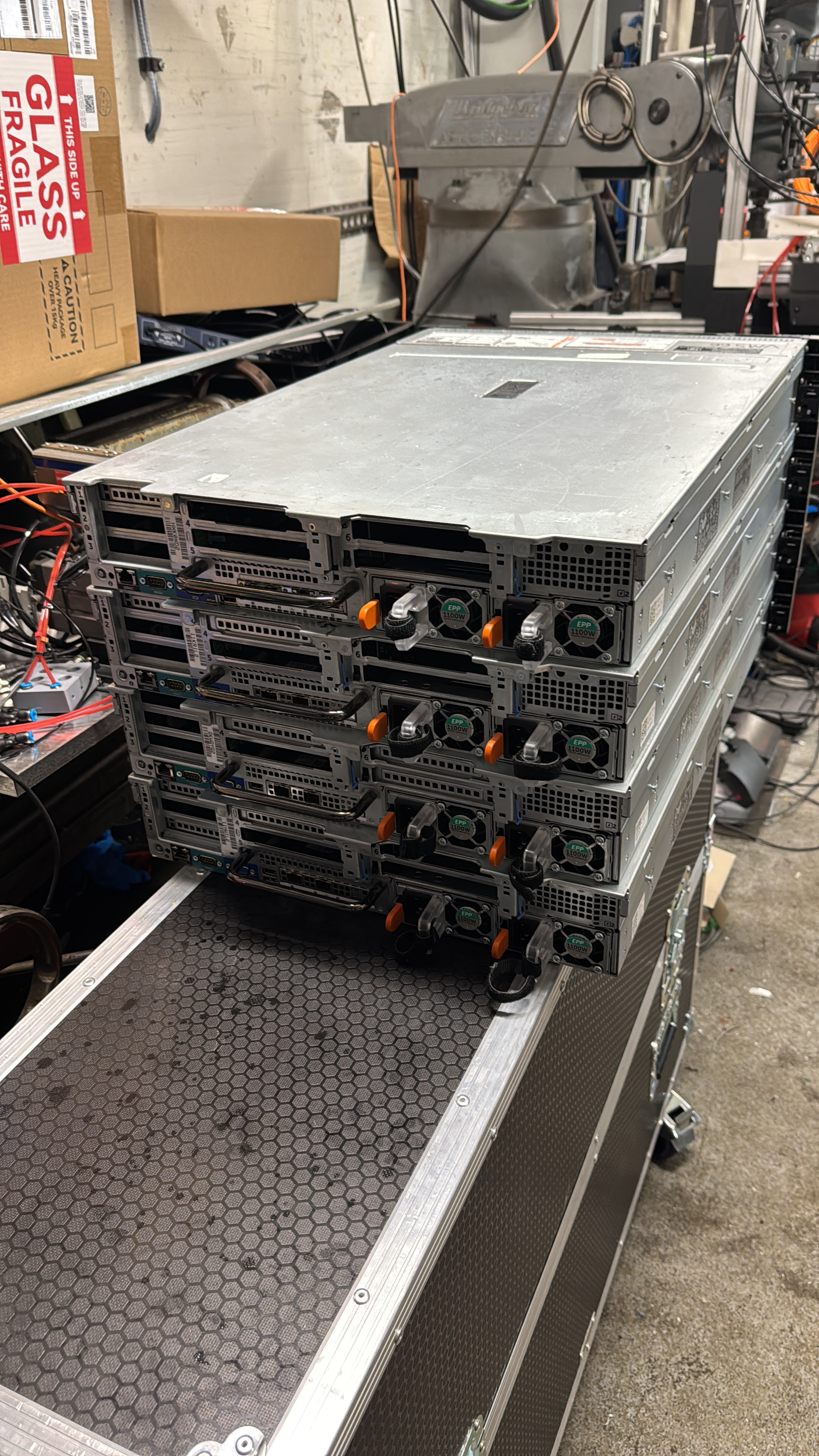
The energy requirements of large AI infrastructure are beginning to reshape industrial supply chains in ways that matter for automation engineers — even if it doesn't feel connected yet.
The scale of energy demand from data centre buildout for AI training and inference has become a meaningful factor in industrial planning. New data centres require transformers, switchgear, UPS systems, cooling infrastructure, and power distribution equipment — all manufactured by the same supply chains that serve industrial automation.
The concrete effect
Lead times on large transformers and high-voltage switchgear have extended significantly in the last two years. For some equipment categories, what was a 12–16 week lead time is now 18–30 months. The hyperscale data centre buildout is consuming a significant fraction of available manufacturing capacity for this equipment.
For industrial projects that require high-voltage infrastructure — new substations, large motor drives, HV switchgear — this creates a real planning constraint. If you're scoping a re-controls project or a new automation line that needs significant power infrastructure, the electrical supply chain needs to be in the critical path of your project plan much earlier than it used to be.
"Your automation project's critical path might now run through an HV transformer that's 18 months out — plan accordingly."
What to do about it
For most small-to-medium automation projects, the direct impact is limited — you're not typically competing for 10MVA transformers. But the knock-on effects on copper pricing, steel, and ancillary electrical components are real and worth factoring into project cost estimates.
The practical advice is the same as always: if there's long-lead electrical infrastructure in your project scope, enquire early. Get a lead time before you commit to a project schedule. The difference between a 16-week and a 28-week transformer lead time is the difference between a project that completes on time and one that doesn't.
The broader point is that the energy demands of AI infrastructure are now a supply chain factor for industrial engineering, even if the connection isn't obvious from inside a machine shop or a control panel build.