George Pickering
Controls • Motion • Robotics • Stage engineering
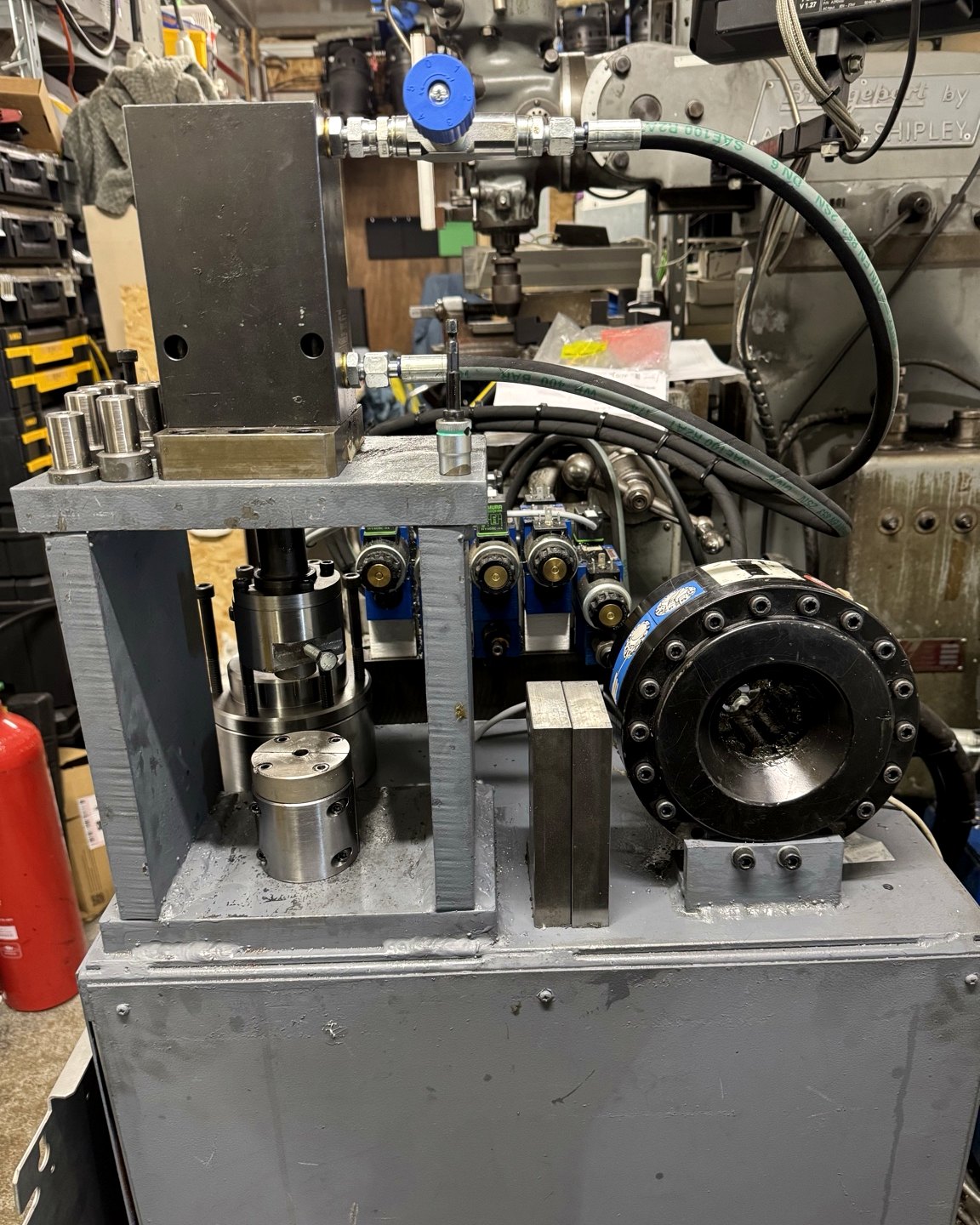
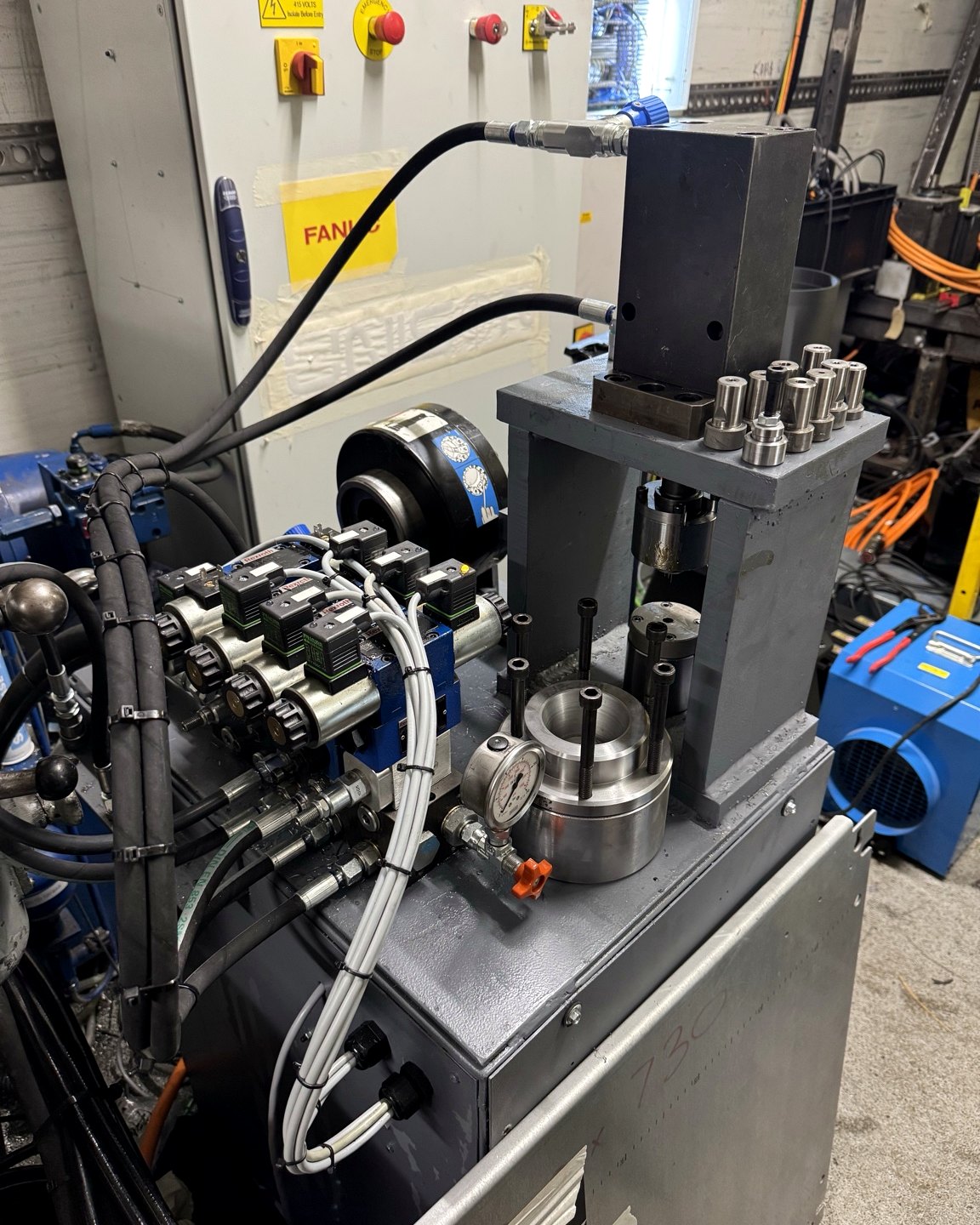
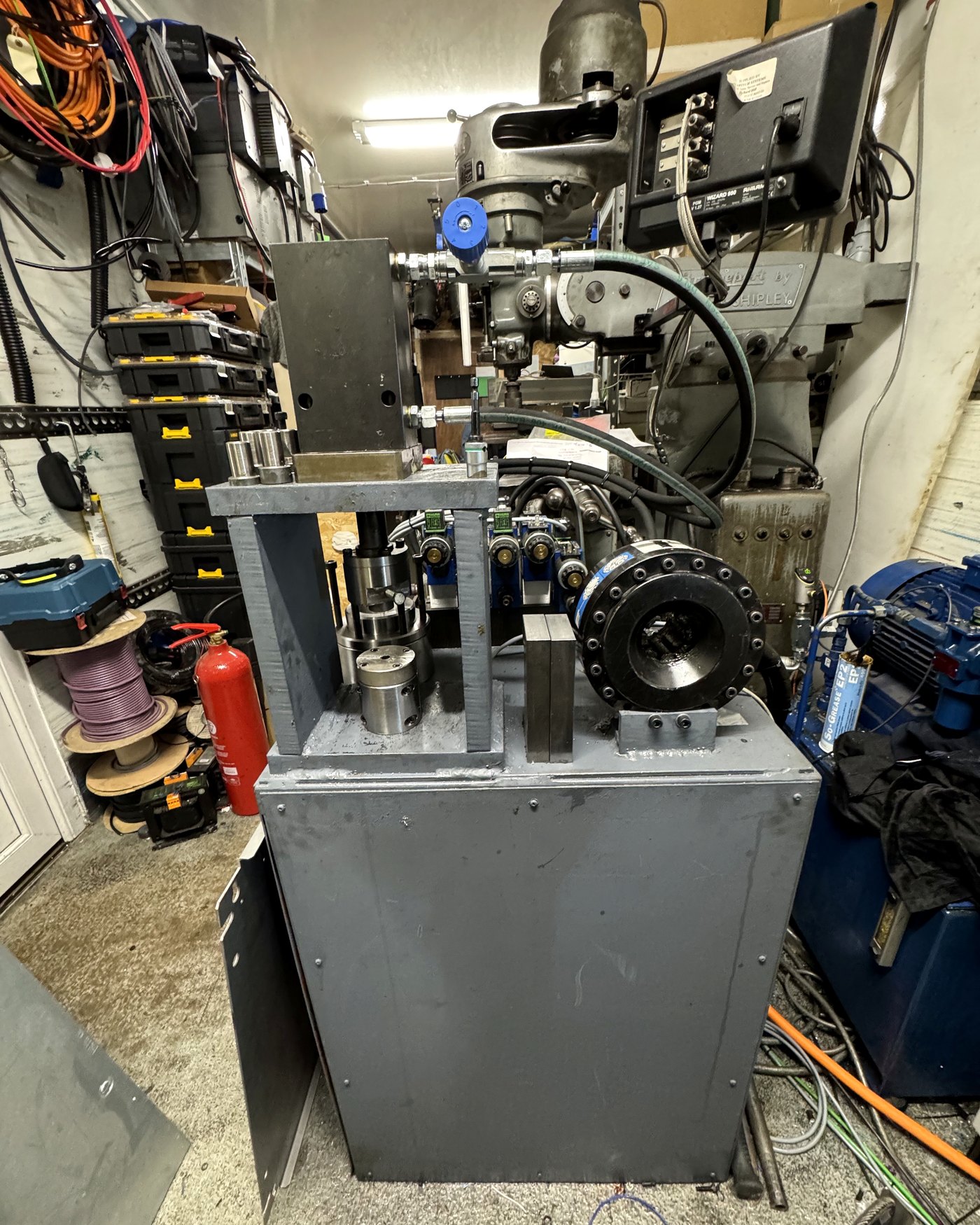
Hydraulic pressing and crimping rig concept
Case Study • Hydraulic pressing and crimping rig

Delivered under a weekend deadline without becoming a one-off mess.

This rig had to be trial-ready almost immediately: parts arrived on Saturday morning and the system was needed for Monday trials. Mechanical build, hydraulic integration, controls wiring and commissioning all had to land together, but the result still needed to remain understandable and stable enough for repeated use.

Timeline Saturday parts arrival to Monday trial readiness.
Main challenge Deliver speed without leaving behind a rig that only one person could understand.
Scope Mechanical build, hydraulic integration, controls wiring and practical commissioning.
Outcome target Stable, repeatable trial use with clear operating behaviour and supportable layout.

Why this kind of fast build usually goes wrong

Compressed projects often succeed once and then become difficult to repeat, diagnose or explain. The engineering work here was not just making the rig move. It was making it usable under pressure on the first real trial day.

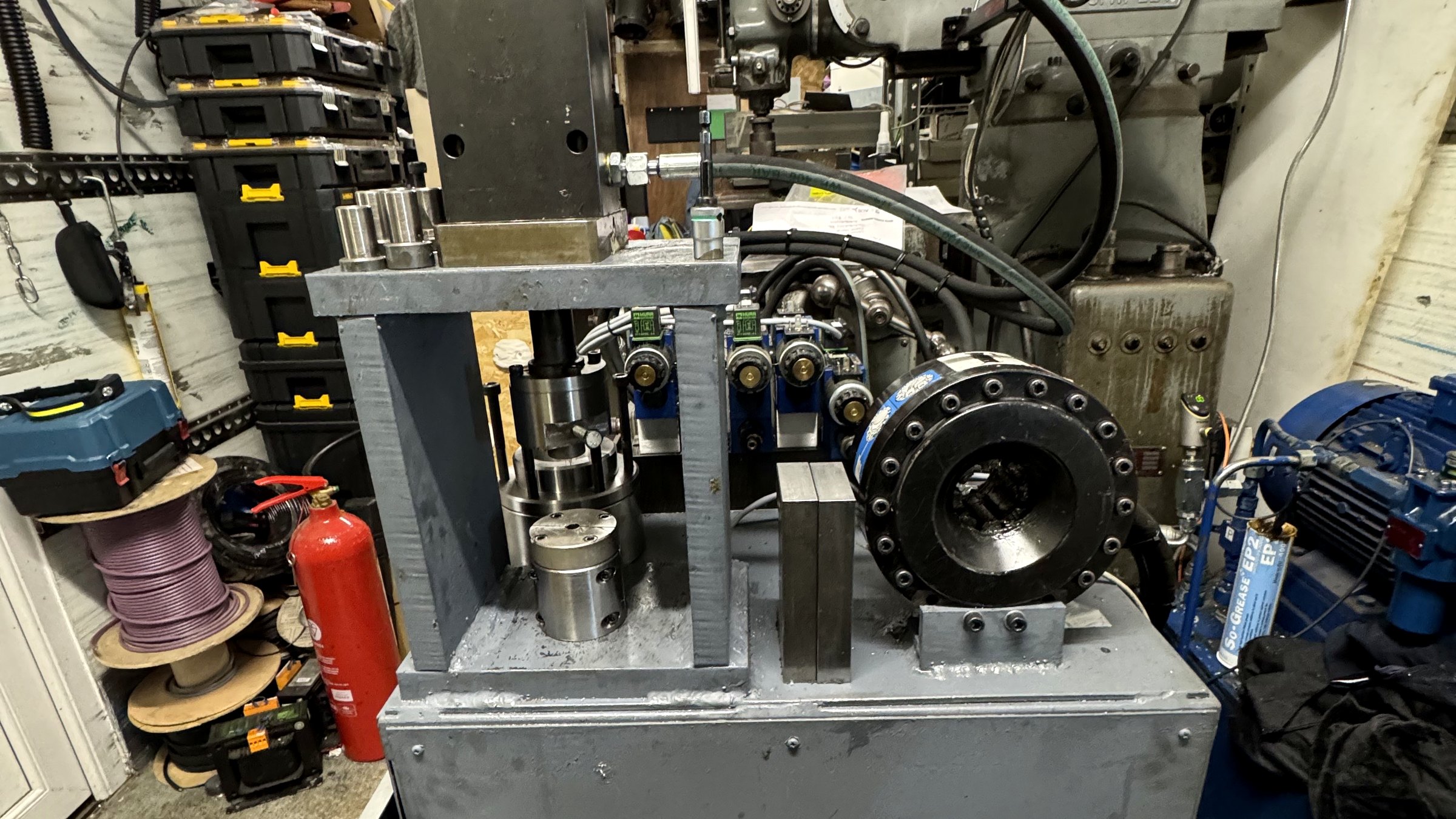
Hydraulic pressing and crimping rig concept
Overview

Speed mattered, but supportability still had to survive the build.

This project was delivered as one joined-up system rather than a pile of disconnected tasks. Mechanical structure, hydraulic integration, controls, routing and commissioning were all shaped by the same constraint: the rig had to be useful immediately and still remain understandable once the deadline had passed.

That is what made the difference between simply hitting the date and actually leaving something trial teams could work with confidently.

Compressed timeline
End-to-end integration
Stable trials
Clearer handover

Brief

Deliver a hydraulic pressing and crimping rig suitable for immediate trials, with only core hydraulic items supplied and the rest of the build, integration and commissioning needing to be completed at speed.

Engineering constraint

The build could not rely on “we will tidy that later” decisions. Layout, controls and routing had to be good enough on day one to support repeated testing and rapid adjustments during trial use.

Capability areas delivered together

This was not just a fabrication job or just a controls job. The useful result came from joining the whole package up properly.

Mechanical build

Frame and layout arranged for access, hose routing and practical maintenance during trials.

Hydraulic integration

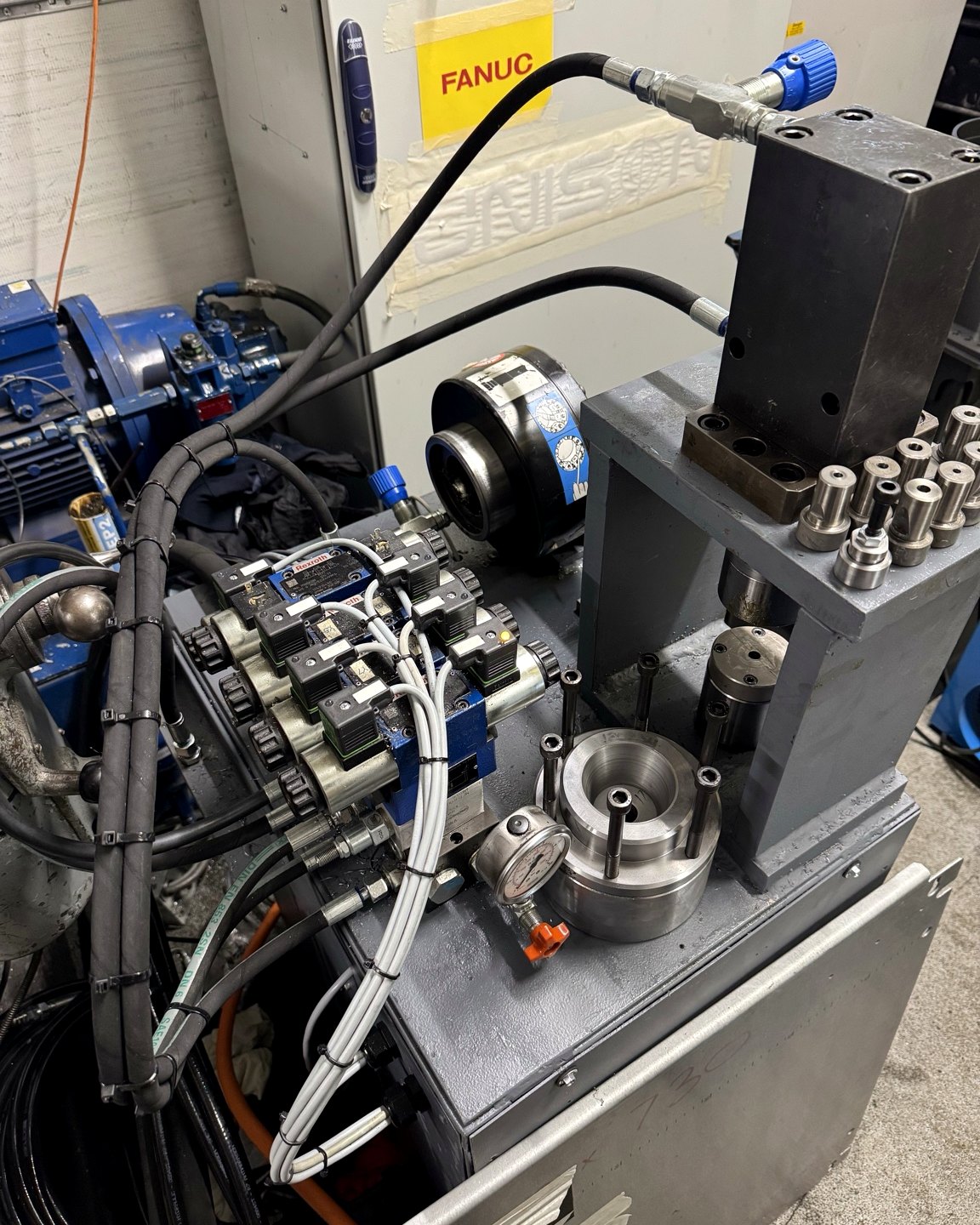
Plumbing integrated for predictable press behaviour and stable repeat cycles.

Controls wiring

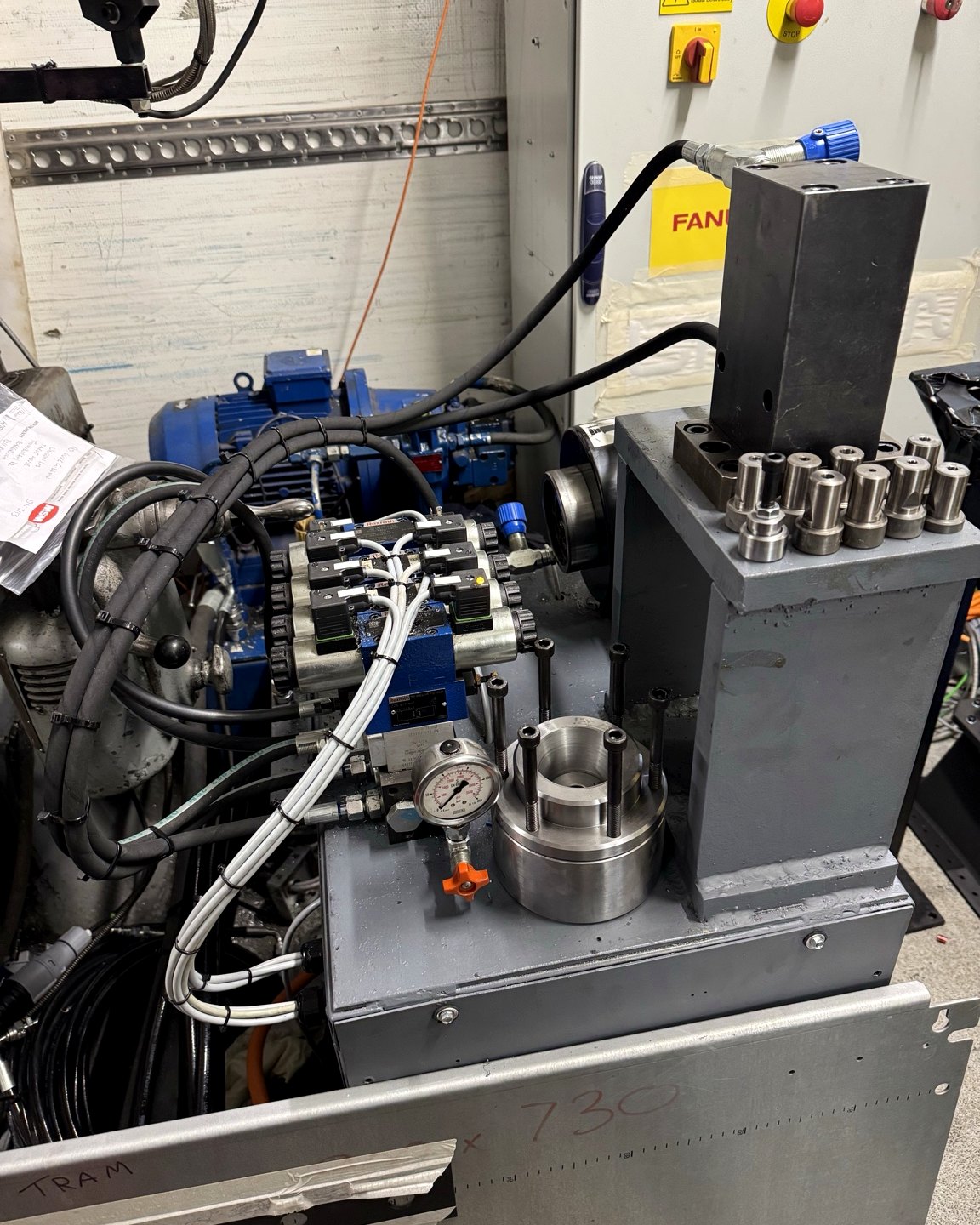
Operator controls and routing laid out so the rig remained understandable and fault-findable.

Sequence behaviour

Simple, supportable operating behaviour suited to trial work with sensible start, stop and recovery expectations.

Commissioning

Functional checkout, repeatability checks and practical tuning to leave the rig useful immediately.

Handover mindset

Built so trial operators and engineers could understand it on day one rather than inherit a rushed black box.

Outcomes

Delivered for trials without sacrificing clarity.

The common failure mode under short deadlines is to get something working once and leave the rest to luck. The choices on this rig were deliberately practical: clear control intent, accessible routing and behaviour that could be repeated without constant reinterpretation.

That made the rig useful not just for a single trial moment, but as a base that could keep supporting trial work.

Hydraulic rig build

Delivered result

  • Timeline achieved from Saturday parts arrival to Monday trial readiness
  • Stable, repeatable operation suitable for ongoing trials
  • Supportable layout for fast checks and adjustments during use
  • Joined-up mechanical, hydraulic and controls delivery

Engineering intent

The goal was to keep the rig explainable under pressure. When settings changed or conditions shifted during trials, the system needed to be easy to inspect, easy to reason about and quick to recover.

Confidentiality

Some identifying detail may be omitted where required. The delivery method and engineering standards shown here remain representative.

How it was delivered

A compressed build still needs discipline. The project flow was kept simple, direct and measurable.

Build sequence

  1. Confirm the trial objective and what “ready” actually meant
  2. Lay out structure for access, routing and safe operator use
  3. Integrate hydraulics for predictable actuation behaviour
  4. Wire controls and route signals for quick fault isolation
  5. Commission with practical repeatability and recovery checks

Typical outputs on similar rigs

  • Supportable control layout with clear device references
  • Basic operating guidance for trial staff
  • Known-good baseline settings and commissioning notes
  • Recommendations for the next design iteration
Enquiries

Send the trial objective, what parts already exist and the real time window.

The most useful first brief includes what the rig must achieve, which hydraulic and tooling components are already available, the control expectations and any space, power or safety constraints that shape delivery.

Hydraulic test rig build