George Pickering
Controls • Motion • Robotics • Stage engineering
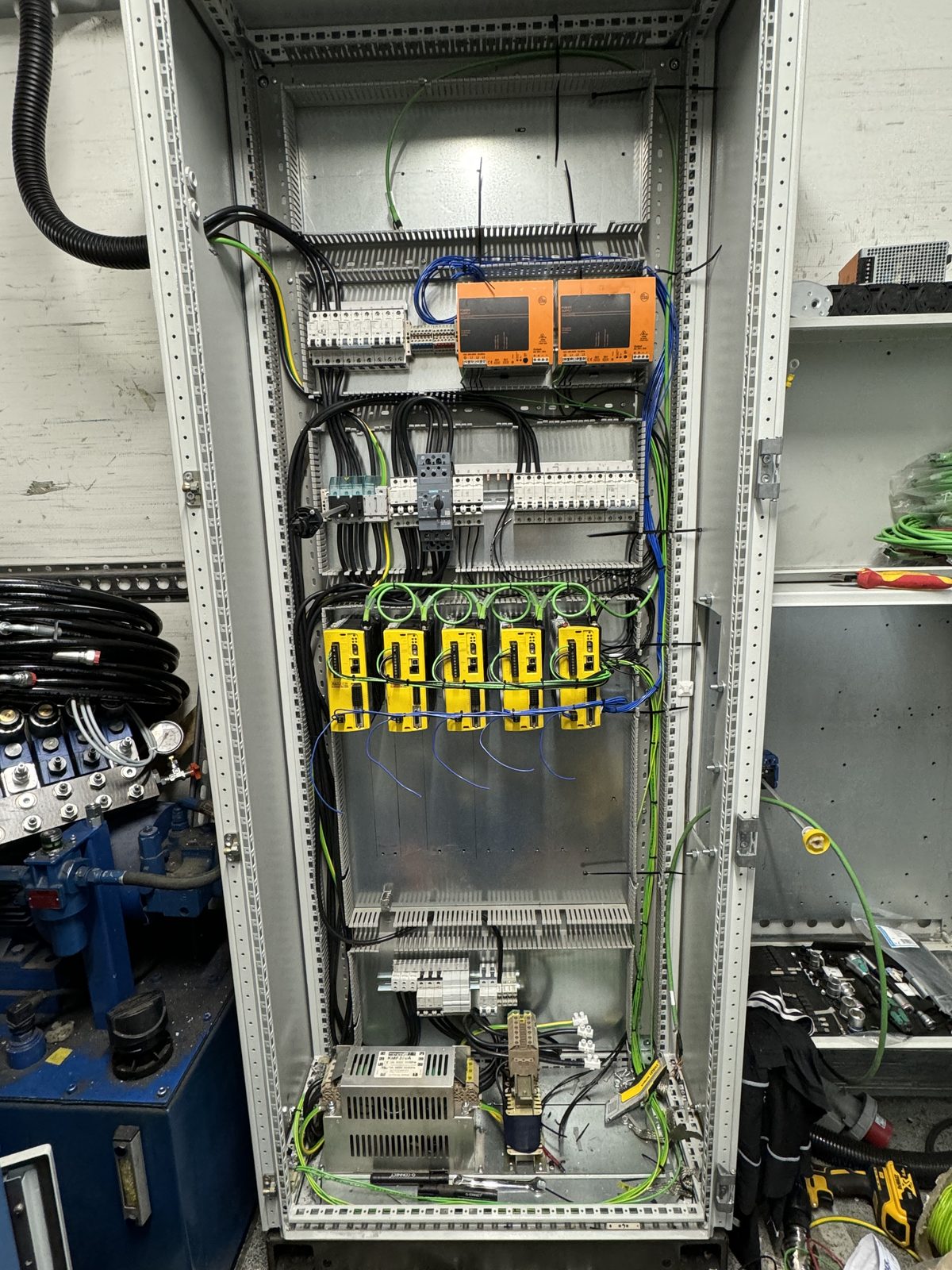
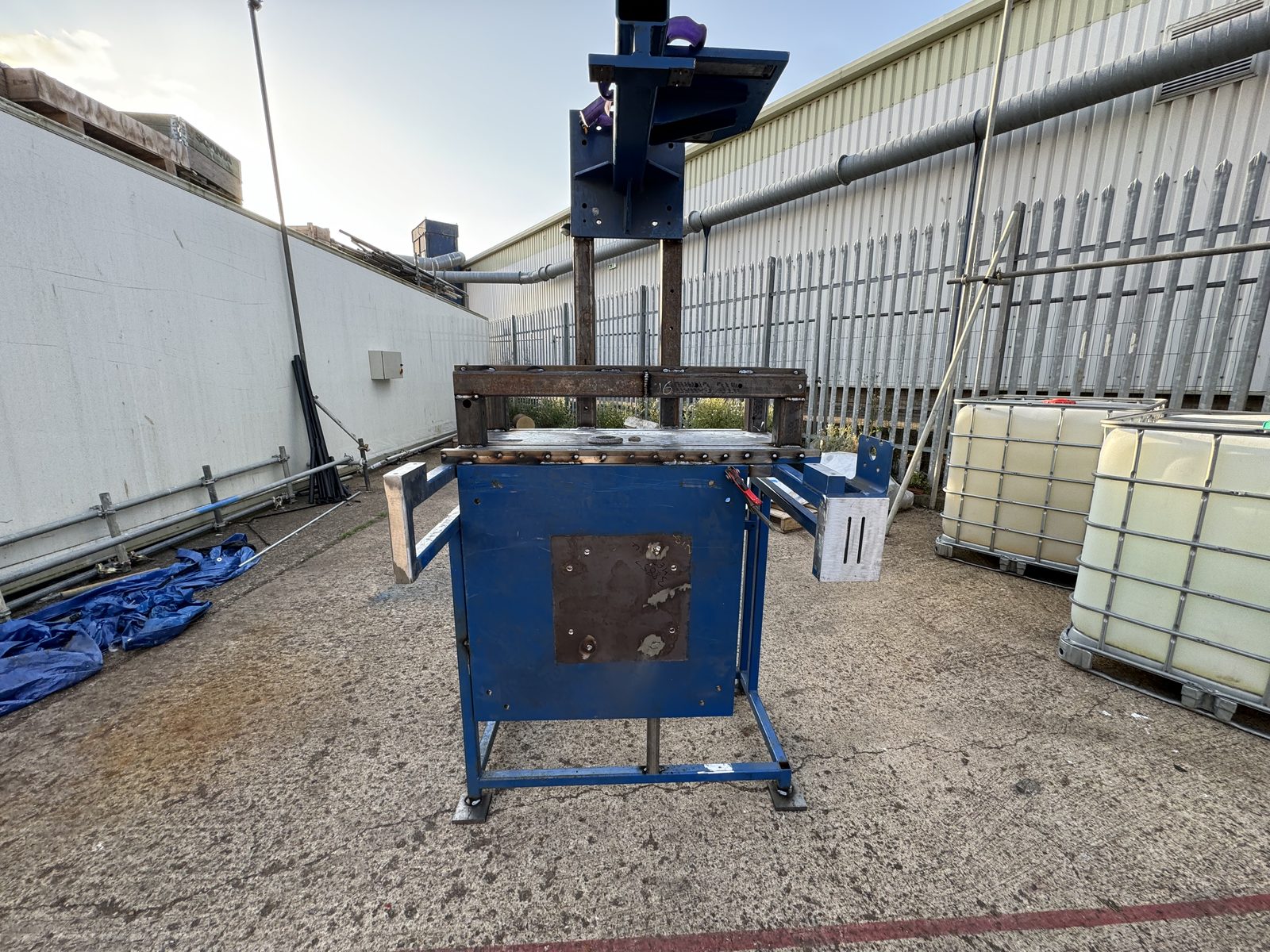
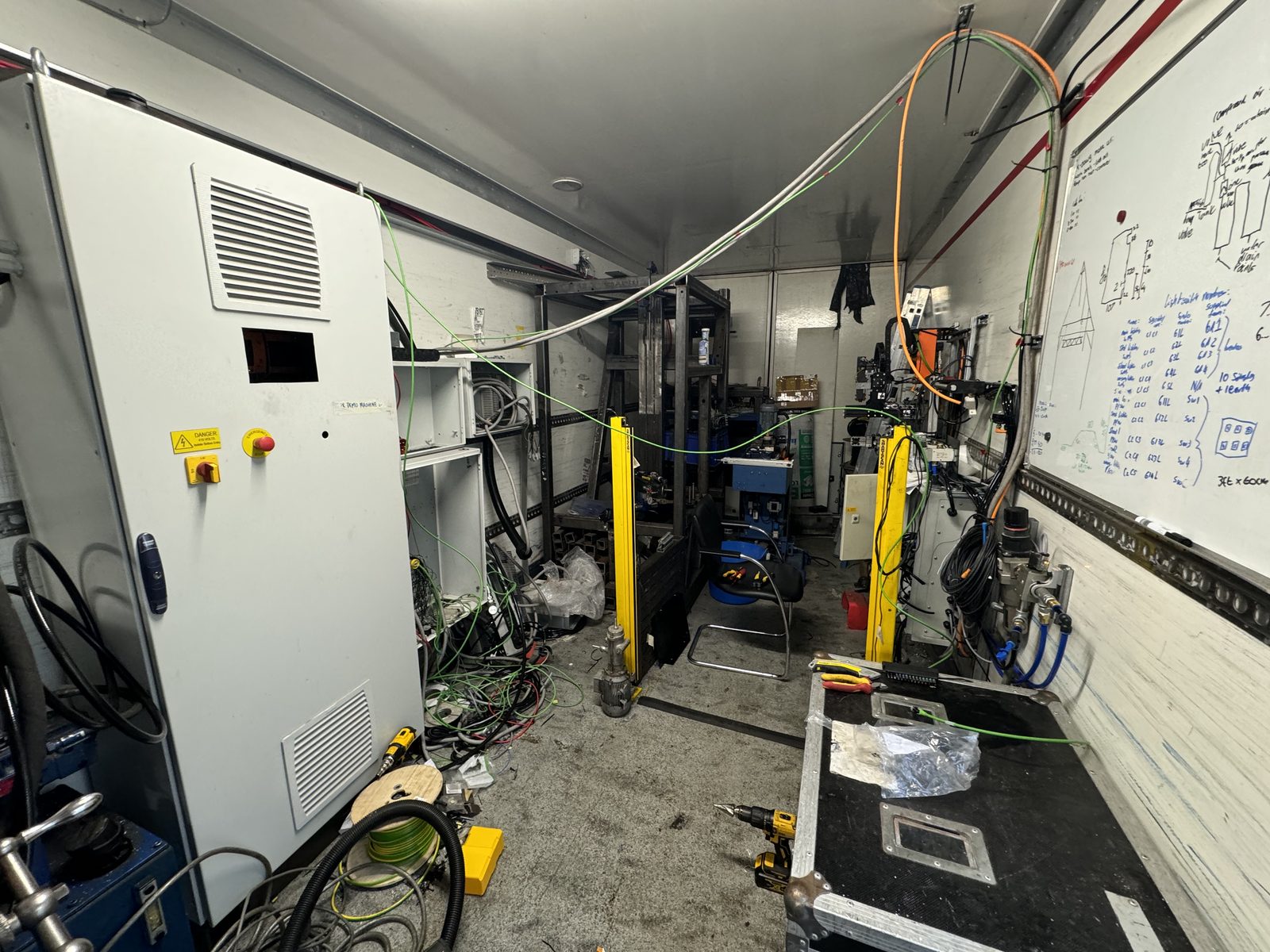
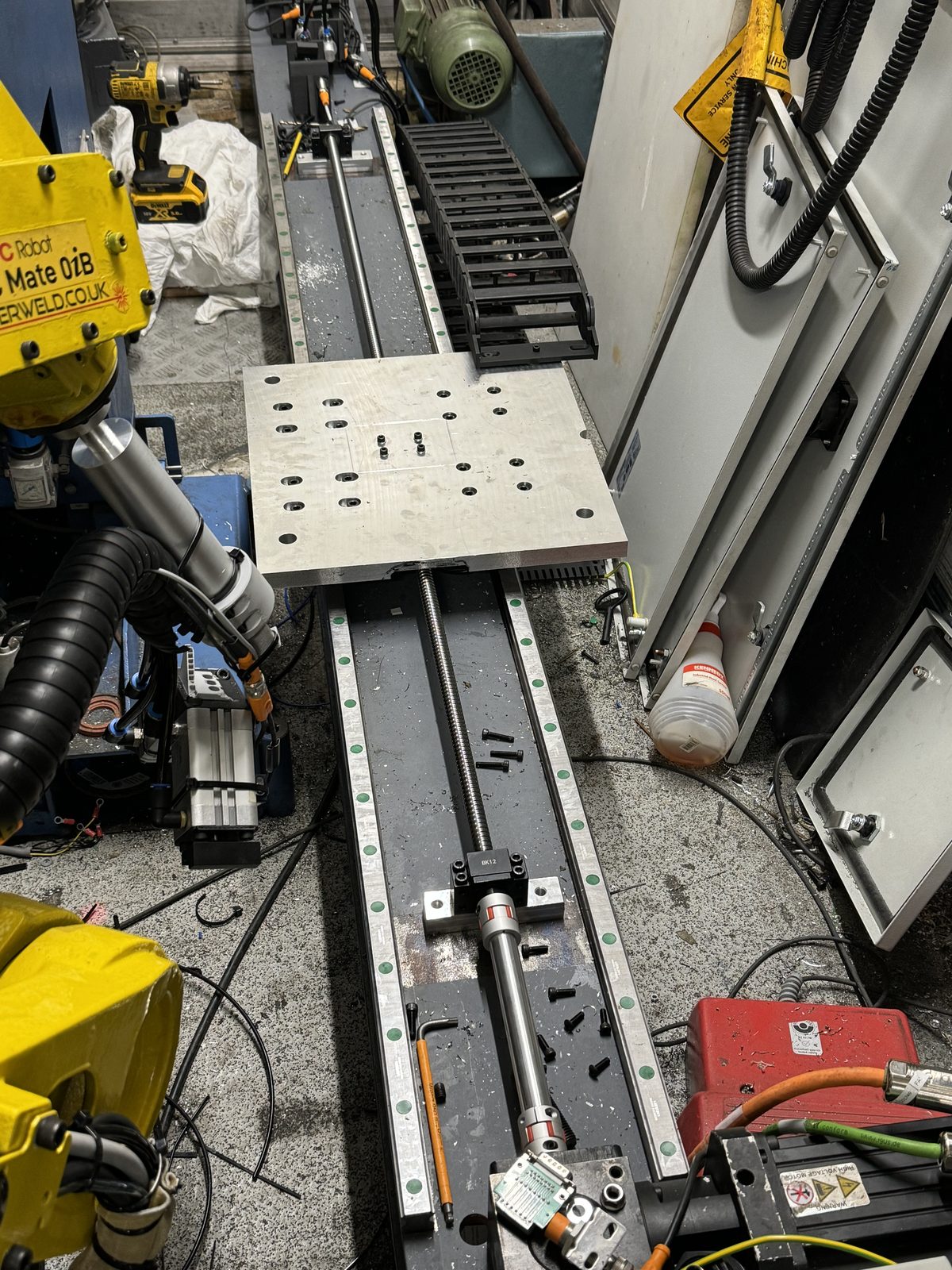
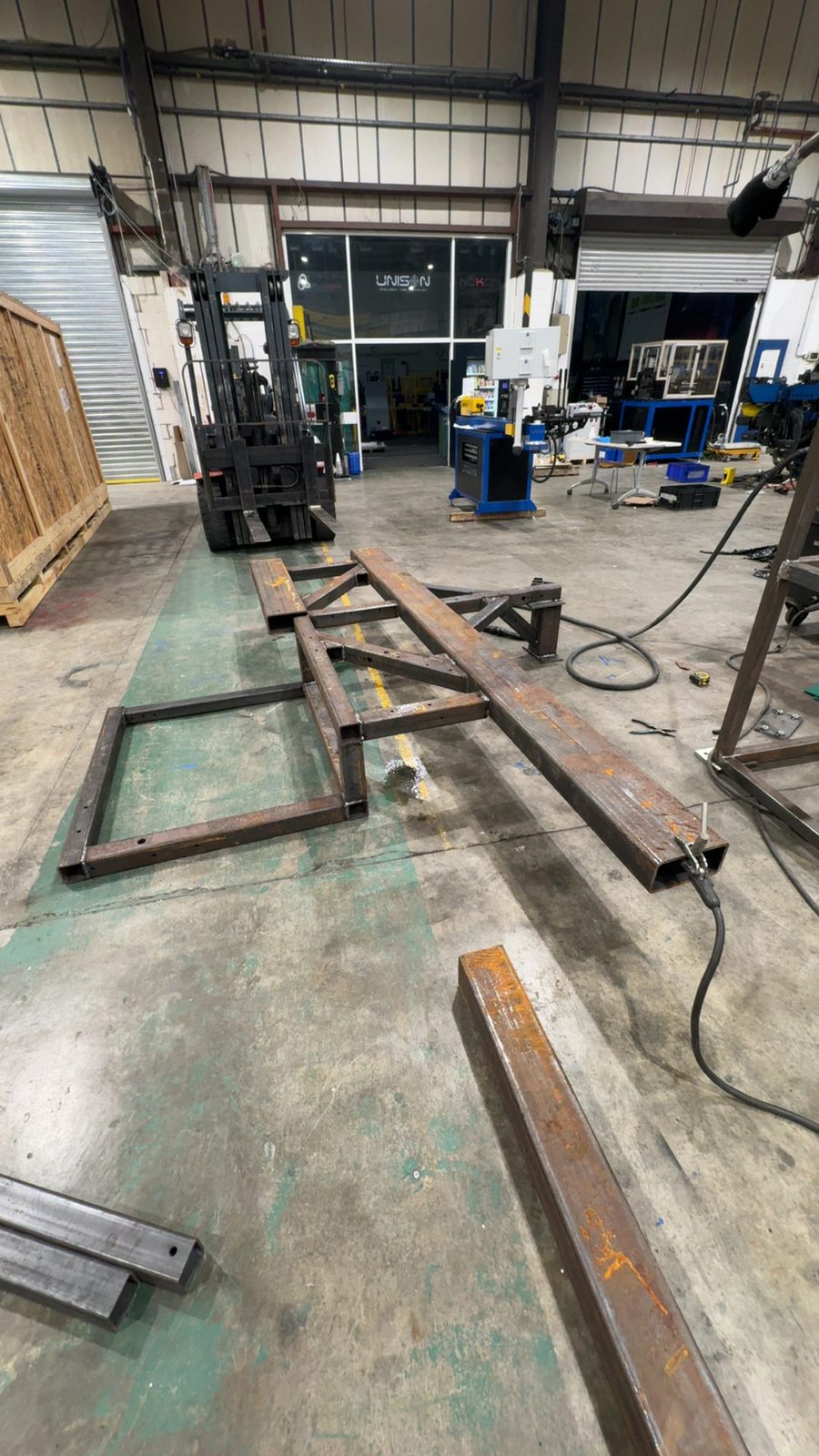
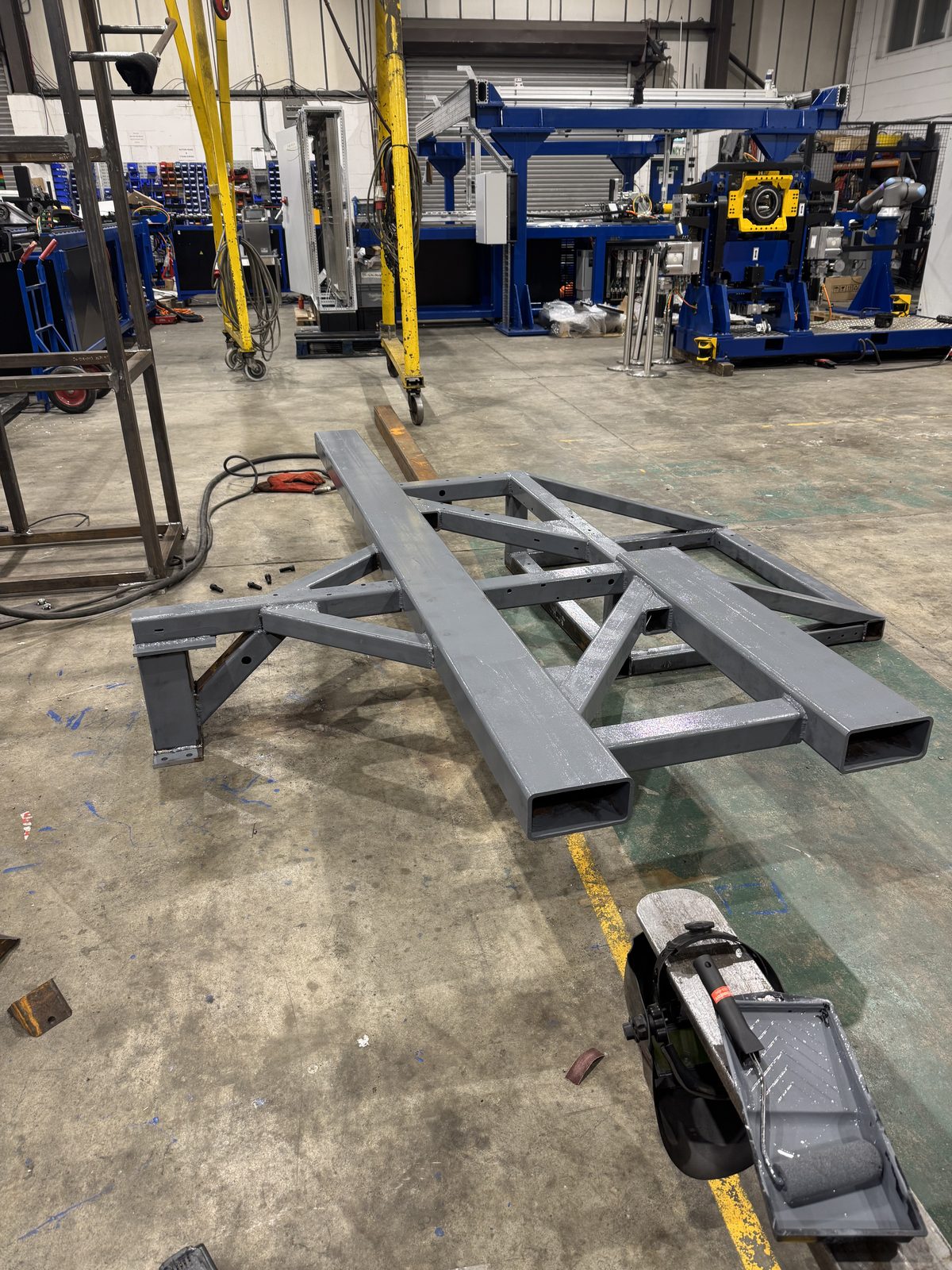
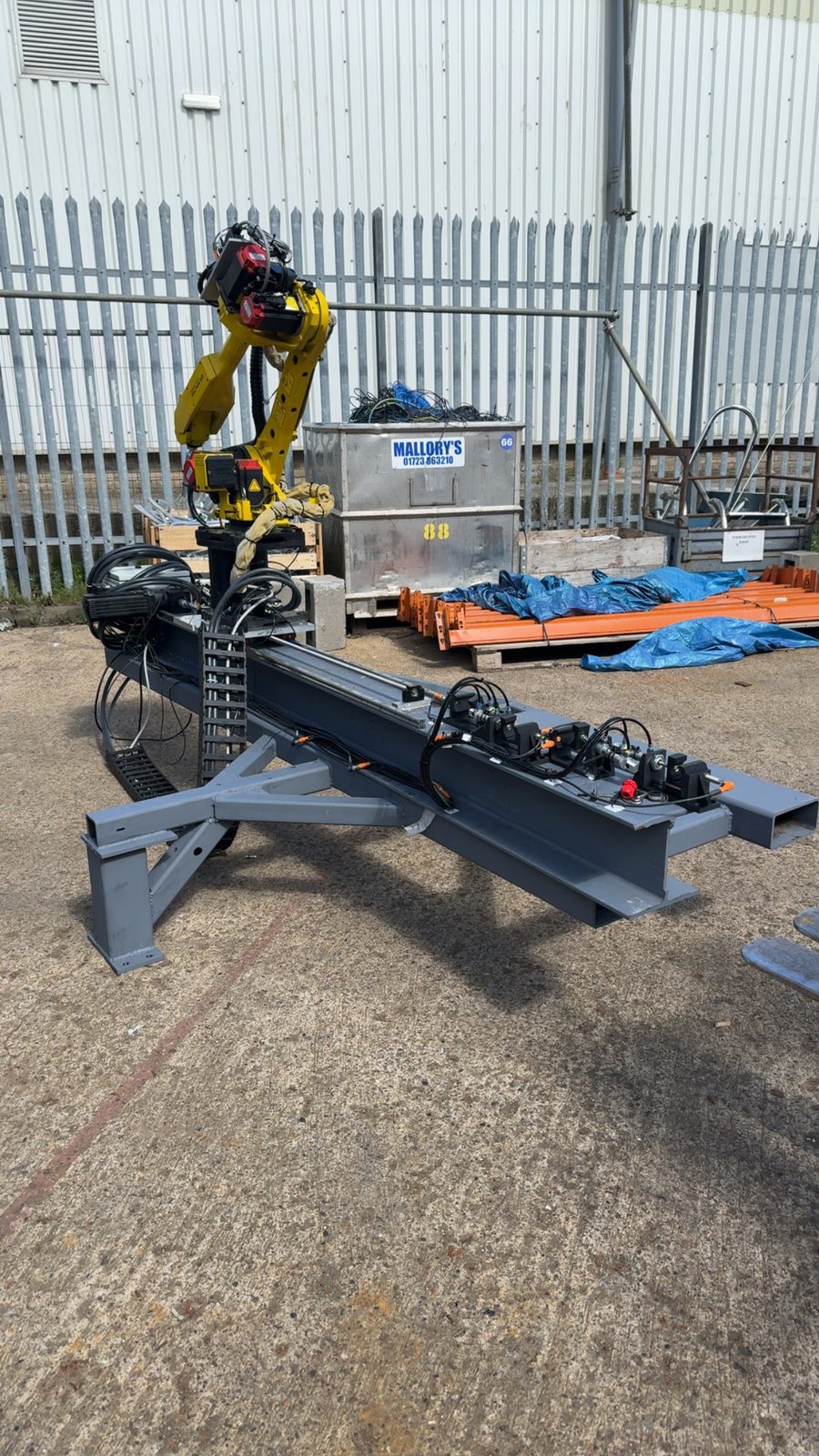
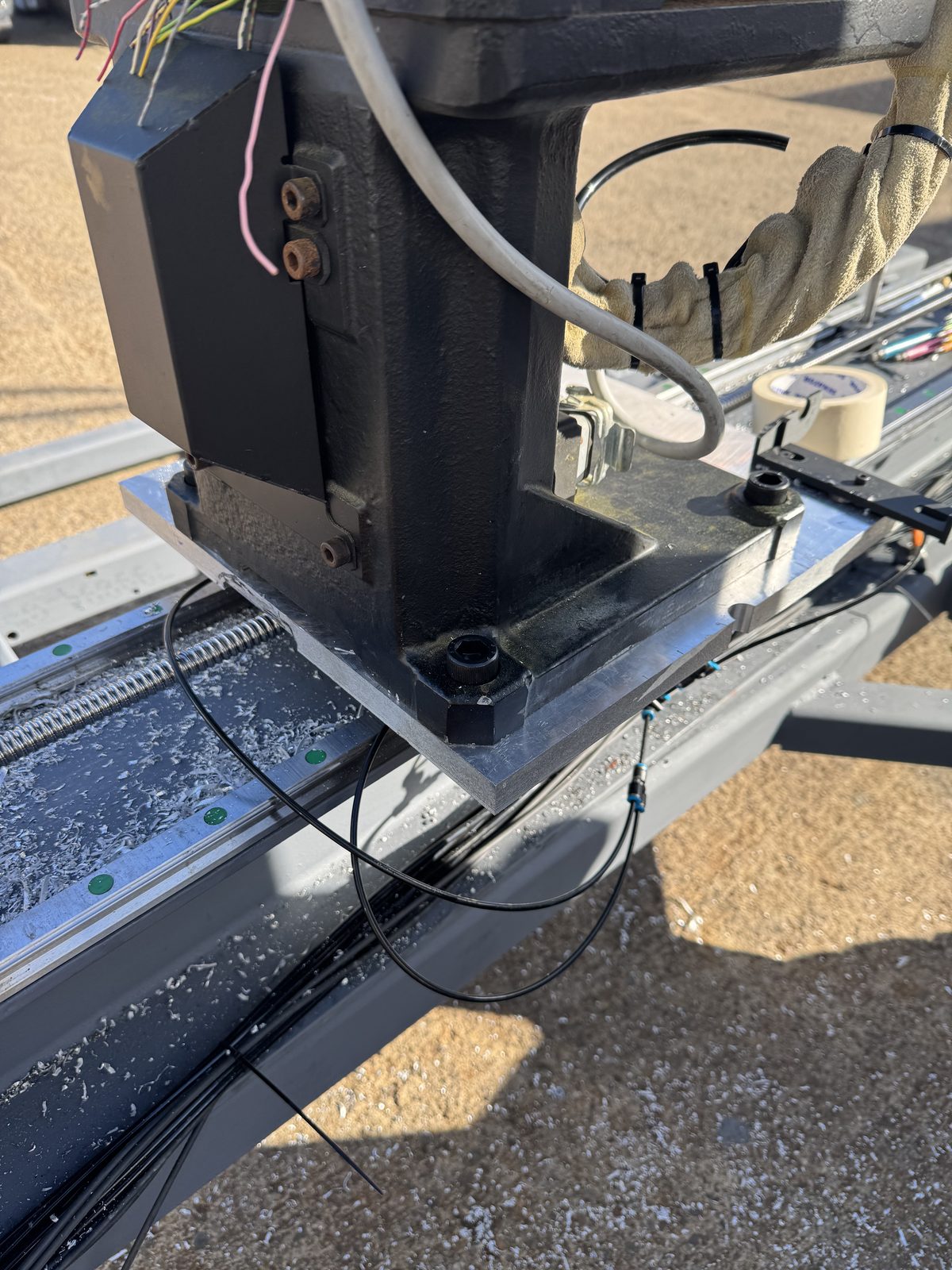
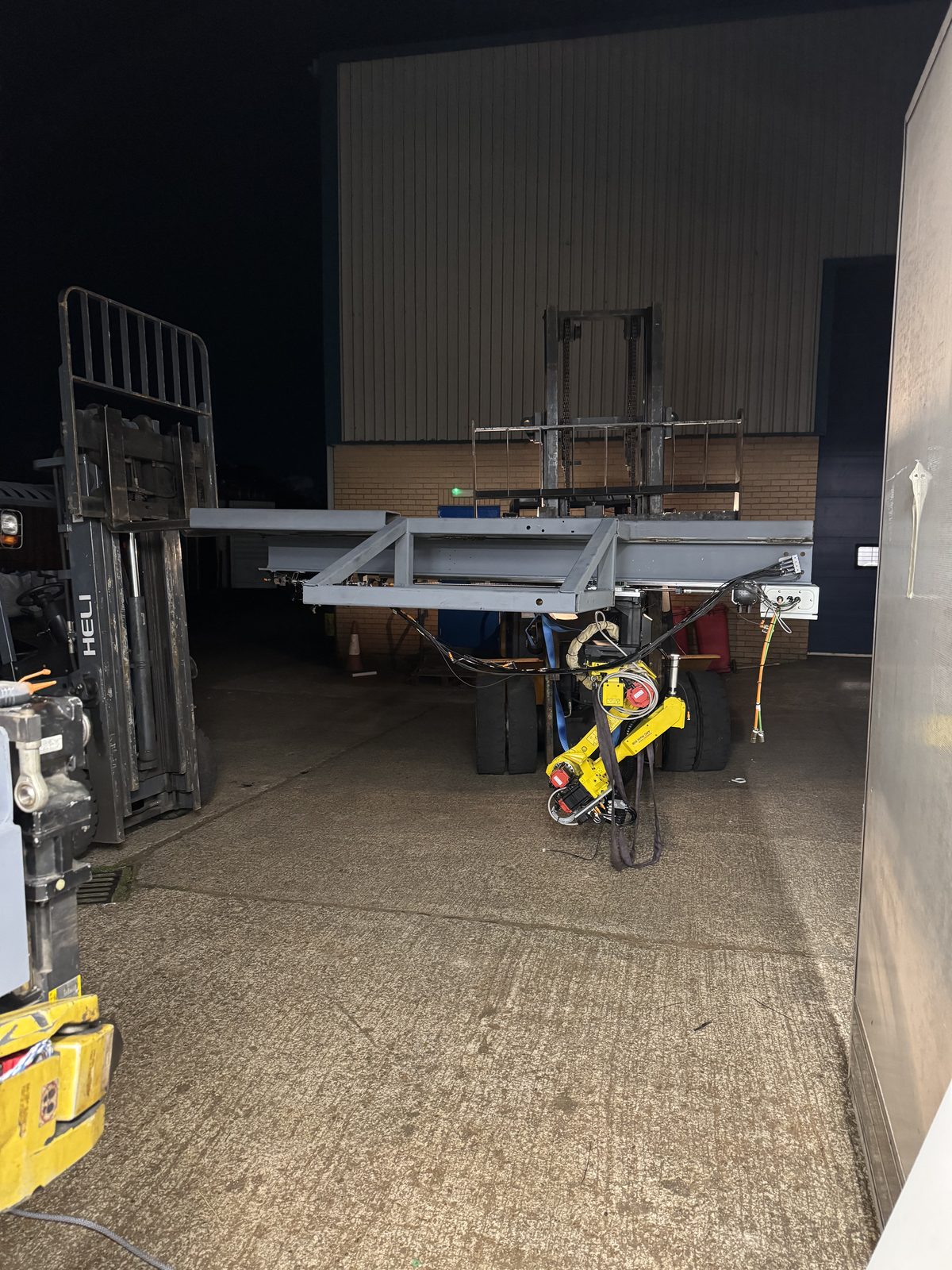
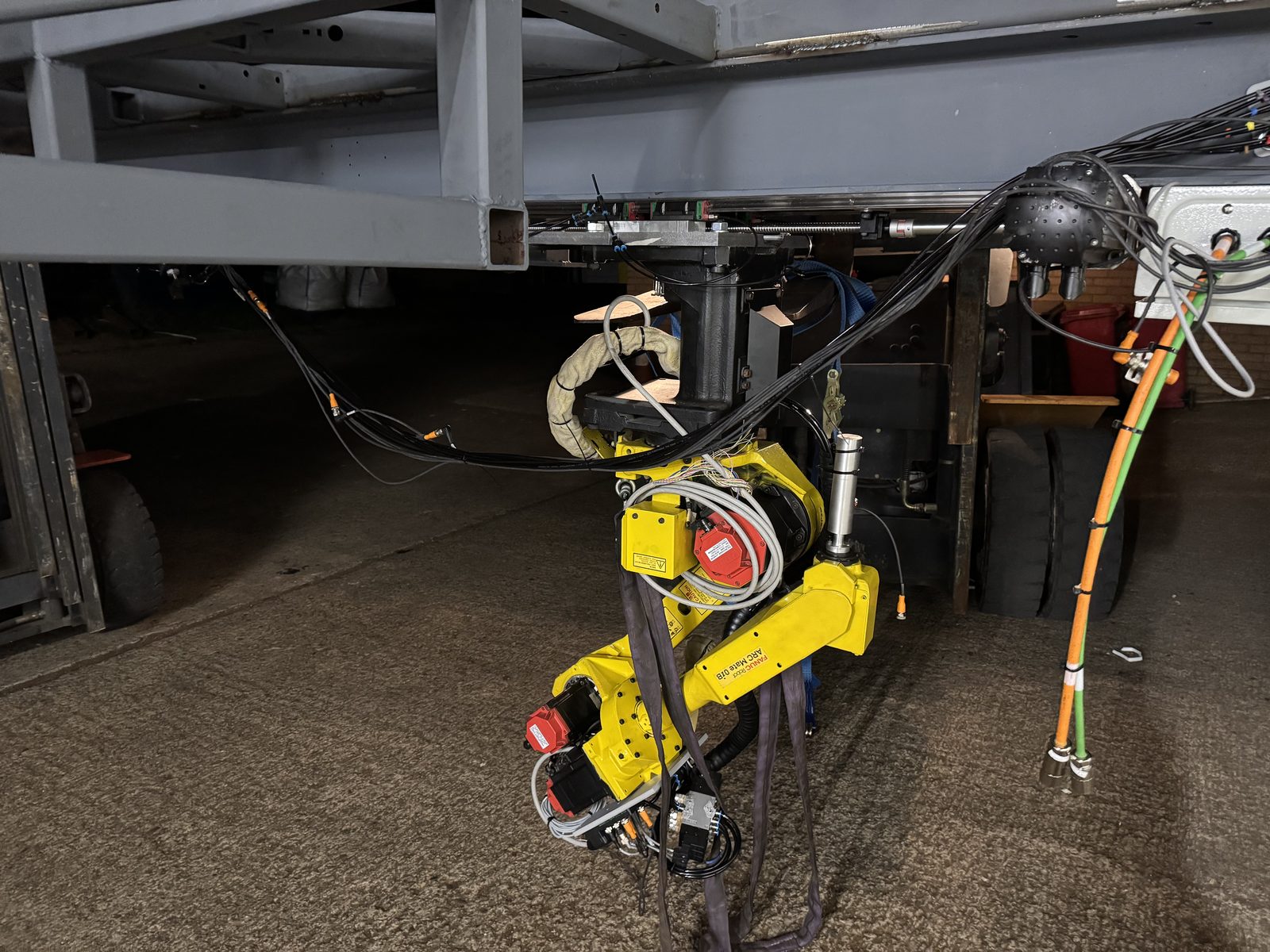
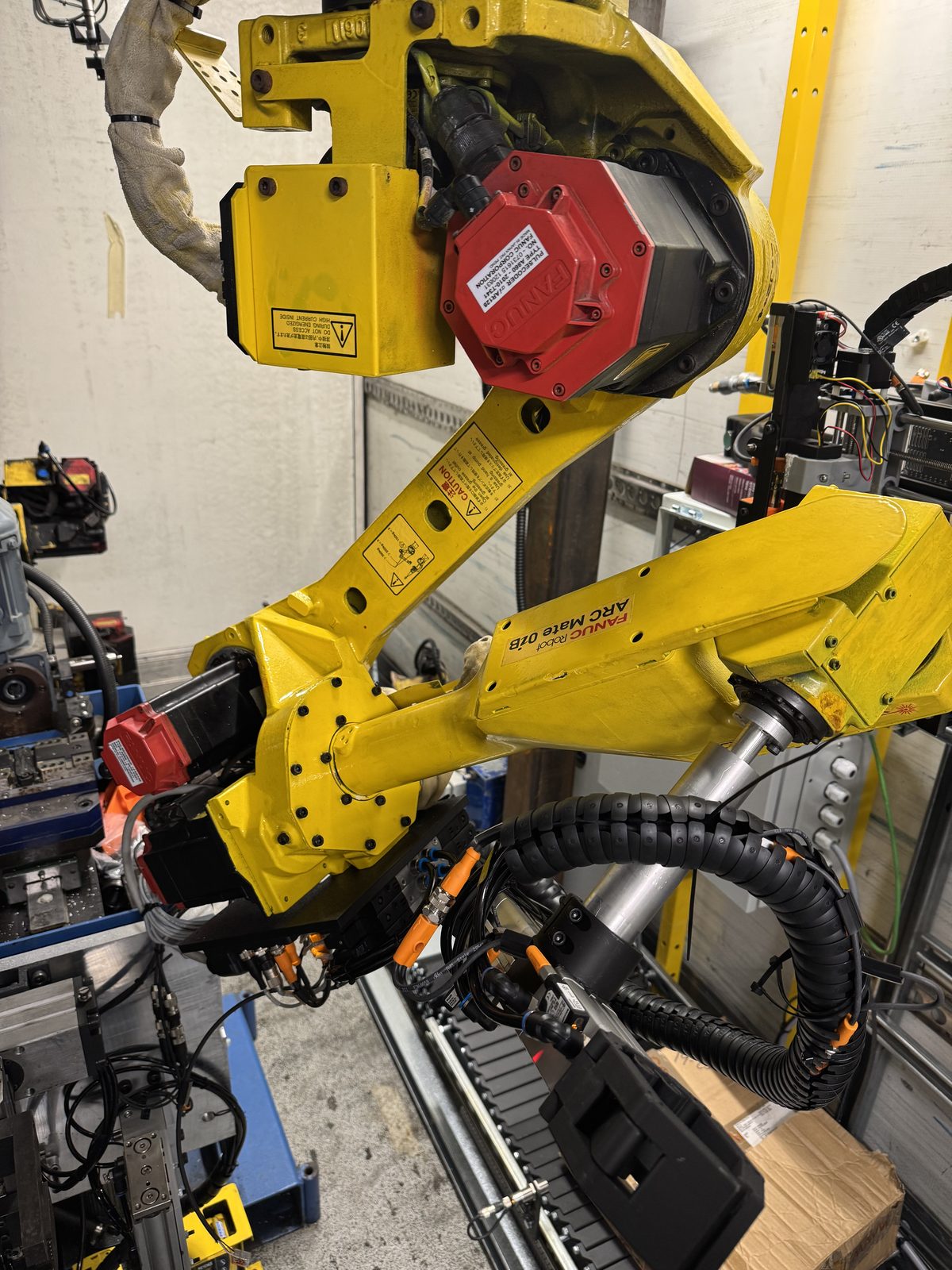
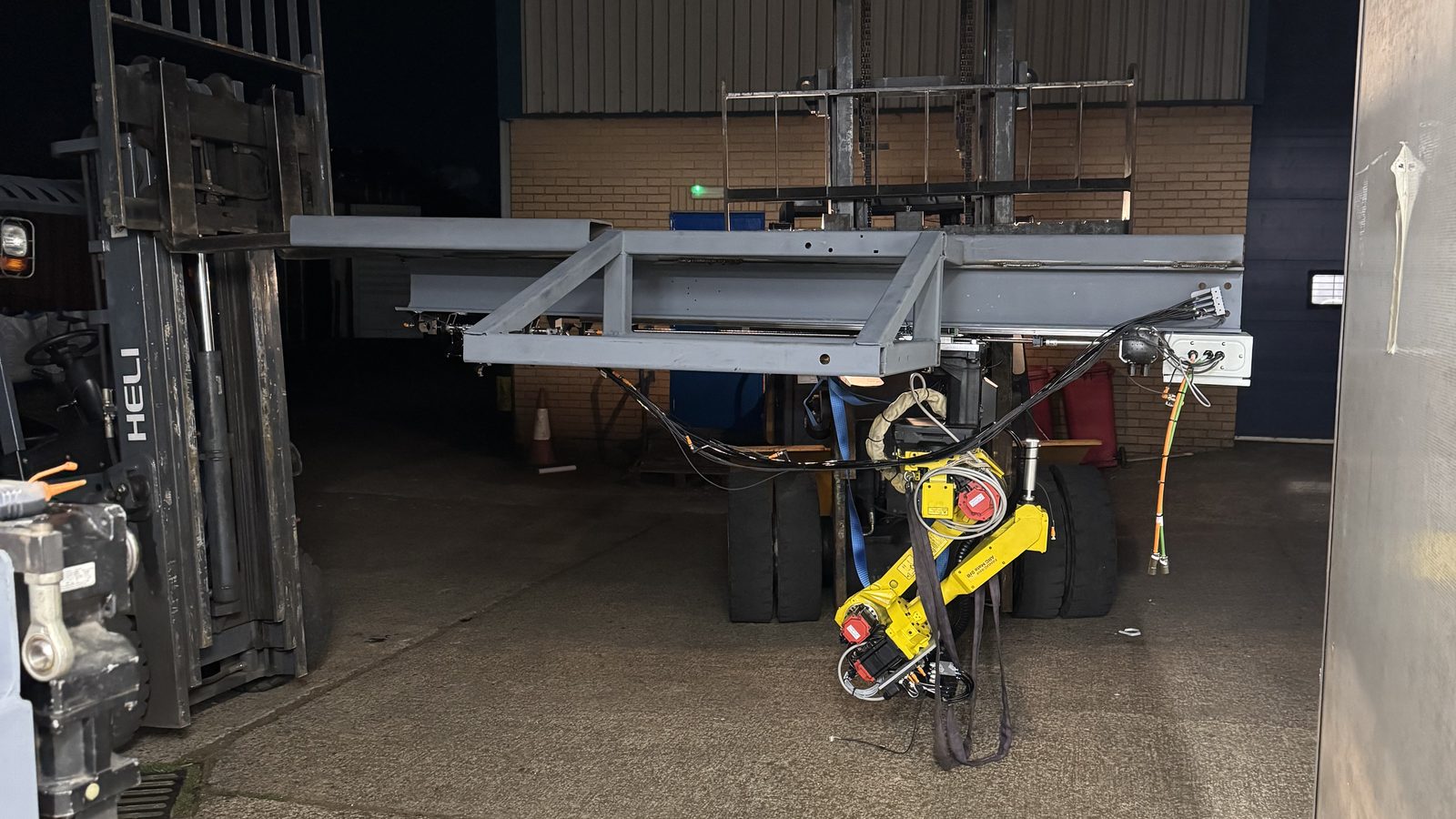
FANUC robot working with CNC machinery
Case Study • CNC automation cell • In progress

A cell built to prove the right behaviour before it matters on a live site.

This CNC-linked automation cell is being developed as a real capability platform rather than a showroom mock-up. The focus is on cell sequencing, interlocks, safe states, recoverability, practical commissioning and the handover quality needed to support a production system properly.

Status In progress and published honestly by milestones rather than after-the-fact marketing language.
Main purpose Develop a repeatable cell architecture for sequencing, recovery, safety and supportability.
Best value Proving the awkward states: partial resets, timeout paths, unexpected dropouts and restart behaviour.
Outcome target A cell that can be commissioned, fault-found and handed over without mystery states.

What this build is really for

The point is not to show a robot next to a machine. The point is to build a platform where the important behaviour can be designed, tested and documented properly before it has to survive production pressure.

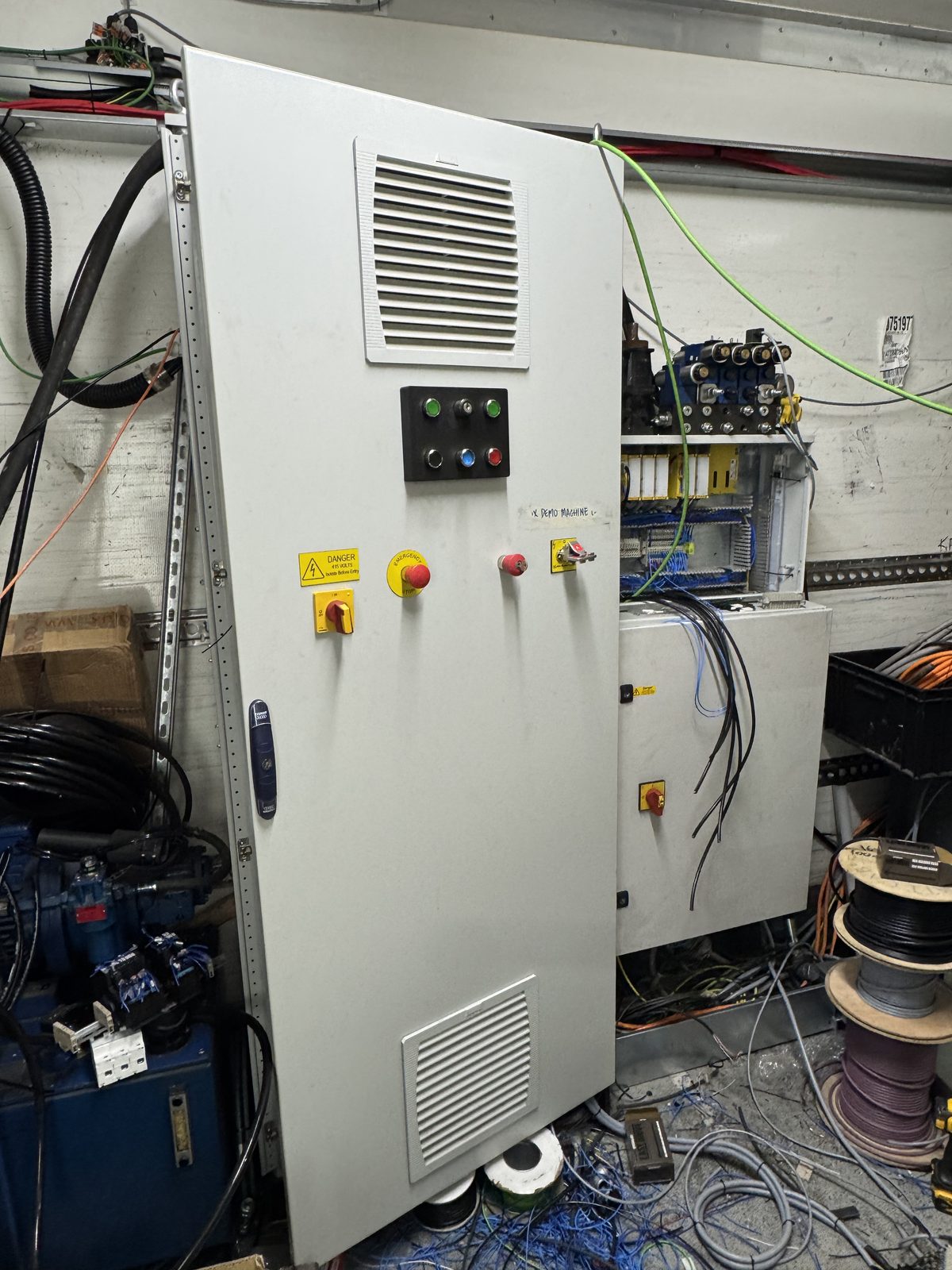
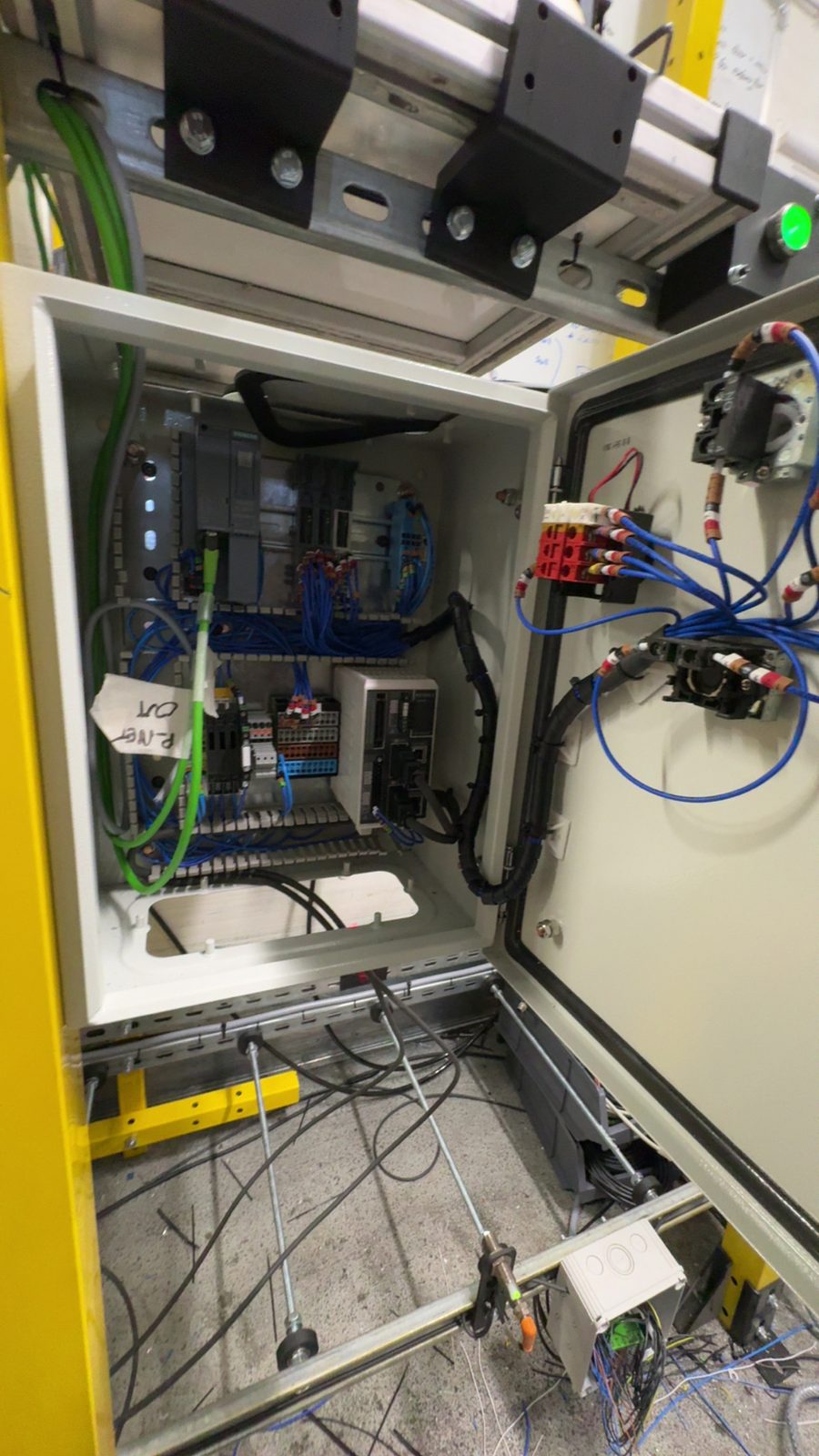
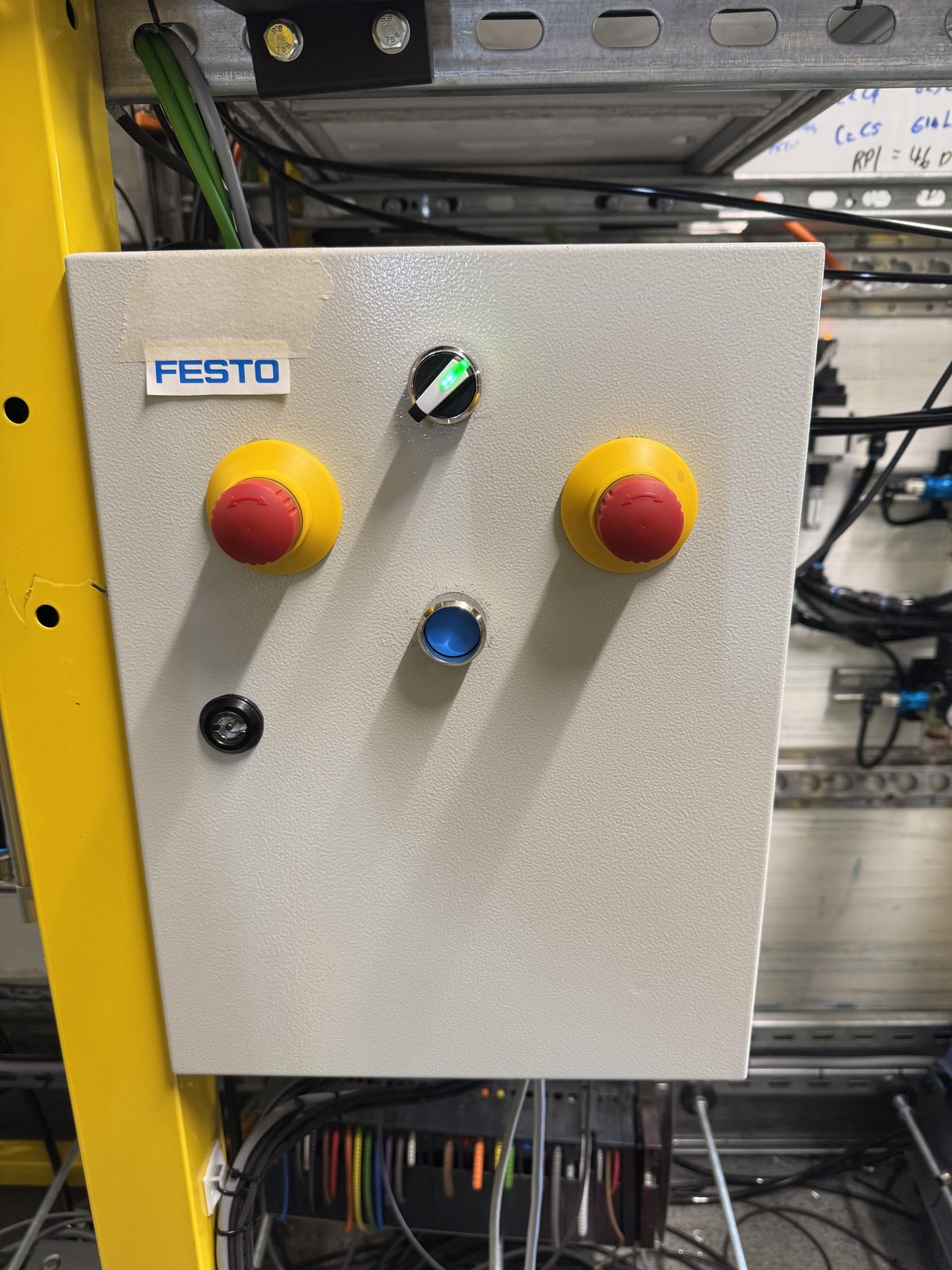
CNC cell and robot environment
Overview

A development platform for proving the behaviour that normally fails first.

This is being used to validate the details that decide whether a cell feels robust or fragile in practice: interlocks, enable chains, alarm cause-and-recovery wording, cell-to-machine handshakes, mode handling, and the consistency between hardware state and software state.

The aim is a modular approach that can scale toward real CNC-linked automation without losing clarity around fault paths, ownership of actions or handover quality.

Real interfaces
Edge-case testing
Commissioning discipline
Milestone-led build

What this becomes

A modular automation cell used to validate machine-ready sequencing, robot integration, safe operating modes, and the documentation standard needed for future support.

Why it exists

Many automation failures are not hardware failures at all. They come from ambiguous ownership, poor restart logic, weak alarms, inconsistent state handling or missing commissioning evidence. This build exists to remove those.

Capability areas covered

The cell is being used to develop the behaviours and standards that matter most on real automation work.

Cell sequencing

State-driven control from safe idle through ready, run, hold, abort and fault, with clear ownership of transitions.

Safety + enable chains

Enable and stop logic structured so unexpected conditions become visible and the cell returns to a defined safe state.

Interlocks + guarding

Door, guard, machine-ready and axis conditions designed to avoid surprises when the environment changes mid-cycle.

Commissioning workflow

Bring-up steps written to be repeatable: IO checkout, mode checks, handshake proof, alarms and recovery tests.

Alarms + diagnostics

Operator-facing alarms intended to explain the cause and next step, backed by engineering detail for fault-finding.

Handover pack

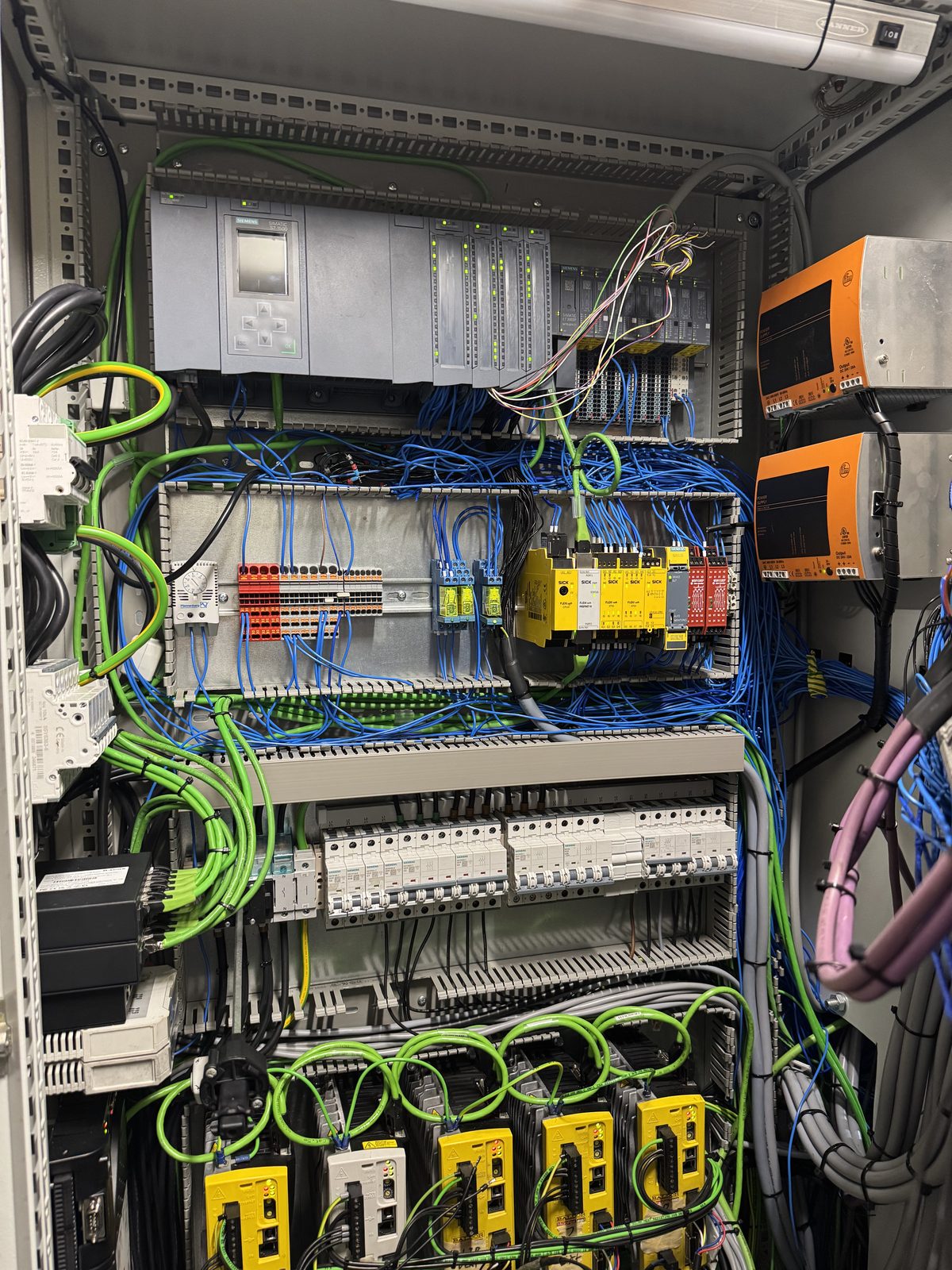
IO schedules, commissioning notes, interface notes and acceptance structure designed so another engineer can support the result.

System approach

A multi-layer cell with clear responsibility boundaries.

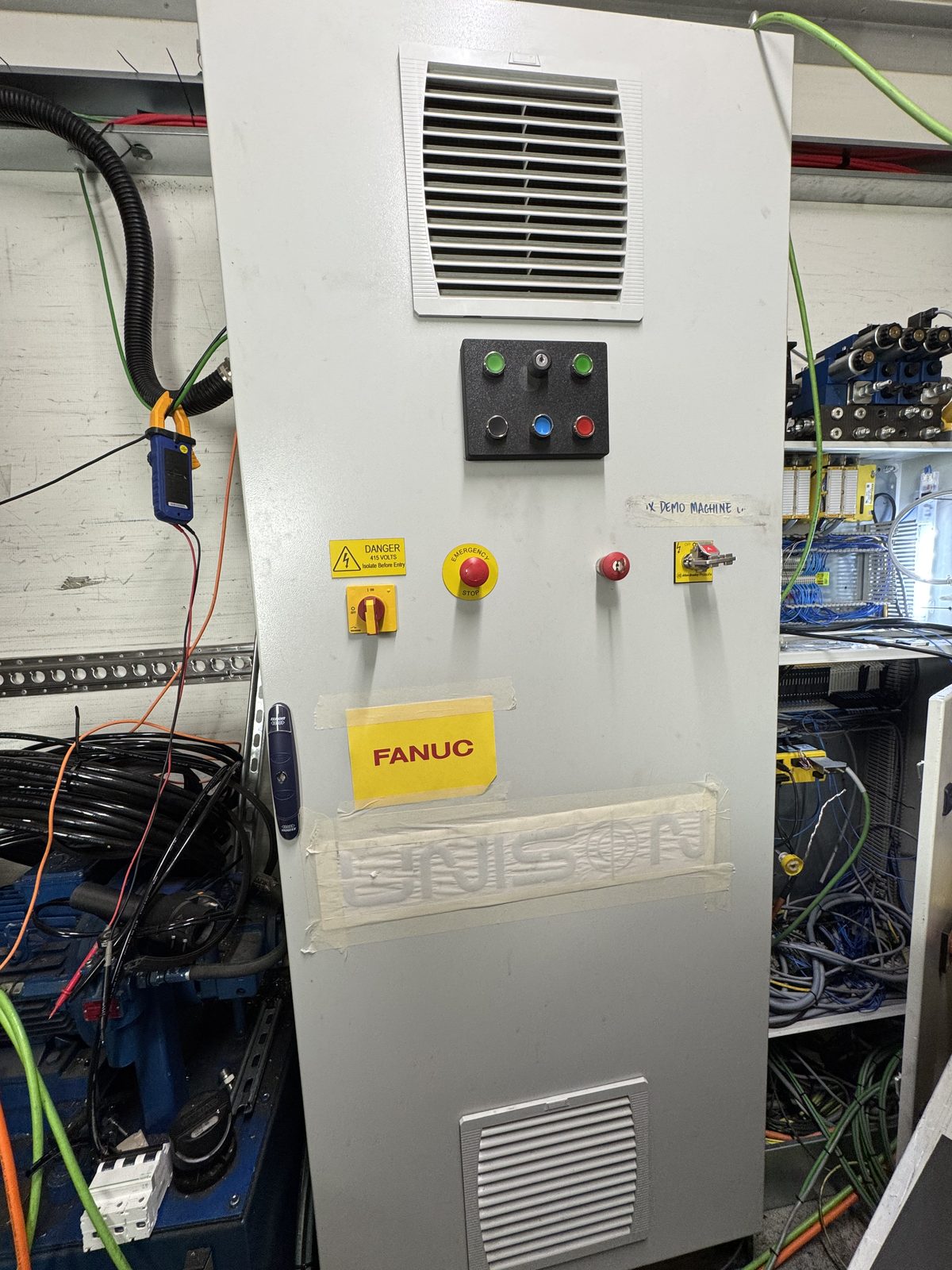
The architecture is being approached as cooperating layers rather than one mixed block of logic: overall cell controller, machine or robot execution layer, safety layer and operator layer. The exact hardware mix can evolve, but the responsibility boundaries stay clear.

That makes fault paths easier to read, interface behaviour easier to test, and long-term maintenance much easier than hiding behaviour inside undocumented side-effects.

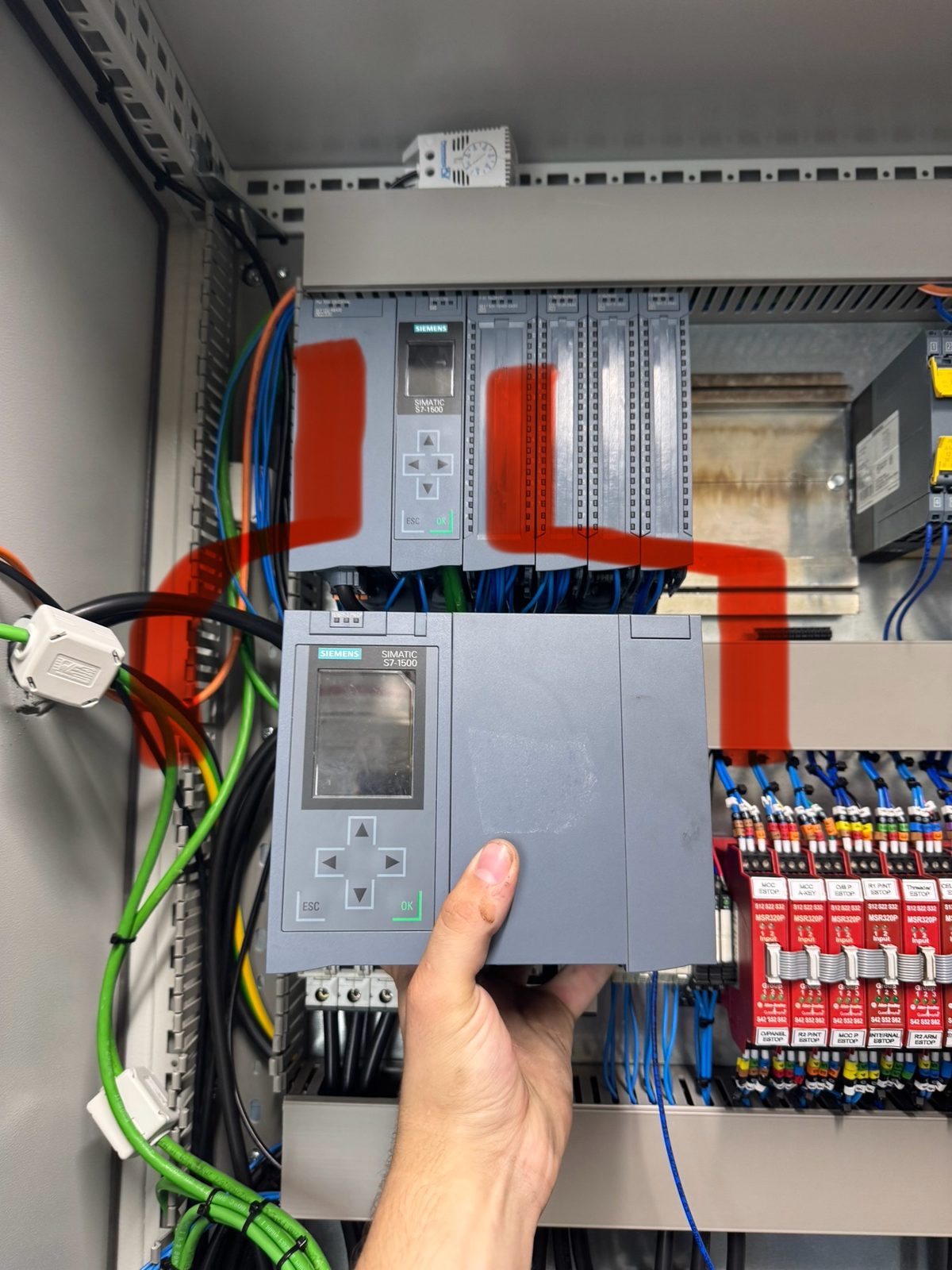
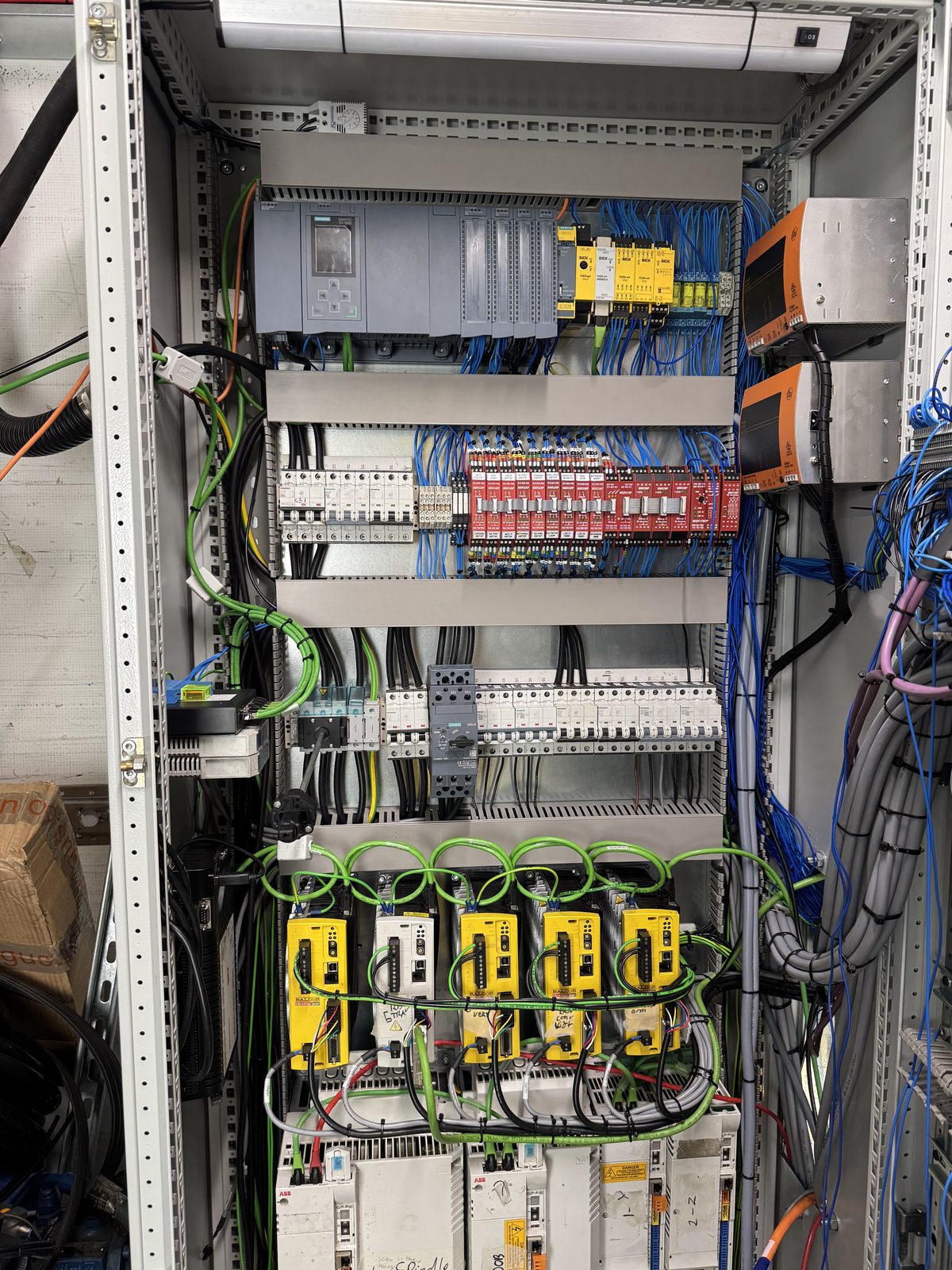
Cell simulation and layout planning

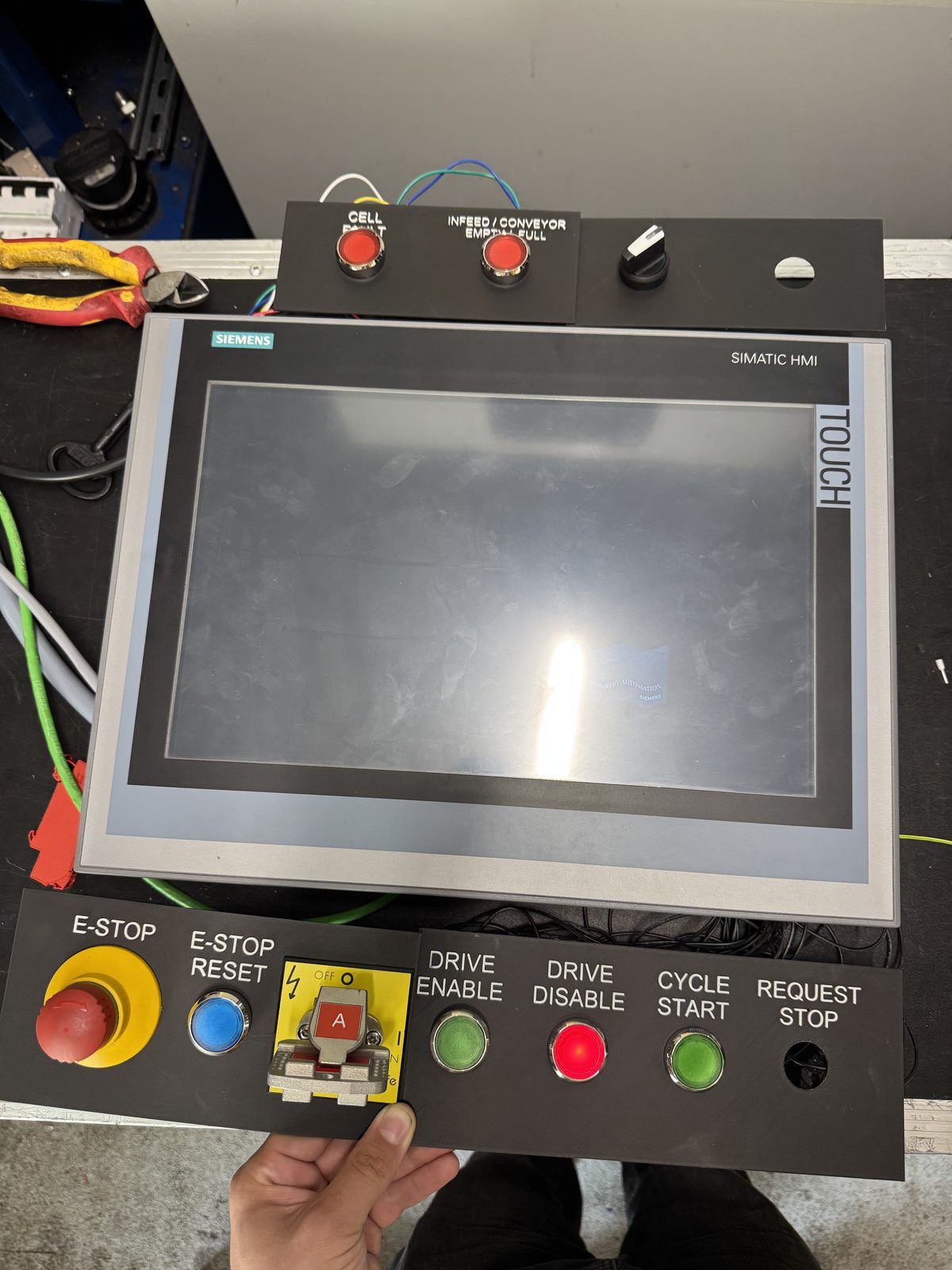
Control layers

  • Cell controller: overall states, interlocks and interface ownership
  • CNC / robot layer: execution status, local motion and acknowledgement
  • Safety layer: safe stop paths and defined enabled conditions
  • Operator layer: visibility, mode handling and recovery prompts

Interfaces and data

  • Run, hold, abort and reset with acknowledge and timeout handling
  • Ready and fault codes mapped to useful alarms
  • Trace points for key states, permissives and transitions
  • Network and naming structure intended to remain supportable later

Milestone log

Progress is framed around what has been defined, tested and proved rather than claiming completion too early.

1) Scope + constraints

Define ready, run, hold, stop and recover, including safety behaviour and awkward edge cases.

2) Electrical design

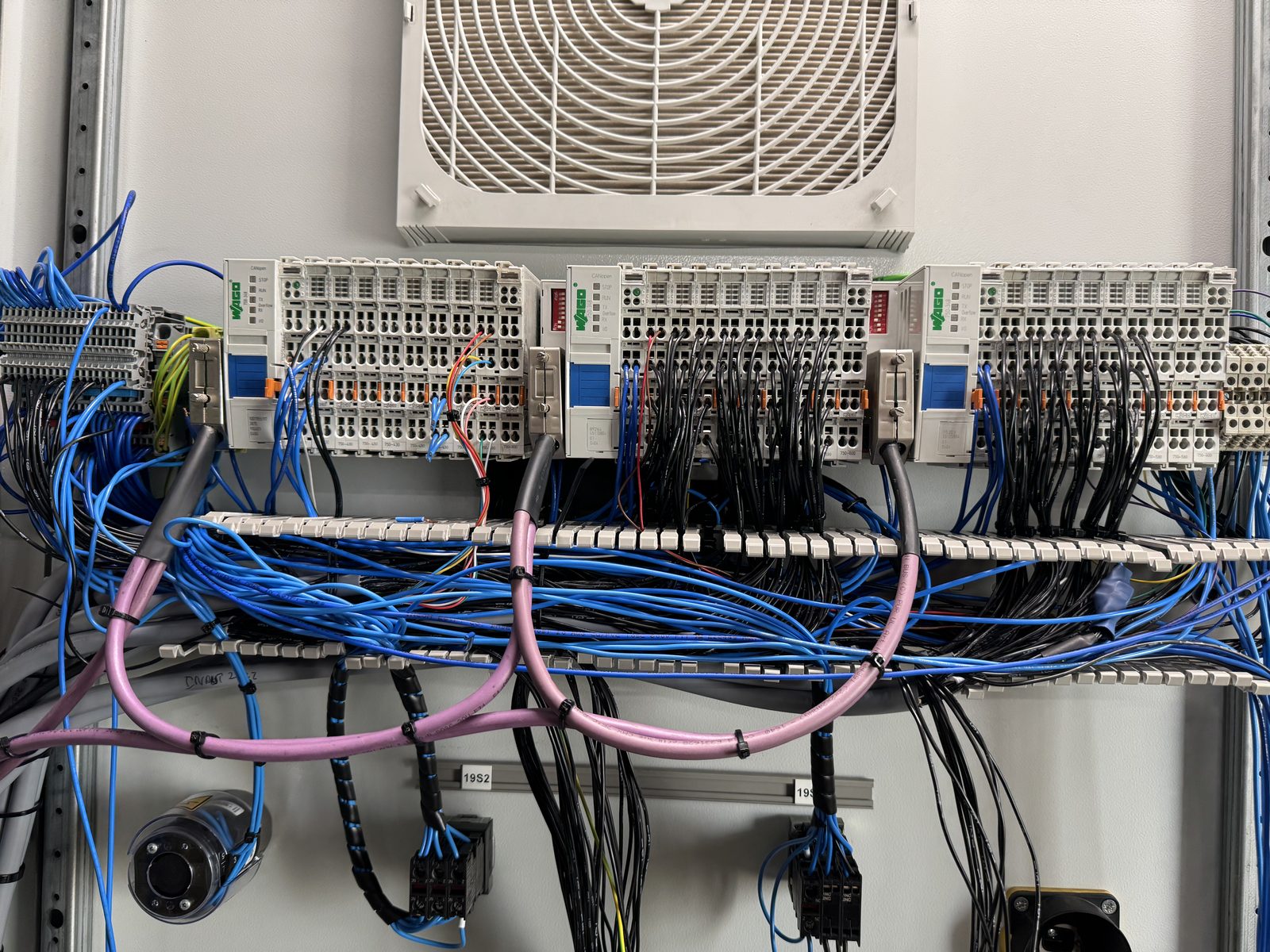
IO schedule, terminals, cable IDs, naming and wiring strategy that supports troubleshooting properly.

3) Software structure

State model, alarm structure, interface wrappers and a commissioning-safe workflow.

4) Commission + iterate

Bring-up checklist, traces, alarm-injection tests and documentation updates tied to the real build.

What gets proven

  • Predictable enable chain without intermittent behaviour
  • Safe abort with outputs dropping in a known order
  • Clear fault messages with practical recovery guidance
  • Repeatable checks that can be rerun after changes

What gets published later

  • Additional build images where they add engineering clarity
  • Safe-to-publish sequence excerpts and interface diagrams
  • Measured outcomes where the behaviour can be repeated and verified properly

Deliverables on similar work

The target is a clean handover so the cell can be run, diagnosed and maintained without hidden dependencies.

Engineering pack

  • IO schedule aligned to terminals, devices and cable IDs
  • Electrical drawings or as-built updates where required
  • Network plan and device naming
  • Spares and consumables list relevant to the actual build

Commissioning + acceptance

  • Structured bring-up checklist
  • Fault and recovery tests including timeout and dropout paths
  • Operator walkthrough and training session
  • Acceptance checklist signed against agreed scope
Enquiries

Send the machine list, target flow and the main constraints.

The most useful first brief includes CNC make and model, any existing automation interfaces, robot and tooling requirements, part flow, sensing needs, guarding expectations and what the cell has to recover from without guesswork.

CNC cell environment